Behind Every Door: How Britain Lost the Rooms Where Life's Big Moments Happened
The Democracy of Celebration
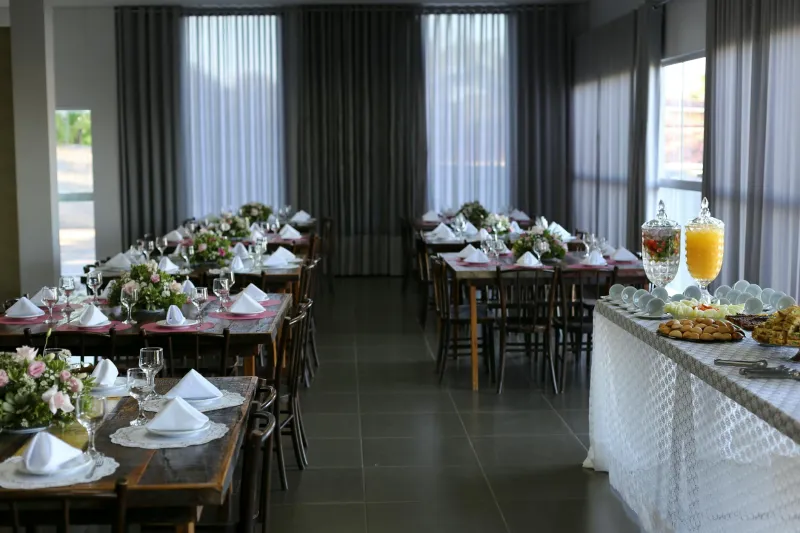
Step into the Rose & Crown on Acacia Avenue any Saturday afternoon in 1987, and you'd likely find the back room transformed. Trestle tables covered in white paper cloths, balloons tied to chair backs, and three generations of the Morrison family celebrating young Danny's eighteenth with the kind of joyous chaos that only happens when working people let their hair down somewhere they can truly call their own.
 Photo: Acacia Avenue, via www.acacia-avenue.com
 Photo: Rose & Crown, via images.squarespace-cdn.com
By evening, the same room might host the Mechanics Social Club's monthly meeting, or serve as the venue for the Morrisons' neighbours, the Patels, marking their silver wedding anniversary with a mixture of Guinness and homemade samosas that somehow worked perfectly together.
The pub's function room — sometimes grandly called the lounge, occasionally just 'the back' — was the most democratic venue Britain ever produced. Unlike village halls that required booking weeks in advance, or hotel function suites that cost a month's wages, the pub's back room was accessible, affordable, and available to anyone the landlord deemed worthy of trust with his furniture.
Today, that same room is either a storage space for beer barrels, knocked through to create more dining area, or simply locked and forgotten — a dusty monument to a time when ordinary families had somewhere to gather that didn't require a lottery win or a bank loan.
The Venue That Understood Real Life
What made the pub function room special wasn't its grandeur — most were fairly basic affairs with worn carpet, slightly mismatched chairs, and wallpaper that had seen better decades. What made it irreplaceable was its understanding of how real families actually celebrate.
Unlike the sterile perfection of modern event spaces, the pub's back room accommodated the beautiful chaos of multigenerational gatherings. Toddlers could run around without anyone worrying about damaging expensive fixtures. Teenagers could lurk in corners feeling sophisticated with their first legal pint. Elderly relatives could hold court from comfortable chairs that had welcomed hundreds of similar celebrations.
The room came with something no hired venue could provide: a landlord and staff who knew the family, understood the occasion, and took personal pride in making sure everything went smoothly. They'd quietly refill the buffet table, tactfully cut off Uncle Frank before he got too philosophical about the old days, and somehow ensure that the karaoke system worked despite being held together with gaffer tape and hope.
The Affordability of Dignity
Perhaps most importantly, the pub function room made celebration accessible to people for whom hiring a proper venue would have meant choosing between marking a milestone and paying the mortgage. The informal pricing structure — often just the cost of drinks plus a modest room fee — meant that even families on tight budgets could afford to gather their extended tribe for life's important moments.
This wasn't charity; it was community economics. The landlord knew that hosting the Johnson family's retirement do would bring in not just that evening's bar takings, but years of loyalty from everyone who attended. The function room was an investment in relationships that paid dividends in regular custom and word-of-mouth recommendation.
The room also understood the financial realities of working-class celebration. Families could bring their own food, supplement the bar with homemade cakes, and generally operate according to the informal economics that made proper celebration possible on limited budgets. Try bringing your own birthday cake to a modern event space and see how quickly you're presented with 'corkage fees' and health and safety regulations.
Where Milestones Met Memory
The pub function room was where working-class Britain marked its passage through time. Christening parties where proud parents showed off their newest addition to anyone who'd listen. Engagement celebrations that started formal and ended with someone's nan teaching the young couple how to properly waltz. Retirement dos that began with speeches about long service and concluded with promises to 'definitely stay in touch' that were actually kept.
These weren't just parties — they were the rituals that bound communities together across generations. Children who attended their grandparents' anniversary celebrations in the pub's back room grew up understanding that milestones mattered, that achievement deserved recognition, that life's passages should be marked with proper ceremony even if you couldn't afford the Ritz.
The room held memories in its very walls. Families would request 'the same table where we had Mum's seventieth' or reminisce about previous celebrations while planning new ones. The space became a repository of shared history, a place where the community's story was written one celebration at a time.
The Corporate Calculation
The death of the pub function room wasn't malicious — it was simply mathematical. Property developers and chain operators looked at these spaces and saw wasted square footage. Why dedicate a room to occasional hire when it could be converted to dining space that generated revenue every day?
The calculation made perfect sense on spreadsheets that measured profit per square metre but couldn't quantify the value of providing ordinary families with somewhere to celebrate life's victories. The function rooms were sacrificed to efficiency, victims of a business model that prioritised consistent revenue over community service.
Some rooms were knocked through to create the open-plan dining areas that gastropubs seemed to require. Others became storage space, filled with the detritus of modern pub operations — spare furniture, cleaning supplies, and boxes of promotional materials for brands that changed every few months.
The Milestone Homeless
Without the pub function room, working-class celebration has become either prohibitively expensive or impossibly domestic. Families squeeze into front rooms that can't accommodate three generations, or stretch their budgets to hire village halls that feel institutional rather than welcoming.
The lucky few with large houses can host garden parties, but most people lack the space, equipment, or confidence to organise proper celebrations at home. The result is that many milestones simply go unmarked, or are reduced to token gestures that satisfy obligation without creating genuine joy.
The pub function room understood something that modern event planning has forgotten: celebration isn't about perfection, it's about bringing people together in a space that feels both special and welcoming. The slightly worn carpet and mismatched crockery weren't flaws — they were evidence that real life had happened here, and would happen again.
The Room That Remembered
Perhaps the greatest loss is that the pub function room served as the community's memory bank. The landlord who'd hosted three generations of the same family's celebrations became a keeper of local history, able to tell stories that connected past and present in ways that no social media timeline could replicate.
These rooms witnessed the full spectrum of human experience — from joyous christenings to solemn wakes, from boisterous wedding receptions to quiet retirement gatherings. They understood that celebration and mourning often occupied the same space, sometimes even the same evening.
When we lost the pub function room, we didn't just lose a venue — we lost Britain's most democratic space for marking the moments that matter. The back room that once held our biggest celebrations has become a storage cupboard, and our milestones have nowhere left to call home.