Bones and Conversation: When Britain's Tables Knew the Gentle Click of Connection
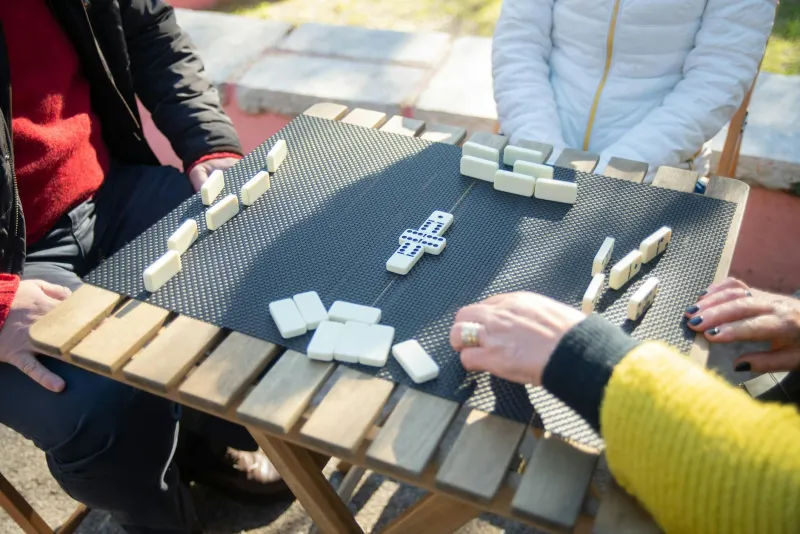
The Sound of Thinking
There was a particular music to a proper domino session — not the sharp crack of tiles being slammed down in triumph, but the thoughtful tap-tap of a player considering his options, the gentle slide of bone against wood as someone rearranged their hand. It was the sound of minds working at a pace the modern world has forgotten entirely.
Every corner local worth its salt had a dominoes table. Not tucked away in some forgotten alcove, but positioned where the afternoon light fell just right, where the regulars could keep one eye on their tiles and another on whoever was walking through the door. The brewery reps knew which pubs took their dominoes seriously — they were the ones that ordered extra bitter because a proper session could last from opening time until the evening crowd started filtering in.
The Democracy of Dots
What made dominoes beautiful wasn't the game itself, but what it demanded of its players. You couldn't rush it. You couldn't play it half-cut. You certainly couldn't play it while scrolling through your phone or checking the football scores every five minutes. Dominoes required presence — the kind of focused attention that modern life seems designed to eliminate.
The game drew men who might otherwise have nothing to say to each other. The retired postman, the shift worker on his day off, the small businessman taking a long lunch — all equals when faced with a double-six. Age didn't matter, accent didn't matter, whether you drove a Jag or caught the bus made no difference once those tiles were shuffled. The only currency that counted was patience and the ability to count to twenty-eight.
Leagues of Their Own
By the 1970s, domino leagues had spread across Britain like a benevolent virus. Breweries sponsored them, local papers reported the results, and winning teams were celebrated with the kind of civic pride usually reserved for football clubs. The Rose and Crown might thrash the King's Head on a Tuesday, setting up weeks of good-natured rivalry and guaranteed custom as supporters came to watch their local heroes defend their honour.
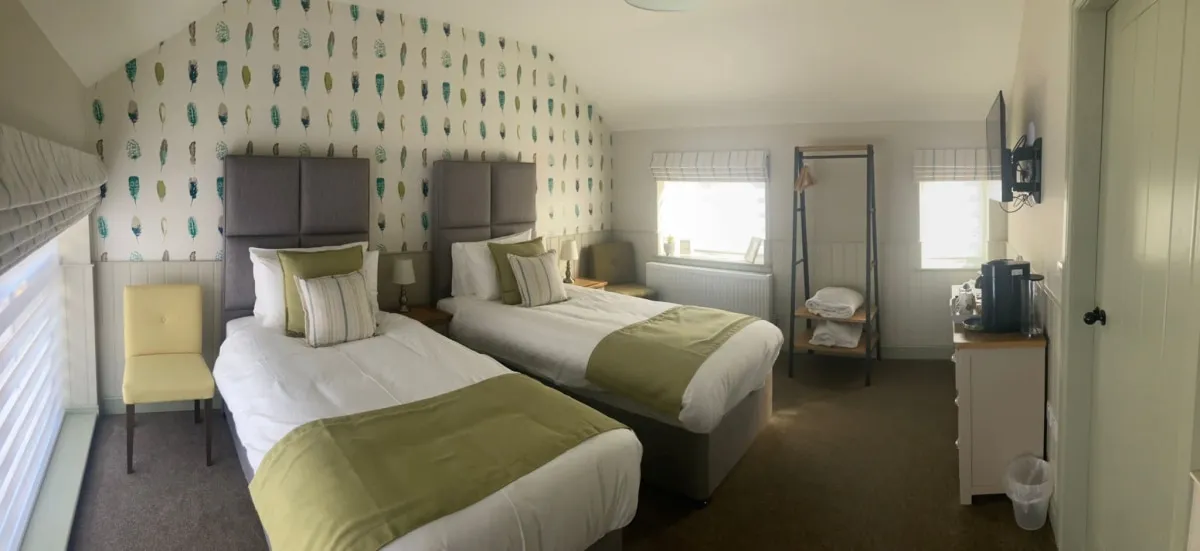 Photo: King's Head, via res.cloudinary.com
 Photo: Rose and Crown, via www.roseandcrownn16.co.uk
These weren't casual knockabouts. League domino was serious business, with proper fixtures, league tables, and annual championship nights that filled pubs to the rafters. Players developed reputations that followed them from venue to venue. Big Jim from the Railway could read a game three moves ahead. Old Harry at the Swan never forgot a tile that had been played. These men became local celebrities in a way that mattered — not because they'd appeared on television, but because they'd earned respect through skill and dedication.
The Slow Fade
You can trace the decline of pub dominoes alongside the decline of everything else that made the British local what it was. First came the quiz machines, offering instant gratification instead of the slow burn of a proper game. Then the big screens arrived, demanding attention even when they were showing nothing but Sky Sports News on repeat. The tables that once hosted epic domino battles became parking spots for handbags and mobile phones.
The leagues began to wither as pubs closed or changed hands. New landlords, often working for pub companies that measured success in throughput rather than community, saw domino players as a problem — taking up valuable table space for hours while nursing a couple of pints. The afternoon crowd that had once been the backbone of many locals was suddenly surplus to requirements.
The Deeper Loss
When the last domino league folded, something more significant than a game died. We lost one of the few remaining spaces where men could gather without having to justify their presence, where conversation could develop naturally around shared activity, where the rhythm of social interaction was dictated by the gentle pace of tiles being placed rather than the frantic ping of notifications.
The domino table was where retirement was processed, where shift patterns were discussed, where the small dramas and victories of ordinary life were shared without ceremony. It was therapy disguised as recreation, community service masquerading as a game. The men who gathered around those tables weren't necessarily friends — they were something more valuable: they were regulars, bound together by ritual and routine rather than affection.
What We Traded Away
In place of the domino table, we now have connectivity that connects us to everything except the person sitting next to us. We've gained efficiency and lost the art of wasting time productively. We've gained entertainment and lost the satisfaction of skill slowly developed. We've gained convenience and lost the irreplaceable comfort of knowing that every Tuesday at three o'clock, there would be a table waiting and opponents ready.
The bones lie silent now, gathering dust in charity shop board game sections or forgotten in pub cellars. But their absence echoes through every local that feels more like a restaurant with beer than a living room with character. When Britain's dominoes stopped falling, they took with them one of the last refuges for the kind of unhurried masculinity that built communities one careful move at a time.