The Cardboard Samaritan: When Every Pub Bar Held Someone's Last Hope
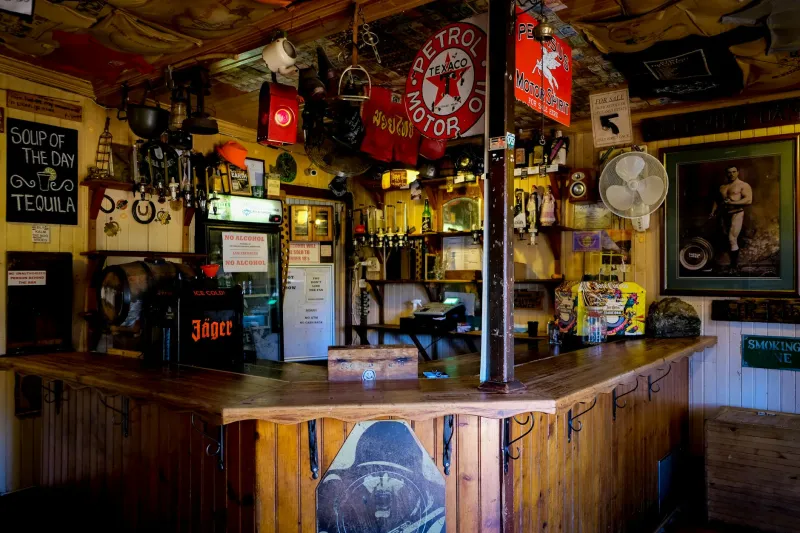
The Quiet Miracle on the Mahogany
There was no fanfare when it appeared. Just a shoebox wrapped in Christmas paper, or a plastic ice cream tub with a handwritten label sellotaped to the front: "Help little Sarah get to America for her operation." Sometimes it was for the bloke from the estate whose house had gone up in flames, or the young mum battling cancer whilst raising three kids on her own. The pub collection box wasn't charity—it was community insurance, paid out in pound coins and crumpled fivers by people who understood that next time, it might be them.
Every proper local had one. Perched between the crisps and the bar towels, these humble containers performed daily miracles that would make today's crowdfunding campaigns weep with envy. No algorithms, no social media campaigns, no viral videos—just the landlord's word that someone needed help and the unspoken understanding that you'd chip in what you could.
When Strangers Weren't Strange
The beauty of the pub collection box lay in its anonymity. You didn't need to know the family personally, or even their surname. "Young Tommy from Acacia Road" was enough. The pub had already done the vetting—if the box was there, the cause was legitimate. The landlord's reputation depended on it, and in those days, reputation was everything.
 Photo: Acacia Road, via inner-pieces.com
Regulars would drop their change in without thinking. A quid here, fifty pence there, building into hundreds over a few weeks. The magic happened on Friday and Saturday nights when the place was rammed and inhibitions were lowered. Blokes flush with overtime pay would stuff tenners through the slot, their generosity lubricated by ale and amplified by the warmth of the crowd.
It wasn't performative charity. There were no thank-you posts, no naming and shaming of tight-fisted punters. You gave what you could, when you could, and that was that. The collection happened in the peripheral vision of ordinary life—whilst ordering a pint, waiting for the darts, or settling your tab.
The Unsung Welfare State
What we've lost isn't just the money—though those collections could raise serious sums. It's the infrastructure of care that existed in every neighbourhood. The pub landlord who knew everyone's business and could spot genuine need from a mile off. The barmaid who'd quietly mention the collection to newcomers. The regular who'd make sure the box was secure and the funds properly counted.
This was grassroots socialism at its finest, operating without government oversight or charity commission registration. It was faster than any official system, more targeted than any means-tested benefit, and more human than any online platform. When the Henderson family's eldest needed a wheelchair that the council wouldn't fund, the pub sorted it in a fortnight. When old Mrs Davies couldn't afford heating that bitter winter, the collection paid her gas bill before she'd even asked for help.
The Digital Replacement That Isn't
Today's online fundraising platforms promise the same outcomes, but they've stripped away everything that made the pub collection meaningful. GoFundMe campaigns require digital literacy, social media savvy, and the stomach for public pleading. They favour the photogenic, the articulate, and those with extensive networks. The quiet desperation of working-class families doesn't translate well to Instagram stories.
More crucially, they've removed the human filter. The pub landlord who knew that the money would actually reach little Sarah, not fund her father's gambling habit. The community that could tell the difference between genuine hardship and someone chancing their arm. Online, everyone's a stranger, and every sob story competes with thousands of others.
When the Safety Net Had Holes
The pub collection system wasn't perfect. It was patchy, dependent on goodwill, and sometimes the money went to causes that might not pass today's ethical scrutiny. But it caught people who fell through every other gap. The families too proud for official charity, too poor for private healthcare, too isolated for family support. It provided dignity along with the cash—you weren't a recipient of charity, you were a neighbour in need.
As pubs close and those that remain become increasingly sterile, this informal welfare state disappears with them. The new breed of gastropub customer doesn't want their craft beer experience interrupted by cardboard reminders of life's cruelties. The chain pubs have policies against collections, liability concerns, corporate guidelines that prohibit such amateur fundraising.
The Missing Link in Modern Misery
Walk through any British town today and you'll see the consequences. Families bankrupted by medical bills that the community would once have shared. Charity shops struggling to fill gaps that pub collections once plugged effortlessly. Social media campaigns that raise awareness but not enough actual money, shared by people who mistake clicking 'like' for opening their wallets.
The pub collection box represented something we've lost and can't seem to replace: the assumption that we're all in this together, that your neighbour's crisis is your community's responsibility, and that helping shouldn't require a business plan or a social media strategy. Just a cardboard box, a handwritten sign, and the understanding that kindness, like a good pint, is best served without ceremony.
In losing our locals, we didn't just lose somewhere to drink. We lost the infrastructure of mutual aid that made ordinary people extraordinary when it mattered most.