Closed on Mondays: The Slow Retreat of the Pub Week and What It Stole From Us
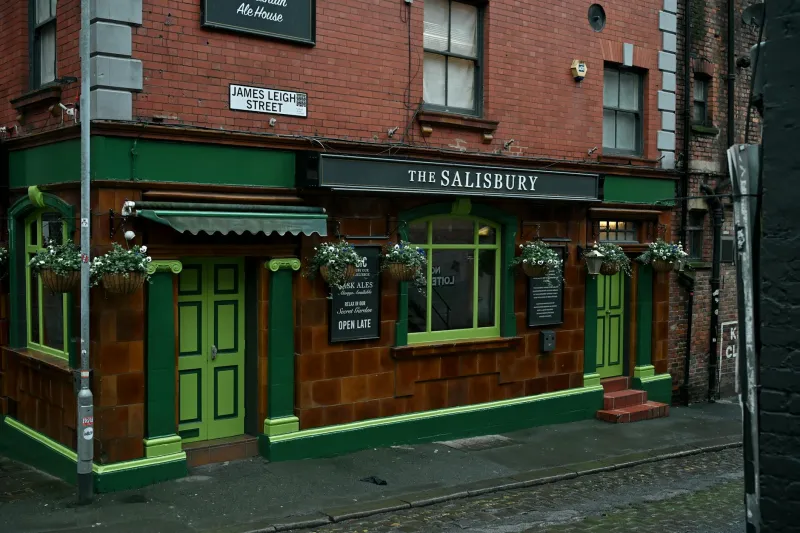
There's a handwritten sign on the door of my local that I never expected to see: "Sorry – Closed Mondays." Below it, in smaller print: "Kitchen closes 8pm Tues-Thurs." And at the bottom, almost apologetically: "Sunday – 12-6pm only."
When did the British pub – once as reliable as the postman and twice as welcome – become a part-time affair?
This isn't just about one struggling boozer in a forgotten corner of Britain. It's happening everywhere, this slow retreat from the seven-day commitment that once made pubs the fixed stars around which British life orbited. And in that retreat, we've lost something far more significant than convenient opening hours – we've lost the very predictability that made pub-going a habit rather than an event.
The Rhythm of Reliability
For most of British history, your local was open when you needed it. Monday's post-weekend decompression pint. Tuesday's quiz night. Wednesday's midweek morale boost. The Thursday session that accidentally became Friday morning's regret. Weekend celebrations that spilled into Sunday's gentle comedown.
This wasn't just commerce – it was social infrastructure. The pub operated on the same principle as the corner shop or the parish church: it was there when you needed it, creating the kind of reliability that allowed habits to form and communities to coalesce around shared rhythms.
A pub that was "always open" (within licensing hours, naturally) became woven into the fabric of local life in a way that a pub with erratic hours never could. It wasn't just that you could go on a Wednesday night – it was that you knew you could go on a Wednesday night, which made Wednesday night pub visits feel normal rather than special.
The Great Withdrawal
The retreat began quietly, almost apologetically. First, it was Sunday evenings – "Not enough trade to justify staying open." Then Monday became "staff day off." Tuesday lunch service disappeared because "nobody comes in anyway." The kitchen started closing earlier because "we're not really a restaurant."
Each individual decision made perfect business sense. Why pay staff to serve three customers on a Monday night? Why heat a kitchen when you're only selling crisps after 8pm? Why stay open seven days when five-and-a-half generate 90% of your revenue?
But collectively, these rational decisions created an irrational outcome: the pub began to feel less like a permanent fixture and more like a pop-up shop that happened to sell beer.
The Habit-Forming Machine
What pub owners didn't realise was that their seven-day presence was the foundation of everything else they offered. Habits don't form around irregular opportunities – they form around reliable ones. The person who might pop in for a quick pint on Monday evening was the same person who'd bring friends on Friday night. The Tuesday regular was tomorrow's Saturday party booker.
By retreating from the quiet days, pubs inadvertently abandoned the very mechanism that created their busy days. You can't build a community around a venue that's only sometimes there.
Consider the psychological difference between "Let's go to the pub" and "Let's see if the pub's open." The first is a decision; the second is a gamble. And people don't build habits around gambles.
The Generation That Never Learned
Perhaps most tragically, an entire generation has grown up never experiencing pub-going as a default social option. When young adults today suggest meeting up, they scroll through apps to find bars with confirmed opening times and availability. The idea of just "heading to the local" seems quaint, even risky.
These aren't people who stopped going to pubs – they're people who never started, because pubs stopped being reliably there when they were forming their social habits. Why develop a relationship with a venue that might be closed when you need it?
The pub's retreat from the full week coincided perfectly with this generation's formative social years. While their parents learned that pubs were always-available social infrastructure, they learned that pubs were sometimes-available entertainment venues – and entertainment venues have to compete with Netflix, gaming, and staying in.
The Domino Effect
As pubs reduced their hours, other aspects of their offering suffered. The Monday regular who used to chat with newcomers wasn't there to perform that crucial social bridging function. The weeknight atmosphere that made strangers feel comfortable striking up conversations disappeared. The pub began to feel more like a restaurant – somewhere you went with people you already knew, rather than somewhere you went to meet people you didn't.
The kitchen closing at 8pm sent its own message: this isn't a place for long evenings anymore. This is a place for early dinners and quick drinks, not for the kind of extended sessions that turned acquaintances into friends and friends into family.
The Economics of Absence
Pub accountants focused on the immediate costs of staying open – staff wages, heating bills, licensing fees. What they couldn't easily quantify was the opportunity cost of closing – the habits that never formed, the communities that never coalesced, the loyalty that never developed.
A pub that's closed on Monday isn't just losing Monday's revenue – it's losing the Monday customers who might have become Tuesday customers, who might have booked Wednesday functions, who might have brought their visiting relatives on Saturday.
The full-week pub was an investment in social capital that paid dividends across all seven days. The part-time pub became a cost centre that had to justify each individual opening hour.
What Predictability Meant
The always-open pub served a function that went far beyond serving drinks. It was a social safety net, a place you could go when you needed company, conversation, or simply to be around other humans. It was the venue for impromptu celebrations and the refuge for unexpected sorrows.
Most importantly, it was predictable in a way that made it genuinely public. Like a library or a park, it was social infrastructure that you could rely on being there when you needed it, rather than entertainment that you had to plan around.
The Part-Time Pub Economy
Today's surviving pubs have largely retreated into weekend-focused businesses, optimising for hen parties and football crowds rather than the daily rhythm of local life. They've become event venues rather than community spaces, places you visit rather than places you belong.
This might be economically rational, but it's socially catastrophic. A pub that's only fully alive on Friday and Saturday nights isn't really a pub at all – it's a bar that happens to occupy a pub building.
The Monday Test
Perhaps the truest measure of a pub's community value isn't how busy it is on Saturday night, but whether it bothers opening on Monday evening. The Monday pub-goer – nursing a pint while reading the paper, chatting to the landlord about the weather, providing the kind of steady, unspectacular custom that keeps the lights on – represents everything the modern pub industry has abandoned in its pursuit of efficiency.
We closed on Mondays and wondered why nobody formed the habit of going to the pub anymore. We shortened our weeks and shortened our reach into people's lives. We became part-time and wondered why our communities became part-time too.
The pub that's always there becomes part of your life. The pub that's sometimes there remains forever external to it. In our retreat from the full week, we retreated from full relevance – and an entire generation never noticed we'd gone.