The Crisp Revolution That Nobody Asked For: How Bar Snacks Stopped Being Simple and Started Being Sad
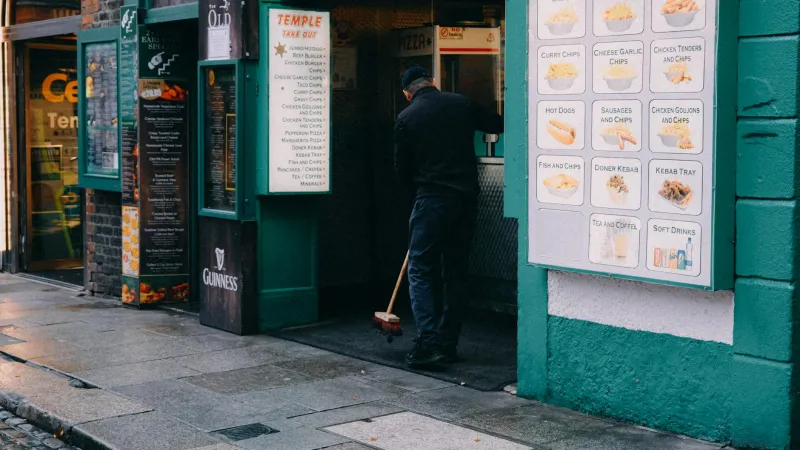
The Golden Age of the Cardboard Display
There was something beautifully honest about the old pub snack selection. A rotating cardboard tower by the till, maybe a bit wonky from years of service, displaying the sacred trinity: Ready Salted, Cheese & Onion, and if you were lucky, Salt & Vinegar. Behind the bar, a jar of pickled eggs that had been there since the Thatcher years, and a tray of pork scratchings that looked like they could survive a nuclear winter.
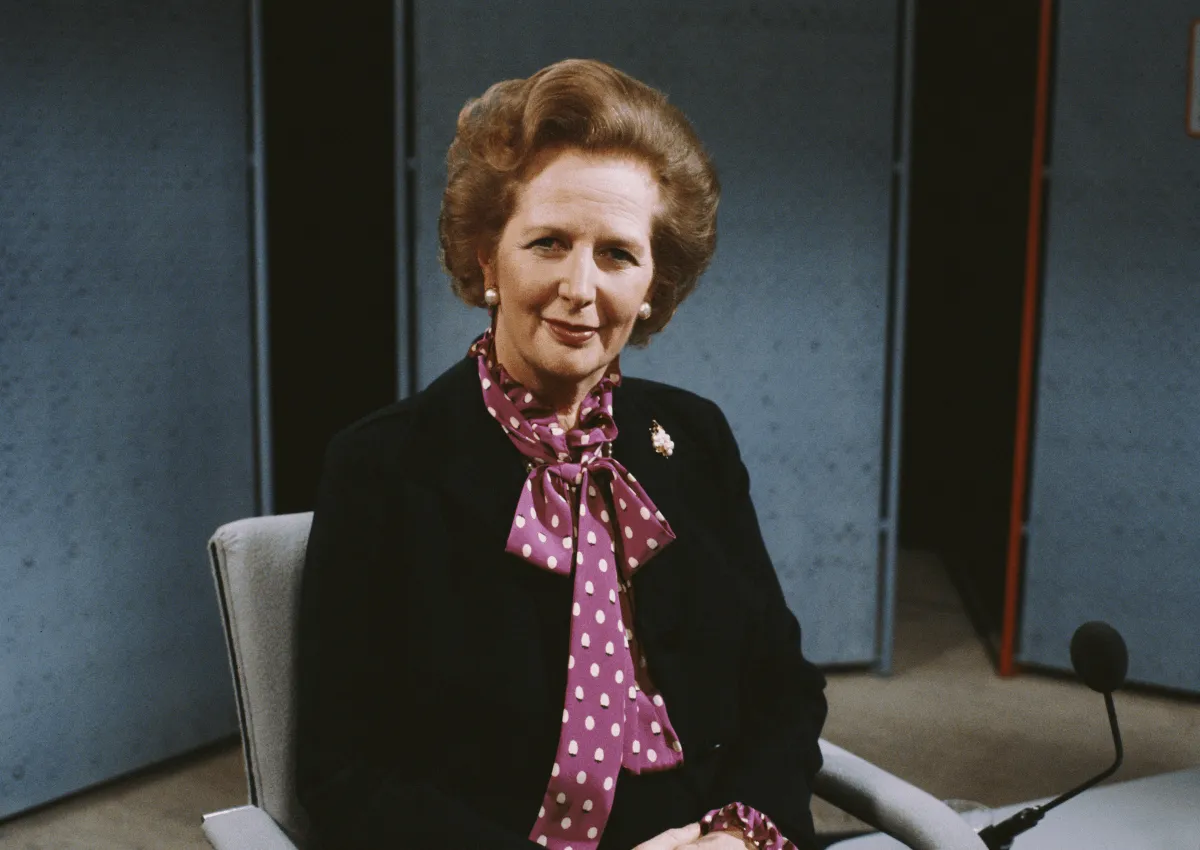 Photo: Thatcher years, via www.thoughtco.com
Nobody pretended these were gourmet experiences. They were fuel for conversation, something to keep your hands busy while you solved the world's problems over a pint. The pork scratchings came in a paper bag that would inevitably split, scattering fragments across the sticky table. The pickled eggs were an acquired taste that separated the wheat from the chaff. And the crisps? Well, they did exactly what they said on the packet.
When Sharing Boards Invaded the Boozer
Somewhere along the way, the British pub decided it wasn't good enough to serve simple snacks to simple people. The cardboard displays vanished, replaced by laminated menus featuring "artisan sharing boards" and "heritage pork scratchings with apple compote." Suddenly, a bag of nuts became "mixed Mediterranean kernels with sea salt crystals."
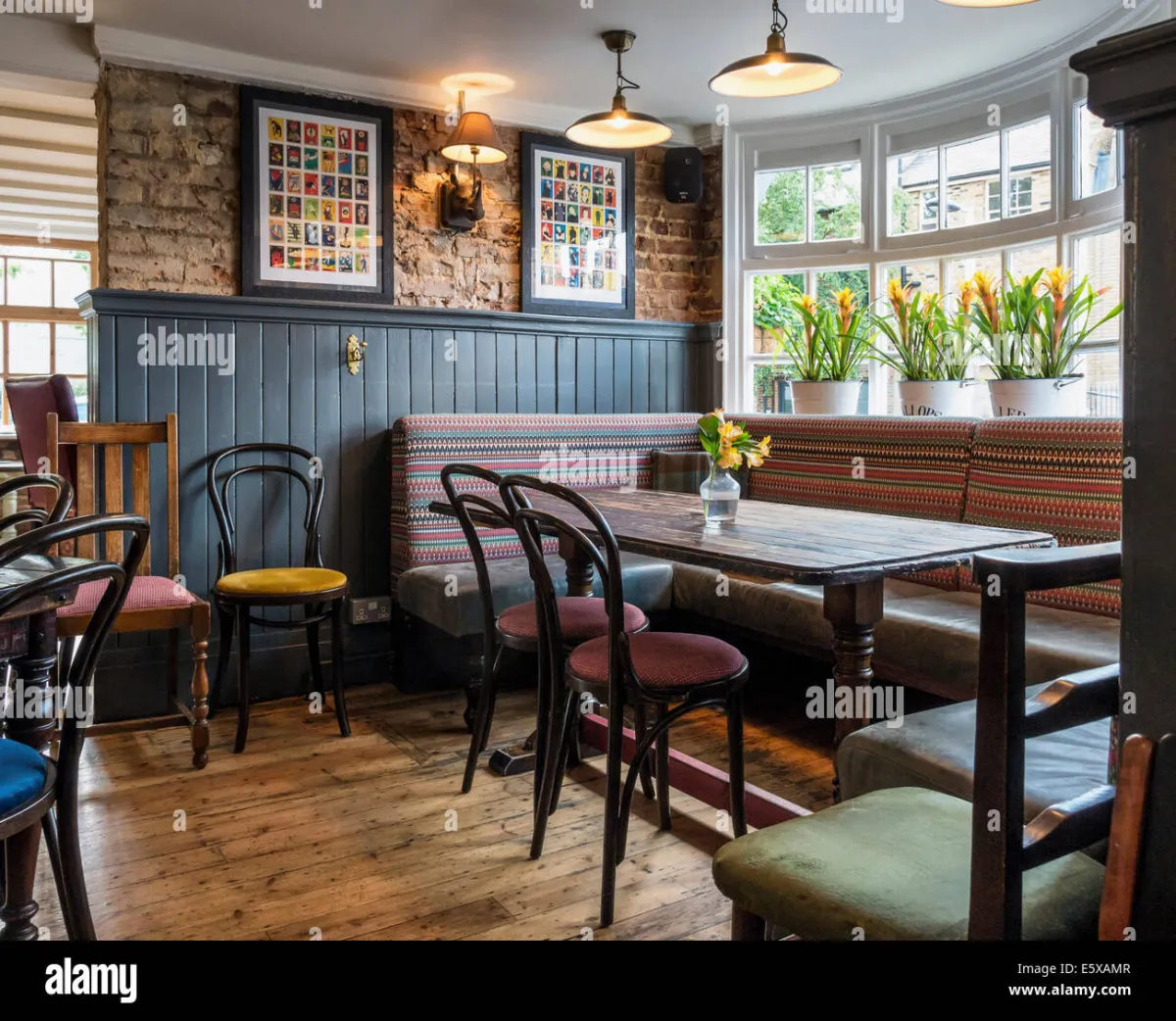 Photo: British pub, via c8.alamy.com
The transformation didn't happen overnight. It crept in gradually, like gentrification in a housing estate. First came the olives – always the olives – sitting in little ceramic bowls that cost more to wash than the old foil ashtrays cost to replace. Then the sharing boards arrived: wooden planks laden with enough cheese to feed a small village, accompanied by chutneys nobody could pronounce and crackers that crumbled at the first touch.
The Death of the Midnight Feast
What these well-meaning publicans missed was the essential function of pub snacks. They weren't meant to be meals or experiences or Instagram moments. They were the supporting cast in the great drama of British drinking culture. When you'd been in the pub since six and suddenly realised you were starving, you didn't want a deconstructed ploughman's lunch. You wanted something salty, immediate, and utterly unpretentious.
The old snacks understood their place in the ecosystem. Scampi Fries weren't trying to be sophisticated – they were trying to taste vaguely of seafood while providing enough salt to keep you drinking. Cheese & Onion crisps didn't need to be made from heritage potatoes hand-harvested by monks. They needed to be there when you needed them, reliable as the tide.
The Price of Progress
Walk into a modern pub today and try to find a simple bag of crisps. You'll be offered "hand-cooked potato crisps with Himalayan rock salt" at three times the price, served in a basket lined with greaseproof paper. The pickled eggs have been replaced by "heritage breed quail eggs in artisan pickle," and the pork scratchings now come with a backstory about the pig's childhood and a sauce made from foraged berries.
It's not that these new offerings are necessarily bad – though many are – it's that they've missed the point entirely. Pub snacks were never about the food. They were about the ritual, the simplicity, the shared understanding that sometimes you just need something to crunch on while you're putting the world to rights.
The Lost Art of Low Expectations
The old pub snacks succeeded because they set the bar refreshingly low and then cleared it with room to spare. Nobody expected pork scratchings to change their life, which made the simple pleasure of salt and fat all the more satisfying. There was something democratic about a bag of Ready Salted – it didn't matter if you were a dustman or a doctor, everyone got the same experience for the same modest price.
This wasn't about lowering standards; it was about understanding what standards actually mattered. In a world where everything else was getting complicated – jobs, relationships, technology – the pub remained a sanctuary of simple pleasures. You could walk in with a quid in your pocket and walk out with something that tasted good and made you feel better about the world.
The Snack That Broke Britain's Back
The transformation of pub snacks mirrors something larger happening to British culture. We've become suspicious of simplicity, convinced that everything needs to be elevated, artisanal, or somehow improved. We've lost faith in the idea that sometimes good enough is actually perfect.
The old pub snacks weren't trying to be anything other than what they were. In a culture increasingly obsessed with authenticity, they were the most authentic thing in the room – unapologetically basic, honestly priced, and utterly without pretension. They knew their job was to complement the pint, not compete with it.
What We Lost When We Gained Options
Today's pub-goers face paralysis by choice. Do you want the sourdough crisps or the beetroot ones? Should you go for the sharing board for two or the smaller selection for one? What exactly is the difference between heritage and artisan, and why does it matter when all you wanted was something salty?
The old system was beautifully simple. You looked at the cardboard display, picked something that caught your eye, and got on with your evening. The snacks were background players in the real drama – the conversation, the connection, the sense of belonging that came from being in your local with people who understood that sometimes a pickled egg was exactly what the moment required.
The crisp revolution promised us better snacks, but what it delivered was the death of the unpretentious pleasure. And in losing that, we lost a little bit more of what made the British pub the greatest living room the world has ever known.