The Darts Board Gathers Dust: How Pub Games Died and Took Their Tribes With Them
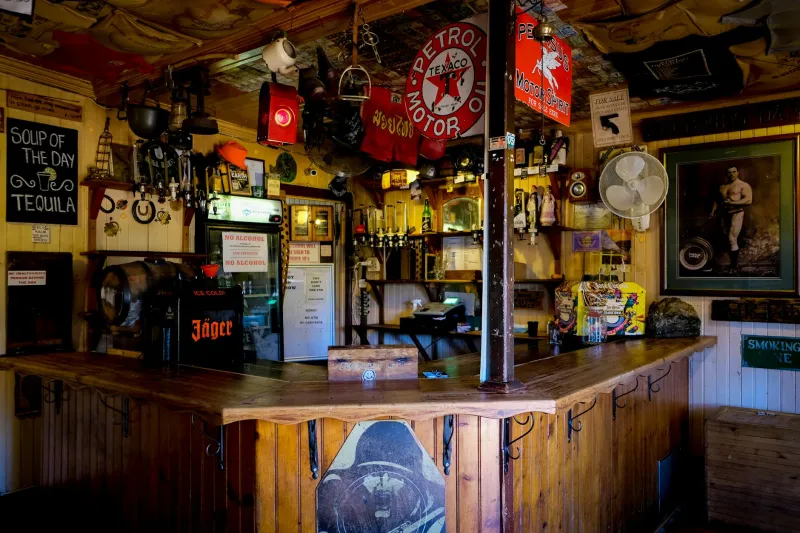
The Empty Corner Where Community Used To Live
There's a dartboard in my local. It hangs on the wall like a forgotten relic, its sisal surface faded and pockmarked, the numbers barely visible through years of neglect. The oche — that sacred throwing line — has been painted over so many times you'd need an archaeologist to find it. Nobody's thrown a tungsten at that board in months, maybe years.
It wasn't always this way. Time was, that dartboard was the beating heart of the pub, the focal point around which entire communities revolved. Tuesday night was darts league. Thursday was practice. Sunday afternoon was the grudge match between the brewery workers and the postmen. The board never rested, and neither did the conversations that swirled around it.
More Than Just Games
Pub games were never really about the games themselves. Strip away the dominoes, the cribbage boards, the bar billiards table, and what you had was something far more precious: a reason to belong. These weren't just ways to pass time between pints — they were elaborate social rituals that transformed strangers into teammates, rivals into mates, and empty evenings into invested hours.
The darts team at the King's Head wasn't just five blokes who could hit treble twenty. They were ambassadors for their pub, warriors defending its honour against the upstarts from the Red Lion down the road. When they played away, half the pub would follow, creating a travelling circus of banter and belonging that spilled across the neighbourhood like benevolent gossip.
The Unspoken Rules of Engagement
Every pub game came with its own unwritten constitution. In darts, you bought the winner a drink. In dominoes, you kept score in your head and arguments were settled by the oldest player at the table. Bar billiards had its own arcane scoring system that only the regulars truly understood, creating an inner circle of knowledge that newcomers had to earn their way into.
These weren't barriers to entry — they were invitations to invest. Learning the rules meant learning the culture. Mastering the game meant mastering the social dynamics. A decent throw or a clever play wasn't just skill; it was currency in the pub's emotional economy.
The Death of Routine
What killed pub games wasn't technology or changing tastes — it was the death of routine itself. The modern world abhors commitment, especially the kind that requires you to turn up every Tuesday at half-seven, rain or shine, whether you feel like it or not. We've traded the obligation of belonging for the freedom of flaking out, and called it progress.
The darts league demanded something we're increasingly uncomfortable with: showing up. Not just physically, but emotionally. When the Dog and Duck were one man down for their crucial match against the Railway Tavern, someone had to step up. When old Ted couldn't make it to dominoes night, someone had to sit in his chair and keep the game alive. These small acts of reliability built trust, and trust built community.
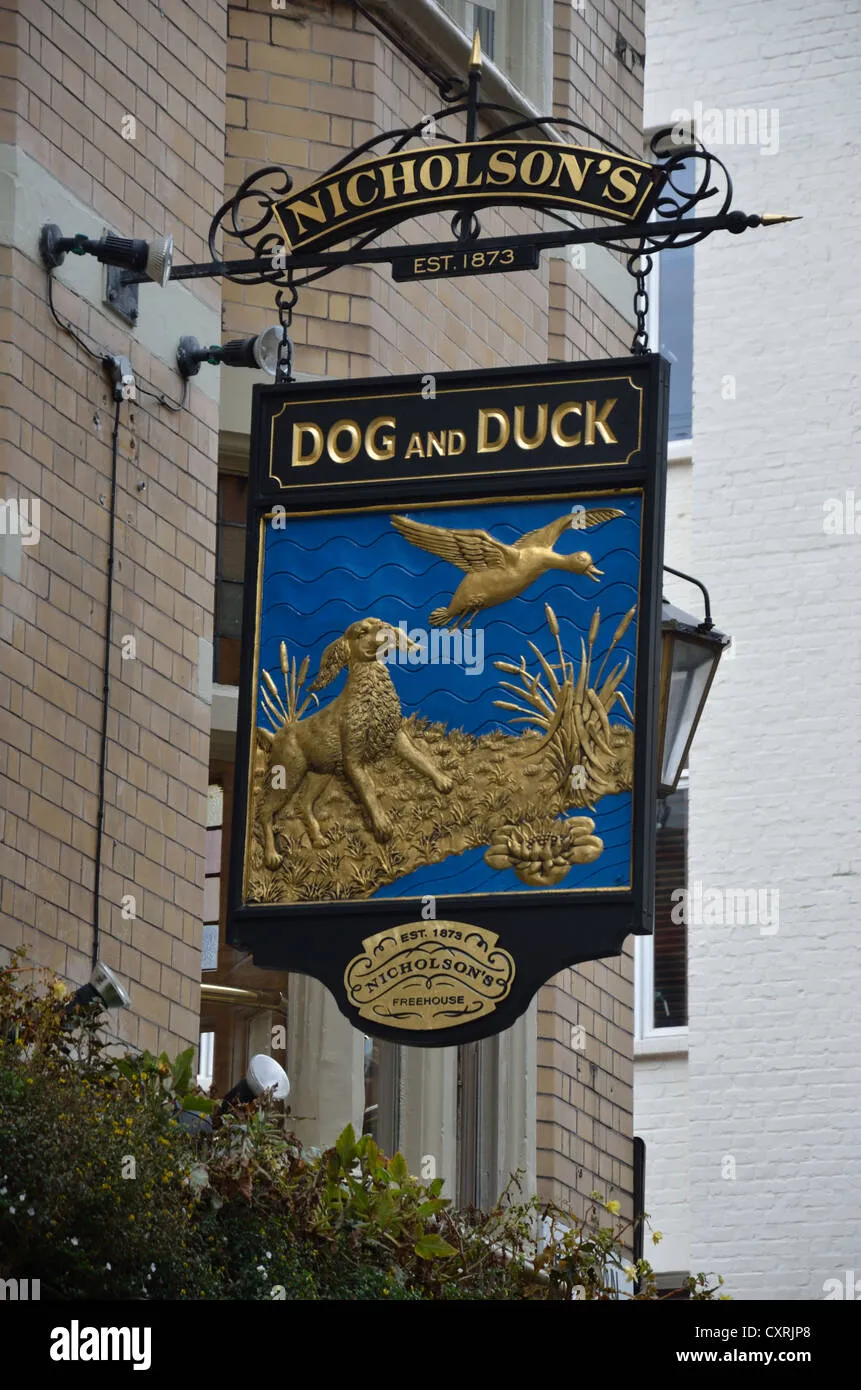 Photo: Dog and Duck, via c8.alamy.com
Where the Men Went
Pub games gave men something they struggle to find elsewhere: a socially acceptable reason to spend time together without having to talk about feelings. You could work through a marriage breakdown over a game of cribbage, process redundancy through a darts match, or simply enjoy companionship without the pressure of conversation.
The games created natural rhythms of interaction — moments of intense focus punctuated by easy chat, competitive tension relieved by shared laughter. They provided structure for men who weren't comfortable with the unstructured socialising that came more naturally to others.
Without these focal points, the pub lost its gravitational pull for an entire demographic. Why stay for another pint when there's nothing to do but drink it? Why commit to coming back when there's no team counting on you?
The Last Throw
Some pubs still try. They'll put up a sign advertising 'Darts Night Every Tuesday' and wait hopefully for the crowds to return. But you can't resurrect a culture by decree. The ecosystem that supported pub games — the leagues, the rivalries, the unspoken traditions — took decades to evolve and disappeared in the space of a few years.
The dartboard gathering dust isn't just sporting equipment falling into disuse. It's the physical manifestation of something far more profound: the slow dissolution of the bonds that once held Britain's living rooms together. We've gained cleaner walls and quieter evenings, but we've lost the tribes that made our locals worth defending.
Perhaps that's the real tragedy. Not that the games died, but that we hardly noticed when they took their tribes with them.