The Four-Legged Landlord: When Every Local Had Its Own Welcoming Committee
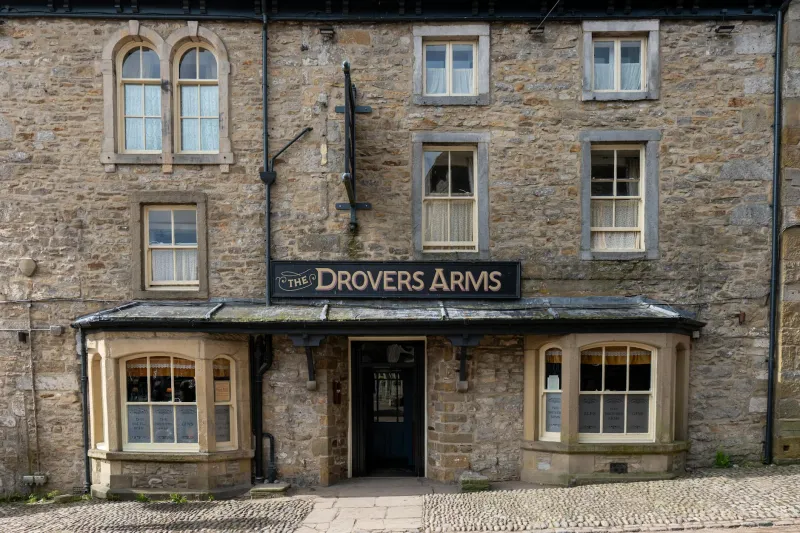
The Unofficial Greeter
His name was usually something like Buster or Patch or Rex, and he'd been sleeping in the same spot by the fireplace since before half the regulars had discovered the place. The pub dog wasn't just a pet; he was an institution, a living piece of furniture that happened to wag its tail and occasionally accept scraps from sympathetic punters. He knew the sound of every regular's footstep, could distinguish between the postman's knock and a stranger's tentative push at the door, and had an uncanny ability to position himself exactly where he'd cause maximum disruption during busy periods.
But disruption wasn't the right word, really. The pub dog was a social lubricant disguised as a Labrador. Strangers who might have stood awkwardly at the bar nursing their pints would find themselves drawn into conversation simply because someone needed to comment on the magnificent beast sprawled across the hearth. "Been here long, has he?" was the universal ice-breaker, leading to stories about the dog's legendary appetite, his mysterious ability to predict rain, or that time he'd cornered a would-be burglar in the cellar.
The Hierarchy of Paws
Every pub animal occupied a specific position in the establishment's social order, and the regulars understood these rankings instinctively. The landlord's dog might have had naming rights to the best spot by the fire, but the resident mouser — often a battle-scarred tom with one ear and an attitude — ruled the snug with absolute authority. Customers learned quickly that you didn't sit in Tiddles' chair, you didn't move Tiddles' cushion, and you certainly didn't try to befriend Tiddles unless he deemed you worthy of his attention.
These weren't arbitrary hierarchies but carefully negotiated territories that reflected the pub's deeper social structures. The dog might belong to the landlord, but the cat belonged to the pub itself, having often outlasted several changes of management. Regulars would speak of these animals with the kind of respectful familiarity usually reserved for beloved but difficult relatives: "You want to watch Duchess there — she's got opinions about where you put your handbag."
The Children's Diplomat
Nothing transformed a potentially unwelcoming adult environment quite like a friendly pub animal. Children who might have felt out of place in the grown-up world of beer and conversation found instant allies in the four-legged residents. The pub dog became their automatic best friend, a patient audience for their chatter and a willing participant in games that adults had long forgotten how to play.
Parents discovered that their offspring would actually sit still and behave if there was a cat to stroke or a dog to feed crisps to. Sunday lunchtime became bearable — even pleasant — when children had a living attraction to focus on rather than demanding constant entertainment. The pub animal served as babysitter, teacher, and friend, showing young visitors that this strange adult world could accommodate them too.
The Conversation Starter
For the lonely, the pub pet was often their first and most reliable conversation partner. The elderly gentleman who'd lost his wife might find himself talking to the landlord's spaniel about his garden, his health, his memories — conversations that gradually drew in other customers who'd overhear and add their own observations. The animal became a bridge between isolation and community, offering the kind of non-judgmental companionship that humans, for all their good intentions, couldn't quite replicate.
Strangers bonding over a shared love of dogs would discover common ground that extended far beyond their appreciation for wet noses and wagging tails. Business deals were struck by men who'd initially been brought together by their mutual admiration for a particularly handsome retriever. Romances bloomed between couples who'd first spoken because one of them was allergic to cats and needed to warn the other about the Persian lurking under their table.
The Character Reference
Pub animals were excellent judges of character, and regulars learned to trust their instincts. If Rex took against someone, there was usually a good reason. If Smoky the cat actually approached a newcomer — an event rarer than a solar eclipse — that person was clearly worth knowing. These animals had seen enough of humanity to develop sophisticated screening processes, and their approval or disapproval carried weight with customers who'd learned to value their judgment.
The pub pet's behaviour often reflected the establishment's own personality. A friendly, outgoing dog suggested a welcoming atmosphere where strangers would be made welcome. A more reserved animal indicated a local where you'd need to earn your place gradually. The completely antisocial pub cat that hissed at everyone except the landlord was usually found in establishments where the regulars valued their privacy above all else.
The Practical Magic
Beyond their social functions, pub animals served practical purposes that modern health and safety regulations have largely forgotten. The pub cat wasn't just a charming addition to the decor; she was a working member of staff, keeping the cellars free of rodents and the kitchen clear of unwanted visitors. The pub dog served as security system, early warning device, and waste disposal unit rolled into one enthusiastic package.
These animals also provided a sense of continuity that transcended human management changes. Customers might be uncertain about new landlords or suspicious of refurbishments, but as long as the familiar four-legged residents remained, the essential character of the place stayed intact. The pub animal was a living link to the establishment's history, a breathing reminder that some things remained constant in an ever-changing world.
The Sanitised Goodbye
The decline of pub animals wasn't the result of a single decision but a gradual erosion of tolerance for anything that couldn't be easily regulated or controlled. Health inspectors worried about hygiene, insurance companies fretted about liability, and pub chains preferred standardised environments that could be replicated across multiple sites. The messy, unpredictable charm of a resident pet didn't fit the corporate model of efficient hospitality.
Modern managed houses might have better ventilation and cleaner carpets, but they lack the indefinable warmth that came from sharing space with creatures that had no agenda beyond comfort, companionship, and the occasional dropped chip. We've gained consistency and lost character, achieved compliance and sacrificed soul.
The Empty Hearth
Walk into most contemporary pubs and you'll find the space where the pub dog once held court now occupied by a fruit machine or left awkwardly empty. The snug that once echoed with purring is filled with the electronic bleeping of quiz machines. We've replaced living, breathing character with sanitised entertainment, and wonder why our locals feel less like homes and more like retail outlets.
The pub animal represented something irreplaceable: the understanding that the best social spaces accommodate all forms of life, that character can't be manufactured or branded, and that sometimes the most important member of staff is the one who never took a wage. When we lost them, we didn't just lose pets — we lost the last guardians of the pub's role as Britain's greatest living room.