The Glass That Whispered Secrets: How Britain's Pubs Lost Their Most Mysterious Invitation
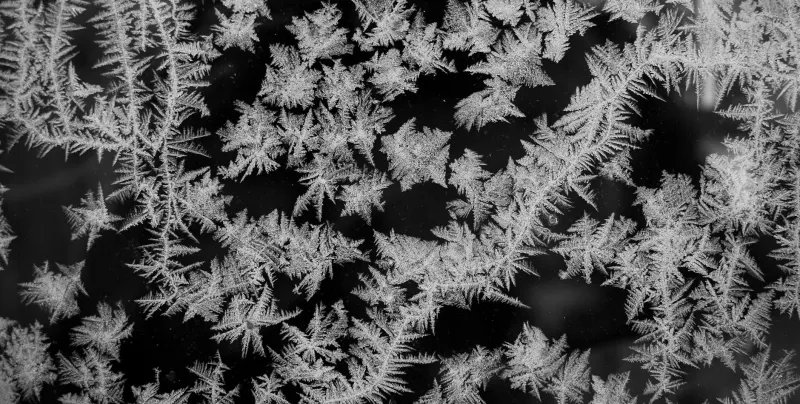
The Art of Almost Seeing
There was something almost magical about approaching a proper British pub in the dying light of a winter evening. Through those magnificent etched glass panels — swirling patterns of frosted roses, geometric diamonds, or simple acid-etched borders — you could make out the warm glow of gaslight, then electric bulbs, and the shadowy movements of people within. You couldn't quite see who was inside, but you knew life was happening. Real life. The kind that might welcome a stranger with a nod and a pint.
Those windows were masterpieces of psychological architecture, crafted by Victorian and Edwardian designers who understood something fundamental about human nature: we're drawn to mysteries we can almost solve. The etched glass panels weren't just decorative — they were invitations wrapped in intrigue, promising warmth and company without demanding you commit to entering until you'd made up your mind.
Today's pub windows tell a different story entirely. Floor-to-ceiling clear glass reveals everything and promises nothing. You can see the empty tables, the lone drinker scrolling through his phone, the couple having an argument over their gastropub mains. There's no mystery left, no sense that something wonderful might be waiting just beyond your vision.
The Psychology of Sanctuary
The genius of traditional pub glass wasn't just aesthetic — it was deeply practical. Those frosted panels created what psychologists might now call a 'transitional space', a threshold between the harsh realities of the street and the promise of sanctuary within. You couldn't be seen from outside until you chose to be seen, and you couldn't judge the company until you'd committed to joining it.
This mattered enormously in communities where everyone knew everyone else's business. The etched glass offered a kind of social privacy that made spontaneous socialising possible. A man could slip in for a quiet pint without the whole street knowing his movements. A woman could meet friends without advertising her social calendar to passing neighbours. The pub became a place where ordinary people could be themselves without performing for an audience they hadn't chosen.
Modern pub design has obliterated this careful balance. The Instagram-worthy interiors visible through crystal-clear windows turn every patron into part of the decoration, every conversation into potential content for someone's story. The pub has become a fishbowl, and fish don't build communities — they just swim in circles until feeding time.
When Renovation Became Vandalism
The destruction of Britain's pub glass heritage happened gradually, then suddenly. Property developers and chain operators, armed with spreadsheets showing 'increased visibility equals increased footfall', systematically ripped out centuries of craftsmanship. They replaced etched masterpieces with stark sheets of clear glass, often keeping just enough Victorian features to claim 'character' whilst destroying the very elements that created it.
The reasoning seemed sound on paper: if people could see inside, they'd be more likely to enter. But this logic fundamentally misunderstood what had made pubs magnetic in the first place. The etched glass wasn't hiding anything shameful — it was creating anticipation. It was saying 'something good is happening here, and you're welcome to discover what it is.'
Instead, we got the coffee shop aesthetic: bright, clean, visible, and utterly predictable. You can see exactly what you're getting before you cross the threshold, which means there's no reason to cross it unless you're certain you want what's on offer. The element of pleasant surprise, of stumbling into unexpected company or conversation, has been designed out of existence.
The Street That Lost Its Soul
Walk down any British high street today and notice how the remaining pubs announce themselves. Gone are the mysterious glows behind intricate glass screens. Instead, we have harsh fluorescent lighting spilling onto pavements, revealing everything and inspiring nothing. The modern pub window is less an invitation than an inspection — you can evaluate the clientele, the atmosphere, and the likelihood of enjoying yourself before committing to anything more than a glance.
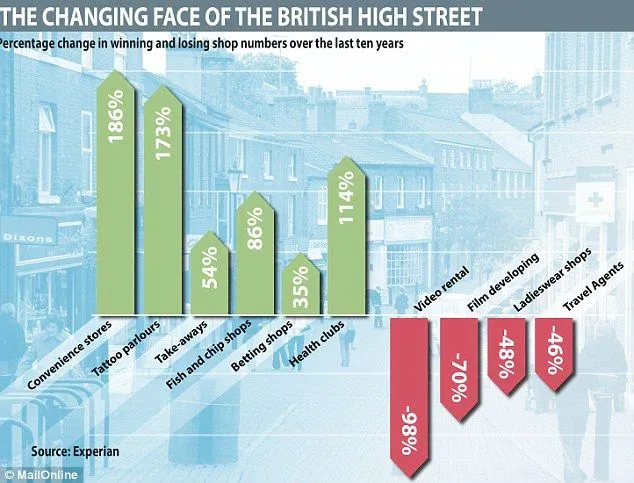 Photo: British high street, via i.pinimg.com
This transparency, sold to us as progress, has actually made pubs less accessible to the very people who need them most. The shy, the lonely, the uncertain — all those souls who might have been drawn in by the warm mystery of etched glass — now face the terrifying prospect of being fully visible from the moment they consider entering.
The old glass understood that the best invitations don't reveal everything at once. They hint, they suggest, they promise warmth and welcome without demanding you perform confidence you might not feel. They made every pub entrance an act of hopeful discovery rather than calculated social positioning.
What We Lost in the Light
The replacement of etched glass with clear panels represents more than aesthetic vandalism — it's the physical manifestation of how we've changed our relationship with public space. We've prioritised visibility over mystery, certainty over discovery, efficiency over enchantment.
The Victorian publicans who commissioned those beautiful etched panels understood something we've forgotten: the best social spaces don't reveal all their secrets from the outside. They draw you in with the promise of something indefinable, something that can only be experienced by crossing the threshold and taking your place among strangers who might become friends.
When we stripped away the etched glass, we didn't just lose beautiful craftsmanship — we lost the art of the mysterious invitation. We turned our pubs into shop windows and wondered why people stopped looking inside.
The glass that once whispered secrets now shouts ordinary truths. And in a world full of ordinary truths, who needs another place to sit and scroll through their phone?