The Meat Raffle and the Sticky Carpet: Why Pub Rituals Were the Glue Nobody Knew Was Holding Them Together
The Sacred Theatre of the Ordinary
There's a pub in Wolverhampton where the carpet hasn't been properly cleaned since 1987, and regulars will tell you with genuine pride that they can still make out the wine stain from Sandra's birthday do. Down in Cornwall, the Fisherman's Rest still holds its monthly dominoes tournament, though only four blokes turn up these days, and they spend more time arguing about whether Brexit affected the quality of the pasties than actually playing.
These aren't charming anachronisms or tourist attractions waiting to happen. They're the dying embers of something we never properly understood: the intricate web of rituals, traditions, and frankly ridiculous customs that transformed British pubs from mere drinking establishments into the beating hearts of their communities.
The Meat Raffle Revolution
Every Sunday at half-past two, without fail, Big Jim would emerge from behind the bar at the King's Head with a tray of tickets and a leg of lamb wrapped in cling film. The meat raffle wasn't just about winning your Sunday roast — it was about the collective groan when Mrs Henderson won for the third week running, the good-natured accusations of the draw being rigged, and the unspoken understanding that the proceeds would somehow find their way to whoever was struggling that month.
The ritual had layers that nobody ever articulated. The way newcomers would be gently inducted into the process by having the rules explained with mock solemnity. The annual controversy over whether the Christmas turkey raffle should include a bottle of brandy. The time young Danny won the lamb but had to ask his mum to come and collect it because he lived in a bedsit with no freezer.
When the King's Head finally gave up the meat raffle in 2019 — "health and safety gone mad," according to the locals, though the real reason was that Jim's arthritis made carrying the tray too painful — something indefinable died with it. The pub survived, technically. People still drink there. But the weekly ceremony that had bound three generations of customers together was gone, and with it went a piece of the pub's soul.
The Democracy of the Sticky Floor
Modern pub chains spend fortunes on focus groups trying to understand what creates "atmosphere." They've missed the point entirely. Atmosphere wasn't something you designed — it was something you accumulated, one spilled pint, one heated argument about offside rules, one Christmas party at a time.
The sticky carpet at the Rose and Crown wasn't a hygiene failure; it was a historical document. Every stain told a story, every worn patch marked where generations had stood to argue politics, celebrate births, and commiserate over deaths. When the brewery finally ripped it up and installed "easy-clean laminate flooring," they didn't just remove a carpet — they erased decades of communal memory.
The Unelected Parliament of Pub Life
British pubs operated according to an unwritten constitution more complex than anything Westminster ever produced. There was the Seat by the Fire (reserved for Old Tom until his passing, then respectfully left empty for three months before being quietly inherited by his best mate). There was the Christmas Collection Tin (contributions anonymous but amounts somehow known to all). There was the Landlord's Dog (always ancient, always asleep, always positioned where it could trip up anyone who'd had too many).
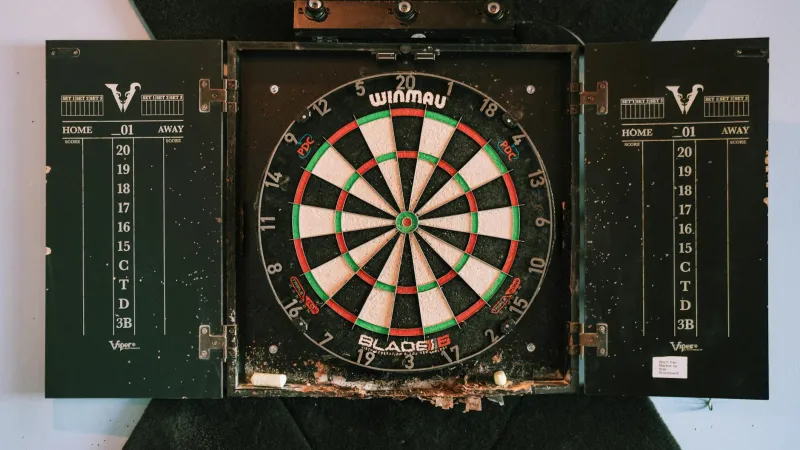
These weren't arbitrary traditions — they were the social infrastructure that made pub life work. The darts team trophy presentation wasn't just about celebrating victory; it was about creating a moment when the entire pub would turn its attention to the corner where the board hung, when strangers would applaud people they'd never spoken to, when the boundary between "regulars" and "outsiders" temporarily dissolved.
The Weight of Small Things
We're brilliant at preserving grand traditions — the Changing of the Guard, the State Opening of Parliament, the FA Cup Final. But we've been catastrophically careless with the small rituals that actually held communities together. The pub quiz that always started ten minutes late because someone had to finish explaining why their answer was technically correct. The way certain regulars would automatically move seats when the football came on, not because they cared about the match but because they knew others did.
These micro-ceremonies created what sociologists call "social capital" — the invisible bonds that make a collection of individuals feel like a community. Without them, a pub becomes just another retail space selling alcohol. Clean, efficient, profitable perhaps, but fundamentally hollow.
The Silence Where Ritual Used to Be
Walk into most surviving pubs today and you'll notice the absence more than the presence. No meat raffle. No darts team. No collection tin. No ancient dog. No arguments about who's turn it is to buy the crisps for the dominoes table. Just people staring at their phones, ordering through apps, paying by contactless.
We've gained convenience and lost ceremony. We've eliminated the mess and the chaos, the slightly embarrassing traditions and the mildly irritating regulars who insisted on doing things the way they'd always been done. We've created spaces that are undeniably better in every measurable way — cleaner, quieter, more efficient.
And we wonder why they feel so empty.
The Ritual Deficit
The tragedy isn't that these traditions were particularly meaningful in themselves — half of them were genuinely daft, and the other half were probably invented by someone who'd had a few too many. The tragedy is that they were the scaffolding around which pub communities built themselves, the repeated ceremonies that transformed strangers into neighbours, customers into family.
Without rituals, we're just individuals who happen to be drinking in the same room. With them, we were part of something larger than ourselves — messy, chaotic, occasionally ridiculous, but undeniably real. The meat raffle and the sticky carpet weren't just features of pub life; they were the beating heart of Britain's greatest living rooms.
And now they're gone, we're finally beginning to understand what we've lost.