Mindful Drinking, Mindless Community: How Wellness Warriors Killed the Spontaneous Pint
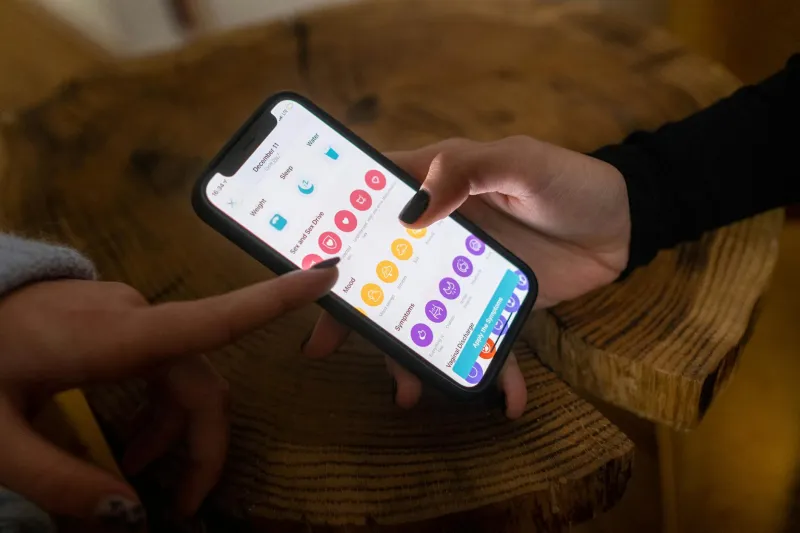
The Algorithm Knows When You Can Have a Drink
There's an app for everything now, including when you're allowed to enjoy a pint. Between mindful drinking trackers, sobriety challenges, and wellness influencers preaching the gospel of 'intentional consumption,' the simple act of popping to your local has become a moral minefield requiring spreadsheets and self-reflection.
Don't misunderstand—drinking less is genuinely good for you. Your liver will thank you, your sleep will improve, and your wallet will feel heavier. But somewhere between Dry January and Sober October, we've managed to pathologise the very behaviour that once held British communities together.
The pub wasn't just a place to drink—it was the original social network, the living room for your neighbourhood. Now we've replaced spontaneous community with scheduled self-improvement, and we're wondering why everyone feels so bloody isolated.
From 'Fancy a Pint?' to 'Let Me Check My App'
Remember when going for a drink was as natural as making a cup of tea? You'd finish work, spot a mate, and someone would suggest the pub. No planning required, no guilt involved, no need to consult your wellness tracker to see if you'd already exceeded your weekly units.
Now that same invitation triggers a complex internal audit. Have I already had my allocated two drinks this week? Is this a 'mindful' choice or am I just being social? Should I suggest a coffee instead to demonstrate my commitment to optimal living?
By the time you've finished your moral calculus, your mate has gone home and you're left with a meditation app for company. Progress, apparently.
The Professionalisation of Socialising
Wellness culture has turned drinking into a professional development exercise. Every pint requires justification, every pub visit needs to align with your personal growth objectives. We've replaced 'I could murder a pint' with 'I'm allowing myself one unit of alcohol as part of my balanced lifestyle approach.'
The language alone reveals how far we've fallen. 'Allowing yourself' a drink implies you're normally forbidden from having one. 'Mindful drinking' suggests that previous generations were stumbling through pubs in a drunken stupor, completely unaware of their consumption.
But here's the thing—most people were already drinking mindfully. They knew their limits, understood their local's rhythms, and had built-in social controls through community expectations. The regular who overdid it faced gentle mockery, not algorithmic intervention.
The Spontaneity Deficit
What we've lost isn't just drinking—it's spontaneity itself. The wellness approach to alcohol requires planning, tracking, and constant self-monitoring. You can't just wander into The King's Head because you fancy a chat with Terry behind the bar. You need to check whether this aligns with your current sobriety streak or fits within your monthly alcohol budget.
This might sound reasonable in isolation, but it's destroyed the casual, unplanned interactions that made pubs the heart of community life. The magic happened in the margins—the unexpected conversations, the impromptu celebrations, the simple human presence that didn't require scheduling.
Now we optimize our social lives like fitness routines, tracking inputs and outputs while wondering why it all feels so mechanical. We've gained control over our drinking but lost control over our communities.
The Guilt Tax
Perhaps the cruellest aspect of wellness culture's war on the pub is how it's weaponised guilt. Having a pint after work isn't just a drink anymore—it's a moral failing that requires explanation and justification.
Social media compounds this with endless posts about sobriety milestones, before-and-after photos celebrating alcohol-free lifestyles, and influencers monetising their relationship with drinking. The message is clear: good people don't need pubs, and people who frequent them are probably struggling with 'issues.'
This guilt tax has turned the pub from a welcoming community space into something vaguely shameful—a weakness to be overcome rather than a tradition to be celebrated.
The Community Cost of Personal Optimisation
Here's what the wellness evangelists don't mention in their transformation posts: community spaces need regular users to survive. Pubs can't exist on the custom of people who 'allow themselves' two drinks per month. They need the daily regulars, the after-work crowd, the Friday night celebrations that happen without apps or tracking.
When we turned drinking from a social habit into a health optimization problem, we didn't just change individual behaviour—we undermined the economic foundation of community gathering spaces. The pub that once relied on steady custom from locals who popped in without overthinking it now struggles to survive on the carefully calculated visits of the mindfully drinking.
The Irony of Connection
The greatest irony is that wellness culture promises better relationships and improved mental health while systematically dismantling the spaces where both naturally occurred. The pub offered unstructured social time, intergenerational mixing, and the kind of casual human contact that's become increasingly rare in our digitized world.
Now we schedule our social interactions like doctor's appointments, optimize our alcohol intake like macro nutrients, and wonder why we feel more isolated despite having better health metrics.
Finding Balance in the Rubble
None of this is to argue against drinking less or being more conscious about alcohol's effects. The problem isn't awareness—it's the transformation of social drinking from a community activity into a personal wellness project.
We need to find a way to drink more thoughtfully without thinking so hard about every drink that we forget why we're there in the first place. The pub was never really about the alcohol—it was about the conversation, the community, the shared space where neighbours became friends.
If we can't figure out how to be both healthier and more social, we'll end up with the fittest, most isolated generation in British history. Perfect liver function, empty living rooms, and apps that track everything except what we've lost along the way.