The Pub Piano Nobody Plays: How the Singalong Died and Took Joy With It
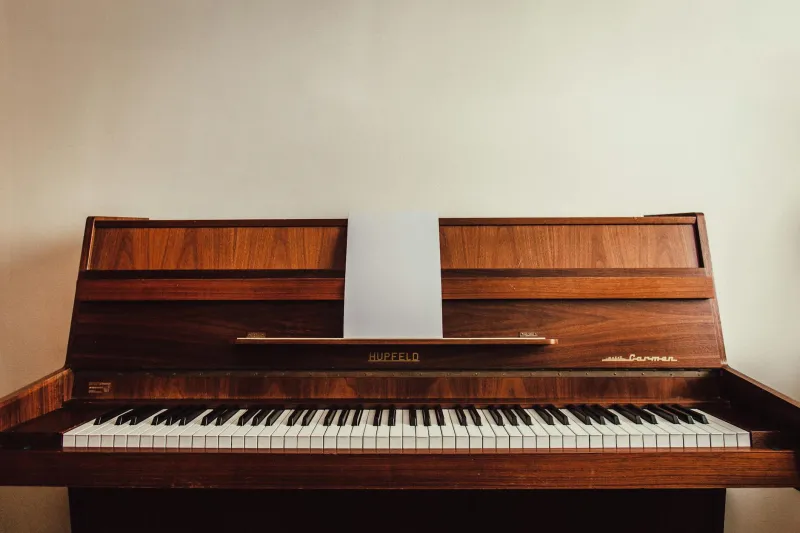
The Silent Keys That Once Made Magic
Walk into any surviving British pub today and you'll likely find it: an upright piano, pushed against the wall like furniture nobody knows what to do with. Its keys are yellowed, its bench serves as a shelf for forgotten coats, and dust settles in the gaps where melodies once lived. That piano isn't just decoration—it's a monument to the death of something uniquely British: the art of singing together in public without shame.
Twenty years ago, that same piano was the beating heart of weekend nights. Some bloke—usually called Dave or Colin—would crack his knuckles, slide onto the bench, and suddenly the entire room would transform. Voices that had been grumbling about the weather would lift into "Sweet Caroline" or "My Way," strangers would link arms, and for a brief, magnificent moment, the pub became what it was always meant to be: Britain's greatest living room.
When Talent Mattered Less Than Heart
The pub pianist wasn't a professional. Christ, half of them could barely read music. But they possessed something far more valuable: the ability to read a room. They knew when to launch into "Wonderwall" for the younger crowd, when to pivot to "Danny Boy" for the old-timers having a weep, and exactly which moment called for a rousing chorus of "We Are the Champions."
These weren't polished performances. They were messy, joyful, utterly human affairs where being slightly pissed and completely off-key was not just acceptable but encouraged. The pianist was part conductor, part therapist, part magician—transforming a collection of individuals into something approaching a community.
In the Valleys, they'd belt out hymns with the same passion they'd given to rugby songs an hour earlier. In East London boozers, cockney classics would give way to whatever was topping the charts. In Yorkshire, they'd murder "Jerusalem" with such enthusiastic incompetence that Blake himself might have wept—with pride or horror, nobody could say.
 Photo: the Valleys, via 4.bp.blogspot.com
 Photo: East London, via anitaslondontours.com
The Algorithm Killed the Singalong
Somewhere along the way, we decided that spontaneous music-making was inefficient. Why gather around a piano when Spotify could deliver the perfect playlist, precisely curated for optimal ambiance? Why risk the chaos of human voices when the sound system could provide studio-quality audio at exactly the right volume?
We traded the magnificent unpredictability of live music for the sterile perfection of digital streaming. The pub jukebox—itself a compromise from the piano days—gave way to background playlists that nobody really listens to but everyone passively endures.
The result? Silence where there used to be song. Isolation where there used to be connection. A room full of people staring at individual screens instead of sharing a collective moment of joy.
More Than Music: The Death of Unscripted Joy
The disappearance of the pub piano represents something larger: Britain's growing inability to create unscripted, unrehearsed moments of happiness. We've become a nation that plans its fun, curates its experiences, and documents its joy for social media rather than simply living it.
The old pub singalong was beautifully, chaotically democratic. It didn't matter if you were the company director or the bloke who swept up after closing—when "Don't Look Back in Anger" started up, you were all just voices in the same glorious noise. There was no VIP section for the tuneful, no premium experience for those who knew all the words.
Today's entertainment is increasingly segregated and sanitised. We go to specific venues for specific experiences—comedy clubs for laughs, concert halls for music, restaurants for dining. The pub, once the place where all of life's joys could spontaneously combust in a single evening, has been relegated to the role of quiet drinking establishment.
The Silence Speaks Volumes
Perhaps the saddest thing about those dusty pub pianos isn't that nobody plays them anymore—it's that we've forgotten why we ever wanted to. We've convinced ourselves that professional entertainment is superior to amateur joy, that curated experiences are preferable to spontaneous chaos.
But anyone who ever stood arm-in-arm with strangers, bellowing "Sweet Caroline" at closing time, knows better. They know that the most profound human connections often happen not in the polished performances we plan, but in the messy, magnificent moments we stumble into together.
The piano in the corner isn't just gathering dust—it's mourning the death of a Britain that knew how to sing together, cry together, and find joy in the simple act of being human in each other's company. And in its silence, we hear the echo of everything we've lost.
The Last Song
Some nights, if you listen carefully in the right kind of pub, you might still hear the ghost of those old singalongs. It's there in the way voices naturally harmonise when the football's on, in the spontaneous "Happy Birthday" that erupts when someone mentions it's their special day, in the rare moments when the playlist stops and human conversation actually fills the space.
Those moments remind us what we gave up when we decided that efficiency mattered more than joy, that professional entertainment was superior to amateur passion, that the mess of human voices singing together was something to be improved upon rather than treasured.
The pub piano nobody plays isn't just a piece of furniture. It's a reminder of who we used to be—and perhaps, if we're very lucky, who we might be again.