The Pub Telephone That Never Stopped Ringing: How the Bar Once Kept Families Connected
The Number Everyone Knew by Heart
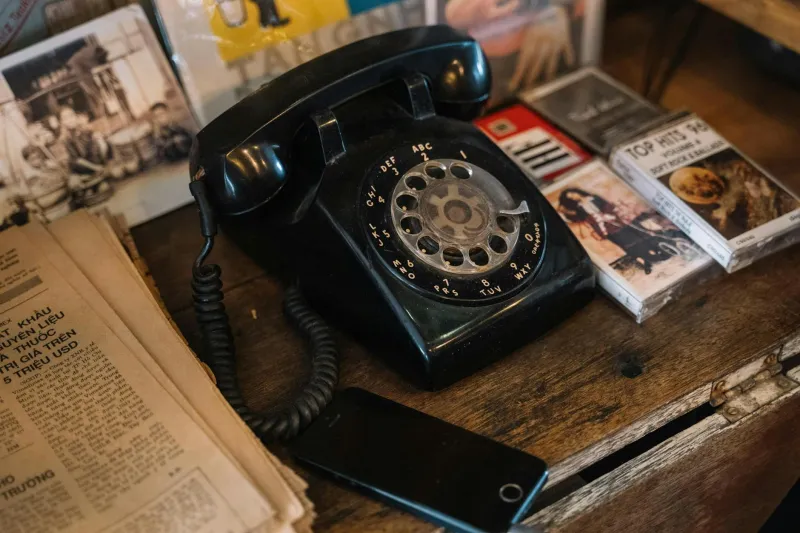
Hanging behind the bar of every proper British pub, usually wedged between the spirit optics and a faded brewery mirror, sat a black Bakelite telephone that might just have been the most important piece of technology in the neighbourhood. Not the till, not the beer pumps — the phone. Because in an age before every pocket carried a computer, that pub telephone was the beating heart of community communication.
The number was scrawled on scraps of paper tucked into kitchen drawers across the estate. Shift workers at the factory gave it to their supervisors. Mothers passed it to their grown children who'd moved to bedsits without a landline. It was the emergency contact for anyone who couldn't afford British Telecom's quarterly rental charges, which in the 1970s and 80s could represent a week's grocery budget.
 Photo: British Telecom, via static.vecteezy.com
When Landlords Were Switchboard Operators
Behind every pub telephone stood a landlord or landlady who'd accepted an unspoken responsibility that went far beyond pulling pints. They became the neighbourhood's unofficial telephone exchange, taking messages with the gravity of a wartime radio operator. "Tell our Margaret the baby's coming early." "Let Jimmy know his shift's been moved to six." "Can you get word to the Johnsons that their dad's been taken poorly?"
 Photo: Margaret, via crisscut.stevenstone.co.uk
The good landlords — and most were — developed an intricate system. Messages were pinned to a cork board behind the bar, organised by urgency and time sensitivity. Some kept a dog-eared exercise book, recording calls with the methodical care of a parish register. When the phone rang during the evening rush, conversation would hush as the landlord answered, everyone secretly hoping it wasn't bad news meant for them.
The Human Chain of Connection
What made the pub telephone truly remarkable wasn't the technology — it was the web of human relationships that made it work. When a call came through for someone who wasn't in the pub, the landlord would dispatch whoever was nearest to fetch them. Children were sent running to knock on doors. Regulars would volunteer to check the corner shop or the launderette.
This wasn't just convenience; it was community care in action. The system relied entirely on trust and goodwill. Landlords answered calls for people they might barely know, took messages for customers who owed them money, and sent strangers on errands to find other strangers. It worked because everyone understood their role in keeping the network alive.
More Than Messages
The pub telephone served functions that our modern communications can't replicate. It was a counselling service, with landlords offering a sympathetic ear to callers wrestling with family problems. It was a jobs board, with word-of-mouth opportunities passed through the receiver. It was even a dating service, as shy suitors would ring the pub hoping to catch the attention of someone they'd spotted but been too nervous to approach directly.
Most importantly, it was a lifeline for the isolated. Elderly widows who'd never used a telephone before would nervously dial the pub number, knowing that someone would answer with patience and kindness. The phone connected people not just to other people, but to their community itself.
The Death of Dependence
When mobile phones arrived, they promised to set us free. No more waiting by the landline. No more missed calls. No more relying on others to take messages. We gained convenience but lost something far more valuable — the necessity of depending on each other.
The pub telephone represented a different kind of connectivity. It wasn't instant, it wasn't private, and it certainly wasn't convenient. But it was human. Every call required at least three people: the caller, the answerer, and usually someone willing to help bridge the gap between them.
The Silence That Followed
Today's pubs, those that remain, might have Wi-Fi and card machines, but they've lost their role as communication hubs. We carry devices more powerful than the computers that put men on the moon, yet we feel more unreachable than ever. We can video-call someone on the other side of the world but struggle to maintain meaningful contact with the person next door.
What We Really Disconnected
The pub telephone wasn't really about the technology — it was about the acknowledgement that we're all part of something larger than ourselves. It represented a time when being connected meant being accountable to your community, when communication was a shared responsibility rather than a personal convenience.
As we scroll through endless notifications on devices that demand constant attention, perhaps it's worth remembering that black telephone behind the bar. It rang when it mattered, it was answered by someone who cared, and it connected people not just to conversations, but to the fundamental human truth that we all need each other.
The pub telephone that never stopped ringing has fallen silent forever. In its place, we have phones that never stop buzzing but somehow leave us feeling more alone than ever.