The Pub Wedding: How Britain's Locals Once Threw the Best Receptions Nobody Talks About
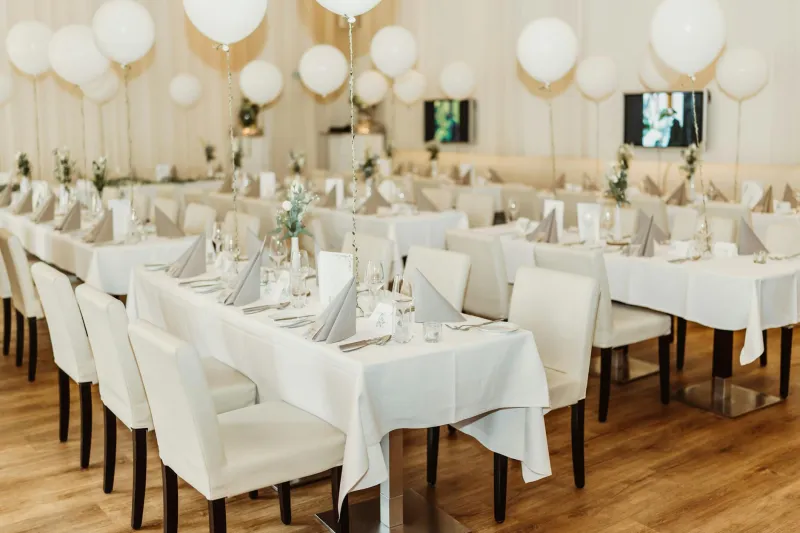
The Function Room That Felt Like Home
Tucked behind every proper British pub was a room that hosted more genuine joy than any five-star hotel ballroom ever could. The function room — sometimes generously called the 'suite' despite being little more than an extension with different wallpaper — was where ordinary families threw extraordinary celebrations.
Wedding receptions, christening parties, golden anniversaries, retirement dos, and the occasional wake all unfolded within these unpretentious walls. The carpet might have been questionable, the décor decidedly dated, but what happened in these rooms was pure magic: real celebrations for real people, thrown by a community that actually cared.
Today, these rooms sit empty or have been converted into storage space. The weddings have moved to country houses and hotel chains, the christenings to gastropubs with children's menus, the anniversaries to restaurants that charge corkage. We've gained sophistication and lost something irreplaceable: the art of celebrating among people who've known us all our lives.
When the Landlord Was Your Wedding Planner
Planning a pub reception was beautifully simple. You'd have a quiet word with the landlord — often someone who'd served your family for years — and they'd sort everything out. No mood boards, no Pinterest inspiration, no stress about colour schemes. Just: "What do you need, love?"
The landlord knew exactly what worked. They'd arrange the tables, sort out the music system (usually a borrowed cassette player), and coordinate with their wife or the barmaid about the buffet. The beer would flow freely, the spirits would be generously measured, and somehow everything would come together perfectly.
This wasn't a business transaction — it was a community investment. The landlord had watched the bride grow up, served the groom his first legal pint, and probably knew both sets of parents as regulars. They had a personal stake in making the day special, and it showed in every detail.
The Buffet That Fed the Street
Pub wedding buffets were legendary affairs that bore no resemblance to the delicate canapés of modern celebrations. We're talking about proper food for proper people: mountains of sandwiches with the crusts cut off, sausage rolls that could feed a family, and enough vol-au-vents to stock a small shop.
The bride's mum and her sisters would arrive hours early to help set up, turning the function room into a temporary cathedral of celebration. Trestle tables groaned under the weight of homemade quiche, bowls of trifle, and enough crisps to supply a football stadium.
Everyone contributed something. Auntie Maureen's famous Victoria sponge, Uncle Ted's speciality cocktail sausages, and the neighbour who always brought those little cakes with the cherries on top. It was a potluck approach to hospitality that ensured variety, abundance, and the kind of personal touches no caterer could provide.
Open House Policy
Pub receptions operated on the beautiful principle that celebration should be inclusive. While the formal wedding breakfast might be limited to close family, the evening do was open to anyone who'd ever shared a drink with the happy couple. The postman, the corner shop owner, work colleagues, old school friends, and half the street would pile into that back room.
This wasn't gate-crashing — it was community celebration at its finest. The more people who turned up, the better the party. Someone would inevitably produce a guitar, someone else would lead the singing, and before long the whole room would be belting out songs that everyone knew but no one could remember learning.
Modern weddings, with their carefully curated guest lists and plus-one protocols, feel sterile by comparison. The pub reception understood something profound: joy shared is joy multiplied.
The Toast That Meant Something
The speeches at pub weddings were gloriously unprofessional. No wedding planners timing the toasts, no microphones that cut out at crucial moments, no pressure to be witty for the sake of social media. Just the bride's dad standing up, tapping his glass with a fork, and speaking from the heart.
These weren't polished performances — they were genuine expressions of love, pride, and community belonging. The best man's speech might ramble, the father of the bride might get emotional, and someone would definitely forget what they meant to say halfway through. But every word rang true because it came from people who genuinely knew and cared about the couple.
The toasts would go on longer than any modern wedding planner would allow, because everyone had something to say. Neighbours would stand up to share memories, work colleagues would offer advice, and elderly relatives would tell stories that embarrassed everyone and delighted everyone in equal measure.
Dancing on Sticky Floors
The dancing at pub weddings was uninhibited in ways that modern celebrations rarely achieve. The DJ was usually someone's cousin with a collection of records, the dance floor was whatever space could be cleared in the middle of the room, and the music policy was refreshingly simple: play what people want to hear.
Three generations would share the same small space, with grandparents waltzing to Glenn Miller while teenagers attempted breakdancing in the corner. The bride would dance with her new husband, then with her dad, then with every male relative who asked, her dress gradually becoming more rumpled and her smile wider with each song.
No one worried about looking sophisticated or Instagram-ready. The sticky carpet, the low ceiling, and the smell of beer and cigarettes created an atmosphere of joyful abandon that no designer venue could replicate.
What Money Couldn't Buy
Pub weddings weren't cheap because they had small budgets — they were rich because they had something money can't purchase: genuine community investment. Every person in that room had a personal connection to the celebration. They weren't there for the free bar or the networking opportunities; they were there because they cared.
The landlord would stay late to help clear up, refusing payment for the extra hours. The barmaid would save the top tier of the wedding cake for the couple to take home. Regular customers would contribute to an impromptu whip-round to buy the newlyweds something special.
These gestures of generosity and care created memories that lasted lifetimes. The couple would return to the same pub for anniversaries, bringing their children and eventually their grandchildren, creating layers of family history within those familiar walls.
The Empty Function Room
Today's wedding industry promises perfection: flawless photography, designer flowers, and venues that look like magazine spreads. But perfection, it turns out, is cold comfort. The modern wedding is often more about the performance than the celebration, more about the photos than the moment.
The pub function rooms that once hosted these joyful gatherings now serve as storage spaces or have been knocked through to create more drinking area. The communities that made these celebrations possible have scattered to the suburbs, and the pubs themselves are closing at an alarming rate.
We've gained sophistication and lost soul. We've created events that look perfect on social media but feel hollow in real life. We've replaced community celebration with commercial transaction, and everyone's poorer for it.
Somewhere in Britain, there's probably still a pub hosting proper celebrations in its back room. If you're lucky enough to be invited, go. Dance on the sticky floor, eat too many sausage rolls, and remember what it feels like to celebrate surrounded by people who've known you all your life.
That's something no wedding planner can arrange, and no amount of money can buy.