The Pub Window Seat: Britain's Greatest Free Theatre That Nobody Watches Anymore
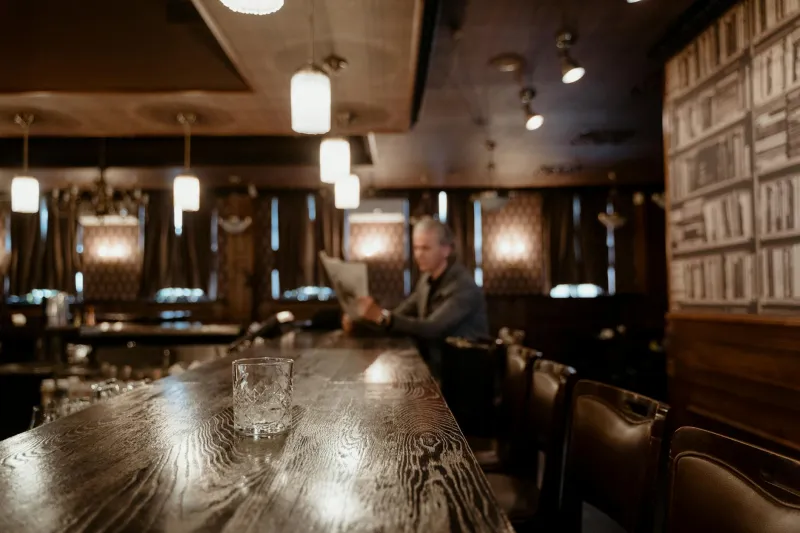
The Best Seat in the House
Walk into any traditional British pub today and you'll find them: those empty window seats, gathering dust and serving as impromptu coat racks. Once upon a time, these were the most coveted spots in the house — prime real estate that came with an unobstructed view of the street and all the drama it contained.
The window seat regular was a particular breed. Usually nursing the same pint for an hour, sometimes two, they'd position themselves like benevolent sentries, watching the world unfold beyond the glass. They knew which neighbour had started walking with a stick, which teenager was sneaking cigarettes behind the bus stop, and exactly what time the postman would appear around the corner each morning.
It wasn't nosiness — well, not entirely. It was connection. These unofficial neighbourhood watch coordinators were plugged into the pulse of their community in a way that no Ring doorbell or Nextdoor app could ever replicate.
The Theatre of the Everyday
From their window perch, the regulars witnessed the grand performance of ordinary life. Mrs Henderson from number 47 hurrying past with her shopping, trying to beat the rain. The young couple from the new builds, still holding hands after six months together. The delivery driver who always parked in exactly the wrong spot and had to reverse twice to get out.
 Photo: Mrs Henderson, via image.tmdb.org
These moments might seem trivial, but they were the threads that wove a community together. The window seat regular would file away these observations, ready to share them over dominoes later or weave them into conversation when someone asked after a mutual acquaintance.
"Saw your Janet yesterday," they'd say, "looked like she was heading to the station with a proper big suitcase."
Suddenly, everyone knew Janet was off somewhere important, and the next time she popped into the shop, half the street would be asking about her trip.
The Slow Art of Watching
The window seat demanded patience — a quality that seems to have evaporated along with the long, unhurried pint. These weren't people scrolling through phones or checking the time every five minutes. They understood that good watching took time, that the rhythms of the street revealed themselves slowly.
Some afternoons, nothing much would happen. A few dog walkers, the school run, the usual suspects heading to the shops. But the window seat regular knew that patience would be rewarded. Eventually, something interesting would unfold: a minor traffic incident, an unexpected visitor, or the delicious spectacle of someone trying to parallel park in a space clearly too small for their car.
These moments of street theatre were shared currency in the pub. The window watcher would turn to the room and announce their findings: "Right, who wants to see a proper disaster? Blue Corsa, trying to get into that space outside Patel's."
Suddenly, half the pub would migrate to the window, offering commentary and advice that the unfortunate driver couldn't hear but everyone else thoroughly enjoyed.
The Death of the Long Drink
The decline of the window seat mirrors the broader death of the long, contemplative pint. Modern pub-goers arrive with purpose: meet friends at seven, leave by nine, home for Netflix. There's no time for the gentle art of observation, no appetite for the slow burn of street-watching.
Pub layouts haven't helped either. The trend towards open-plan spaces and communal tables has pushed individual seating to the margins. Privacy screens and frosted glass — installed with the best of intentions to create intimate spaces — have severed the connection between inside and outside.
Even when window seats remain, they're often occupied by people staring at their phones rather than the street. The external world has been replaced by an endless scroll of other people's external worlds, filtered through algorithms and carefully curated for maximum engagement.
What We Lost When We Stopped Watching
The window seat wasn't just furniture — it was a social institution. It provided continuity, context, and connection. The regular who occupied it became an informal historian of their patch, someone who noticed when the corner shop changed hands or when the house across the street finally sold.
This gentle surveillance created a sense of security too. The window watcher would spot the stranger loitering too long outside the bank, or notice that old Mr Thompson hadn't opened his curtains for two days running. They were the early warning system for a community that looked after its own.
Today's equivalent might be the local Facebook group or WhatsApp chat, but it's not the same. Digital observation is fragmented, reactive, often outraged. The window seat offered something more measured: the long view, literally and figuratively.
The Empty Chair
Next time you're in a traditional pub, look for the empty window seat. Notice how it faces outward, positioned perfectly for watching the world go by. Imagine the conversations it once hosted, the dramas it witnessed, the community connections it fostered.
Then ask yourself: when did we decide that the view from our phones was more interesting than the view from our windows? When did we stop believing that the street outside might have something worth watching?
The window seat waits, patient as ever, for someone to remember that the best entertainment was never on a screen — it was right outside the glass, unfolding one ordinary moment at a time.