The Regulars' Table: How the Reserved Sign Disappeared and Took Belonging With It
The Geography of Belonging
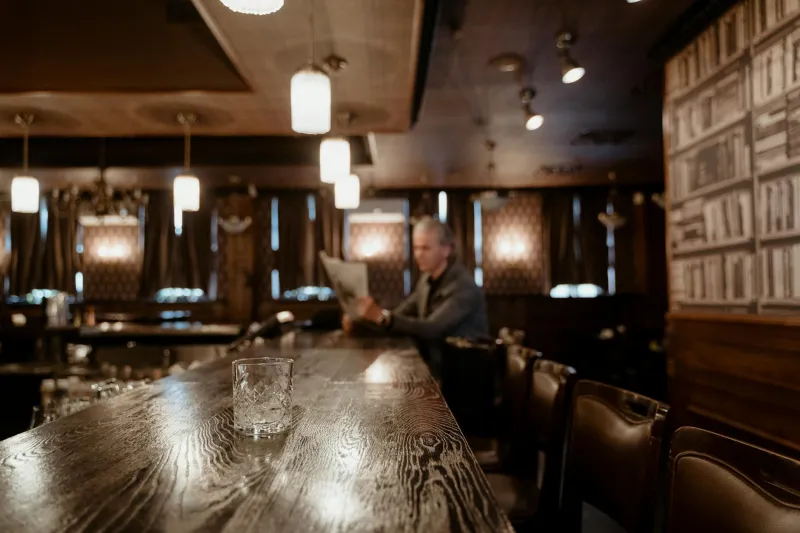
Every proper pub once had its own unwritten constitution, and nowhere was this more sacred than the invisible boundaries that marked where people sat. Walk into the Dog & Duck on any Tuesday evening circa 1985, and you'd find Big Jim holding court at the corner table by the window, his walking stick propped against the same chair leg it had occupied for the better part of two decades. Three stools down at the bar, Mrs Patterson would be nursing her half of mild, handbag positioned just so to save the seat for her husband when he finished his shift at the brewery.
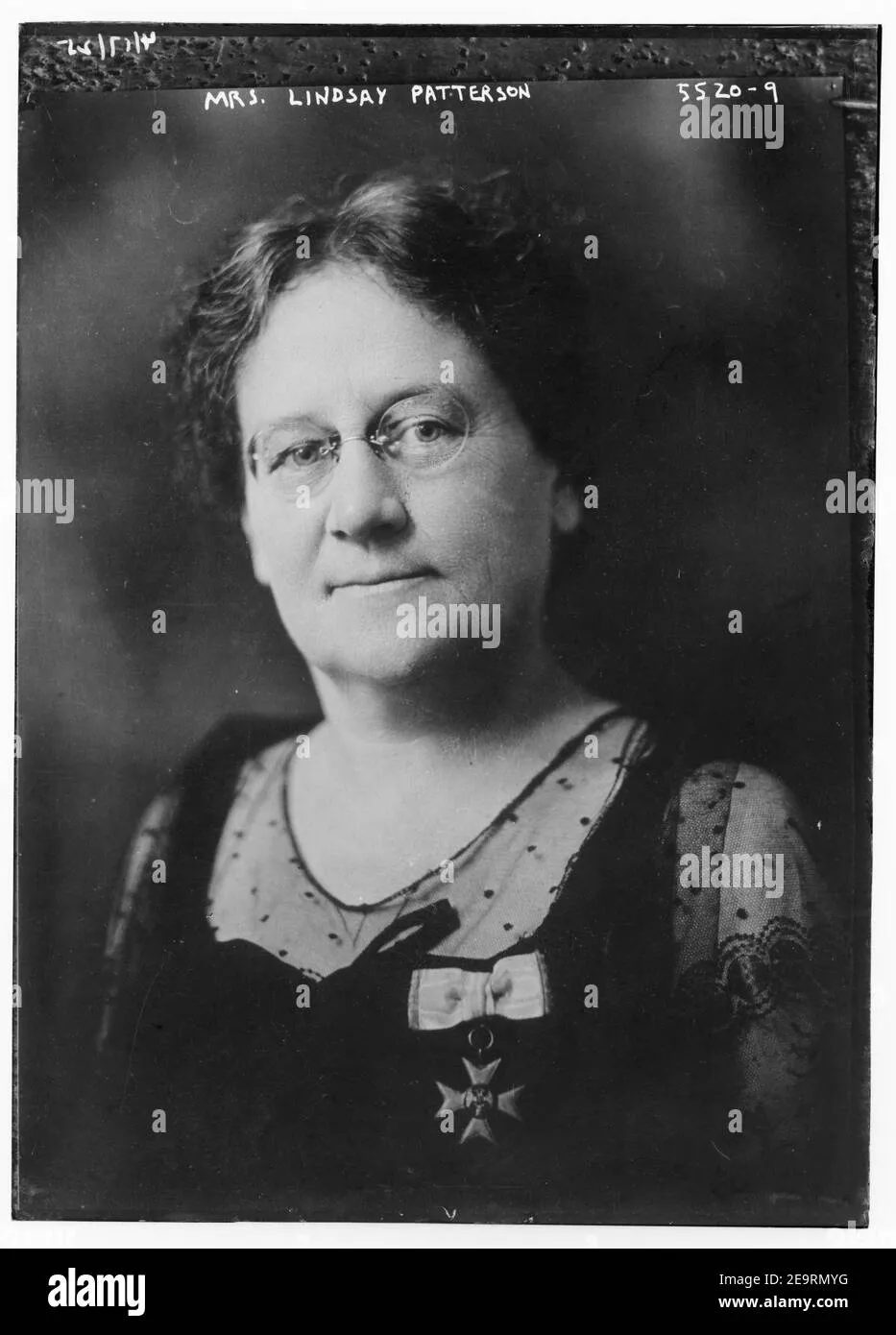 Photo: Mrs Patterson, via c8.alamy.com
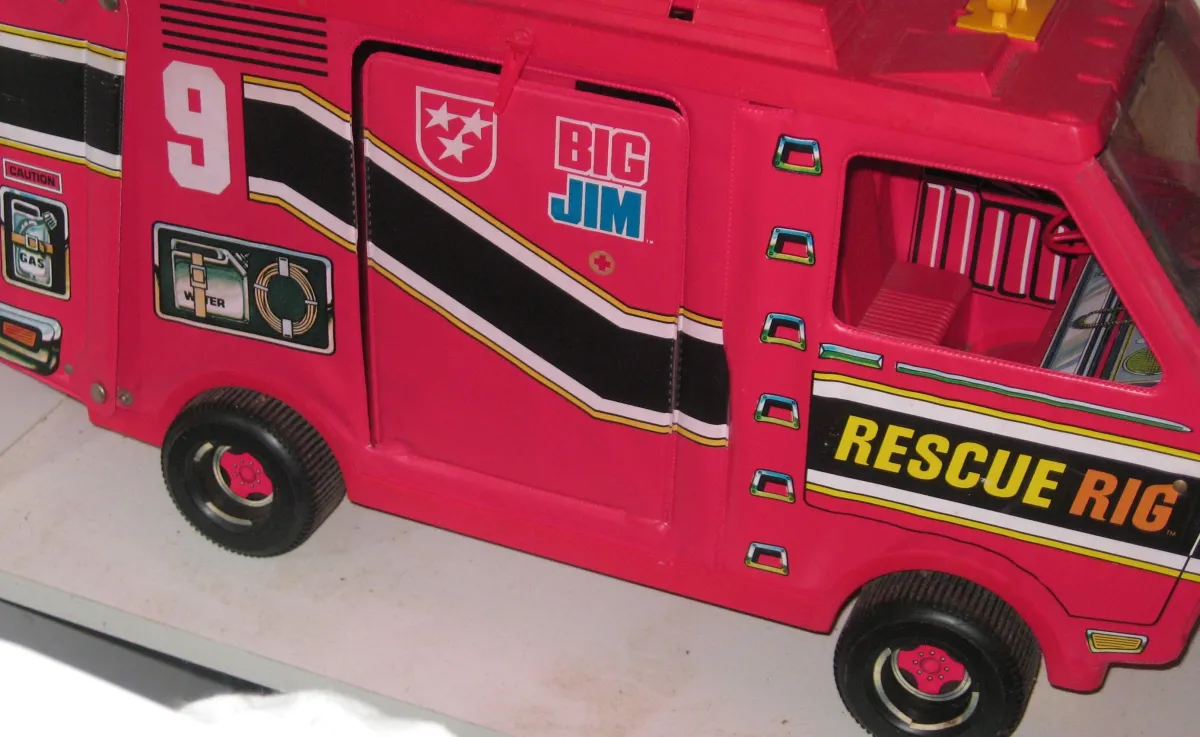 Photo: Big Jim, via flashbak.com
 Photo: Dog & Duck, via www.raquelsreviews.com
This wasn't about reservation cards or booking systems. It was about something far more fundamental: the quiet understanding that in a world where most spaces belonged to someone else, this small corner of Britain was yours.
The Unspoken Rules
The regulars' table operated on principles that would make constitutional lawyers weep with envy. Rights were earned through consistency, respect, and the simple act of turning up. Miss three consecutive weeks without explanation, and your claim might weaken. Show up every night for a month, and gradually, imperceptibly, a space would open for you.
Younger drinkers learned the geography through careful observation. You didn't march up to Big Jim's table and plonk yourself down — not unless you fancied a masterclass in withering looks and pointed throat-clearing. Instead, you found your own patch, usually somewhere in the middle distance, and began the long process of earning your place in the pub's social architecture.
The landlord was the ultimate arbiter of these territorial disputes, though his intervention was rarely needed. A raised eyebrow here, a strategic glass collection there, and the natural order would reassert itself. Good publicans understood that managing these invisible boundaries was as crucial as keeping the beer fresh and the books balanced.
More Than Furniture
What outsiders never grasped was that the regulars' table wasn't really about the furniture at all. It was about identity, continuity, and the profound human need to belong somewhere. When Big Jim settled into his corner each evening, he wasn't just occupying a seat — he was taking his place in a community that had shaped itself around his presence.
These arrangements created a sense of ownership that extended far beyond the physical space. Regulars didn't just drink at their pub; they invested in it emotionally, financially, and socially. They brought in new punters, settled disputes, and provided the steady custom that kept the lights on during lean periods. In return, they received something money couldn't buy: a place in the world that was genuinely theirs.
The regular's table was where life's great dramas played out in miniature. Births were celebrated, deaths mourned, and everything in between dissected with the kind of attention that would shame a parliamentary select committee. These weren't random gatherings of people who happened to drink in the same building — they were communities with their own histories, hierarchies, and unbreakable bonds.
The Great Displacement
Sometime in the past two decades, this delicate ecosystem began to collapse. The reasons are complex and interconnected: chain pubs that treated customers as units rather than individuals, the rise of food service that prioritised table turnover over social cohesion, and a broader cultural shift towards mobility over stability.
Modern pub management often views the regulars' table as inefficient. Why should the same four people occupy prime real estate every night when that space could be generating revenue from different customers? It's a perfectly logical business decision that misses the point entirely. Those four regulars weren't just occupying space — they were creating the atmosphere that drew others in.
The gastro-pub revolution accelerated this decline. Suddenly, every surface needed to be available for diners, every corner optimised for maximum throughput. The idea that some tables might remain empty until their rightful occupants arrived became anathema to the new efficiency-driven model.
What We Lost
When the regulars' table disappeared, it took with it something irreplaceable: the sense that ordinary people could have genuine ownership over a piece of their community. This wasn't ownership in the legal sense, but something deeper — the knowledge that your presence mattered, that your absence would be noticed, and that your voice carried weight in the small but significant democracy of the local pub.
Today's pubs, for all their improvements in food quality and interior design, often feel like waiting rooms. You might have a pleasant evening, but you're unlikely to develop the deep-rooted sense of belonging that came with having your own corner of the world. We've traded the messy, complicated democracy of the regulars' table for the clean efficiency of table management systems, and wondered why our communities feel so fragmented.
The Empty Corners
Walk into any modern pub and you'll see the ghosts of what we've lost. That corner table that seems to attract no one in particular might once have been the beating heart of a community. The bar stools that remain perpetually empty could have been the seats where local wisdom was dispensed and neighbourhood disputes resolved.
We've convinced ourselves that progress meant making pubs more welcoming to everyone, but in doing so, we made them belong to no one. The regulars' table wasn't exclusive because it wanted to keep people out — it was inclusive because it showed newcomers what belonging looked like, and promised them that with time and commitment, they too could find their place.
The reserved sign may have disappeared, but the human need for belonging remains as strong as ever. We've simply moved it online, where our regular haunts are digital and our sense of community exists in the fragmented spaces between notifications. It's more convenient, perhaps, but it's also colder, lonelier, and infinitely more disposable than the corner table that waited for us, week after week, year after year.