Silent Farewell: When the Village Heart Stops Beating
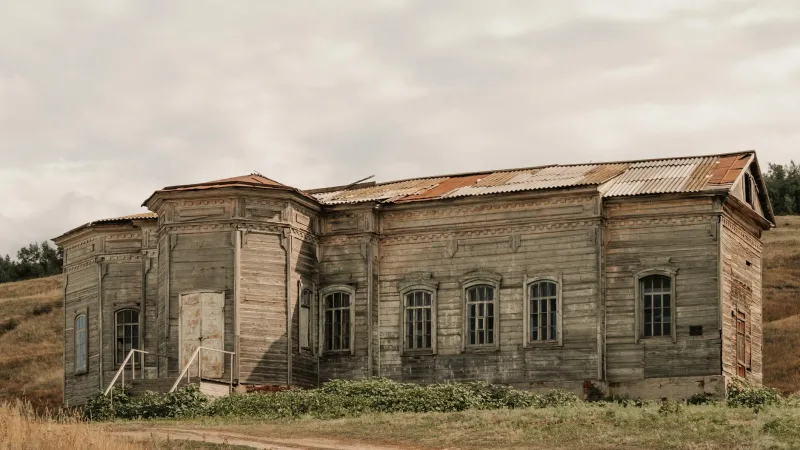
The Empty Chair at Britain's Table
Drive through any English village today and you'll see them: converted pubs wearing their former lives like ill-fitting clothes. The Wheatsheaf is now "Wheatsheaf House," complete with electric gates and gravel drives. The Red Lion sports a "Sold" sign that's been there so long it's become part of the landscape. These aren't just buildings changing hands—they're communities losing their beating hearts.
The statistics are sobering. According to CAMRA, we're losing 18 pubs per week across Britain, with rural establishments bearing the heaviest casualties. But numbers tell only part of the story. What they can't capture is the peculiar grief that settles over a village when its only gathering space disappears overnight.
Where Everybody Knew Your Name
Margaret Thompson still drives the long way round to avoid passing what used to be The Crown in Little Wickham. "Forty-three years I drank there," she tells me, her voice catching slightly. "Not every night, mind, but Fridays after work, Sundays after church. When my husband died, that's where the village came to find me. Now it's some banker's weekend retreat with solar panels."
The Crown closed in 2019, another casualty of rising rents and dwindling footfall. But Margaret's grief isn't really about the beer or even the building. It's about the loss of what sociologists call "third places"—those informal gathering spots that aren't home and aren't work, where communities actually become communities.
The Original Social Network
Before WhatsApp groups and Facebook pages, the village pub was where information flowed. Lost cats were discussed over morning coffee. Job opportunities were shared between pints. Local politics were debated and decided in the snug. The pub wasn't just serving drinks; it was hosting democracy in its most basic form.
"People don't realise what they've lost until it's gone," explains Dr. Sarah Mitchell, who studies rural communities at Oxford. "When a village loses its pub, it loses its shared living room. The informal networks that held these places together simply dissolve."
The Domino Effect
Without the pub as an anchor, other village institutions often follow. The post office, already struggling, loses the casual footfall from pub-goers. The village shop finds fewer customers lingering to chat. Community events that once relied on pub coordination simply stop happening.
In Thornbury, Gloucestershire, the closure of The Bell in 2018 had ripple effects nobody anticipated. The annual harvest festival, organised for decades over pints in the pub's back room, was cancelled. The football team, which had used The Bell as their unofficial headquarters, folded within six months. Even the parish council struggled to find a venue for meetings.
Converting Communities
The speed of these transformations is breathtaking. Planning laws that once protected pubs have been weakened, allowing developers to convert them to housing with minimal community consultation. What took generations to build as social infrastructure can be dismantled in months.
"One day you're having a quiet pint, the next day there's scaffolding up," recalls Tom Bradley, whose local in Oxfordshire became a four-bedroom detached house. "No farewell party, no last orders bell. Just gone."
The irony is palpable. In an age when politicians speak endlessly about community cohesion and mental health, we're systematically destroying the institutions that fostered both.
The Silence After
Perhaps most striking is what doesn't happen after a village pub closes. There's rarely a campaign to save it—by the time closure is announced, it's usually too late. There's no memorial service for the institution that hosted countless celebrations and commiserations. The village simply adjusts to the silence where conversation once flowed.
"It's like losing a family member," Margaret Thompson reflects. "Except there's no funeral, no proper goodbye. Just an empty space where your life used to have a centre."
As rural Britain continues to hollow out, each pub closure represents more than economic statistics. It's the quiet death of the idea that communities need shared spaces to survive. In our rush to modernise and monetise everything, we've forgotten that some things—like the simple act of neighbours gathering for a pint—can't be replaced by an app or a group chat.
The village pub was never just about the drinking. It was about belonging. And once that's gone, it's almost impossible to get back.