The Silent Handpump: How Britain's Beer Taps Forgot Their Voice
The Theatre of the Pull
There was a time when the landlord's approach to the handpump was pure theatre. The deliberate arc of the arm, the satisfying resistance of the pull, the gentle hiss as beer travelled through pipes that had been conditioning the ale for days. Punters would lean against the bar, watching the amber liquid climb through the glass, often offering unsolicited advice about the angle or commenting on the head formation. It was participatory drinking—a ritual that turned ordering a pint into a shared experience.
The handpump wasn't just functional; it was conversational. "What's the guest ale this week?" became the opening gambit for countless pub encounters. The answer might reveal the landlord's relationship with local breweries, spark a debate about hop varieties, or launch into stories about the brewery's history. These weren't beer bores showing off—they were neighbours sharing knowledge, creating the invisible threads that bound communities together.
When Guest Meant Guest
The rotating guest ale was the pub's way of keeping regulars curious and attracting the adventurous. A handwritten chalk board behind the bar might announce "Adnams Broadside" or "Timothy Taylor's Landlord," and suddenly the pub had something new to offer without changing its character. The guest beer system created a gentle rhythm of discovery—you might find your new favourite pint, or you might stick loyally to your usual, but the choice mattered.
This system also connected pubs to their regions in ways that seem almost quaint now. A pub in Yorkshire might proudly serve a guest ale from a microbrewery twenty miles away, creating a sense of place that extended beyond the four walls of the drinking room. The handpump became a conduit for local pride, a way of sampling the terroir of British brewing without leaving your neighbourhood.
The Craft Beer Coup
Somewhere in the last decade, the beer revolution declared war on tradition and won by stealth. Craft beer arrived with its sleek fonts, its Instagram-ready can art, and its promises of innovation. Suddenly, the handpump looked old-fashioned, its brass fittings and ceramic badges relics of a less sophisticated age. The new beer evangelists spoke of hop profiles and barrel-aging, dismissing cask ale as flat and boring.
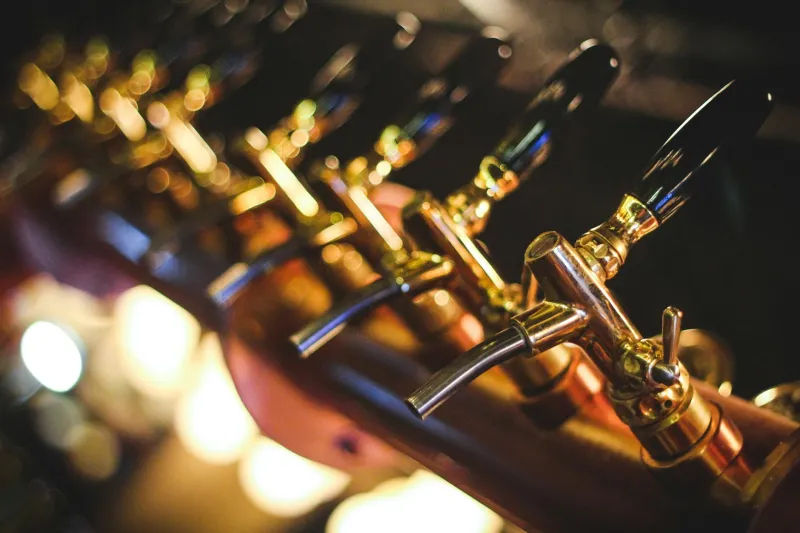
The irony is breathtaking. The craft beer movement, which claimed to champion authenticity and local production, systematically dismantled the most authentic beer service system Britain had ever developed. Cask ale, conditioned in the cellar and served at cellar temperature through handpumps, represented everything the craft movement supposedly stood for—yet it was swept aside for keg beers served through font taps that could have been lifted from any bar in Brooklyn or Berlin.
The Museum Piece Phenomenon
Visit a gastropub today and you might spot handpumps, but they're often decorative—brass ornaments that signal "authenticity" without actually functioning. When they do work, they're likely pulling the same mass-market bitter that's been on since the pub's last refurbishment. The guest ale board, if it exists at all, offers choices that could be found in any Wetherspoons from Cornwall to Cumbria.
This is the museumification of pub culture—keeping the visual symbols while draining them of meaning. The handpump becomes a prop in the performance of pub-ness, much like the horse brasses and sepia photographs of long-dead locals that decorate chain pubs. It looks right, but it's lost its soul.
The Social Cost of Simplification
The decline of the handpump represents more than changing drinking preferences—it's symptomatic of how we've streamlined the messiness out of social spaces. Cask ale was unpredictable; it could be brilliant or disappointing, and either outcome gave drinkers something to discuss. The landlord's skill in keeping the beer properly affected the experience, creating a relationship between publican and punter that went beyond simple service.
Keg beer, for all its consistency, offers no such variables. The beer tastes the same whether it's poured in Manchester or Margate, eliminating the local character that made pub-going an exploration rather than mere consumption. When we removed the possibility of a bad pint, we also removed the joy of discovering an exceptional one.
The Lost Language of Beer
The handpump era created its own vocabulary—"bitter," "mild," "best," "special"—words that carried meaning beyond their literal definitions. A pint of "best" wasn't necessarily better than anything else; it was the brewery's flagship, the beer that represented their house style. This language created belonging; understanding it marked you as an insider, someone who knew how pubs worked.
Craft beer brought its own terminology—"DIPA," "session IPA," "sour"—but this new language feels borrowed from elsewhere, imported from American brewing culture rather than grown from British soil. It's precise but cold, informative but not inclusive.
What We Pulled Away
The handpump's decline reflects our broader retreat from anything that requires patience or local knowledge. We've chosen convenience over character, consistency over conversation. The result is pubs that serve perfectly adequate beer in spaces that feel increasingly generic, places where you can drink but struggle to belong.
The handpump, in its pomp, was never just about beer—it was about the stories beer could tell, the conversations it could start, the connections it could forge between strangers who happened to share a taste for properly kept ale. Its silence in the modern pub is the sound of another conversation ending, another reason to stay home and scroll through our phones instead of leaning against a bar and talking to the person next to us.
In killing the handpump, we didn't just change how we serve beer—we severed another link between the pub and its community, making both a little more hollow in the process.