Status Update: Britain Logged Off From Real Life
The Algorithm That Killed Community
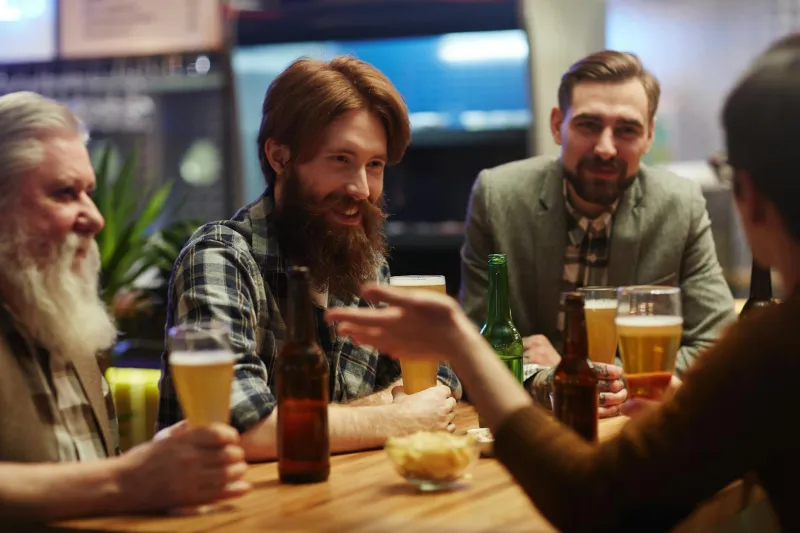
Somewhere between MySpace and the metaverse, Britain made a catastrophic trade. We swapped the finest social network ever invented – the local pub – for a collection of apps that promise connection but deliver isolation. We deleted the app that actually worked and downloaded a thousand that don't.
The numbers tell a story that should terrify anyone who cares about the fabric of British society. We're closing pubs at a rate of two per day while spending an average of four hours daily staring at our phones. We've got more ways to communicate than ever before, yet loneliness has become a public health crisis requiring government intervention. The maths doesn't add up, unless you understand what we've really lost.
The Original Social Network
Before Facebook had a wall, pubs had four of them. Before Twitter had trending topics, the local had the bloke at the end of the bar who knew everything about everyone. Before Instagram had stories, the pub had actual stories – the kind that improved with each telling and bound communities together through shared mythology.
The genius of the pub as a social network wasn't just that it connected people, but how it connected them. There were no privacy settings because everything was gloriously public. No echo chambers because you couldn't control who wandered through the door. No blocking function because you had to learn to get along with people you didn't necessarily like.
It was messy, inefficient, and absolutely brilliant.
The Democracy of the Dartboard
Consider the social architecture of a traditional British pub. The dartboard didn't discriminate – the company director and the binman could find themselves on the same team, bonded by their mutual inability to hit double top. The bar itself was a great equaliser where conversations flowed as freely as the beer, crossing class lines that seemed impermeable everywhere else.
"You'd get the strangest friendships forming," remembers Colin Hart, who ran The Wheatsheaf in Wigan for forty-three years before retiring last summer. "I watched a retired headmaster become best mates with a scaffolder over their shared passion for arguing about cricket. Neither of them would have met otherwise, but the pub threw them together week after week until they couldn't imagine life without their Tuesday night debates."
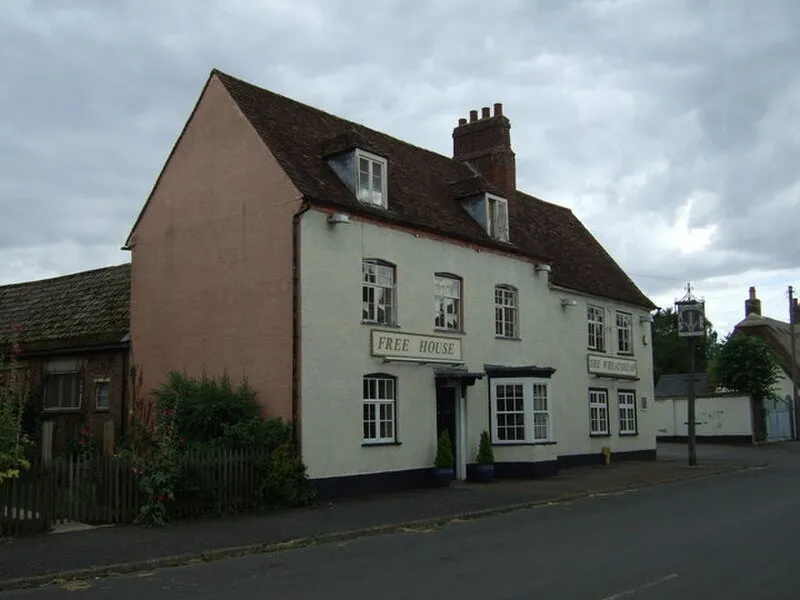 Photo of The Wheatsheaf, via Wikidata/Wikimedia Commons
That's the magic algorithm no tech company has ever cracked: how to create genuine serendipity. How to make strangers into friends through nothing more sophisticated than proximity, patience, and a shared appreciation for a well-pulled pint.
The Landlord as Social Media Manager
Every great pub had its curator – the landlord or landlady who understood their role wasn't just to serve drinks but to orchestrate human connection. They were part bartender, part therapist, part gossip columnist, and part bouncer. They knew when to listen, when to intervene, and when to quietly suggest someone had probably had enough.
"A good landlord was like a social media manager before social media existed," explains Dr. Sarah Williams, a sociologist at Manchester University who's spent years studying pub culture. "They curated conversations, managed conflicts, and created an environment where people felt safe to be vulnerable. They were the human algorithm that made it all work."
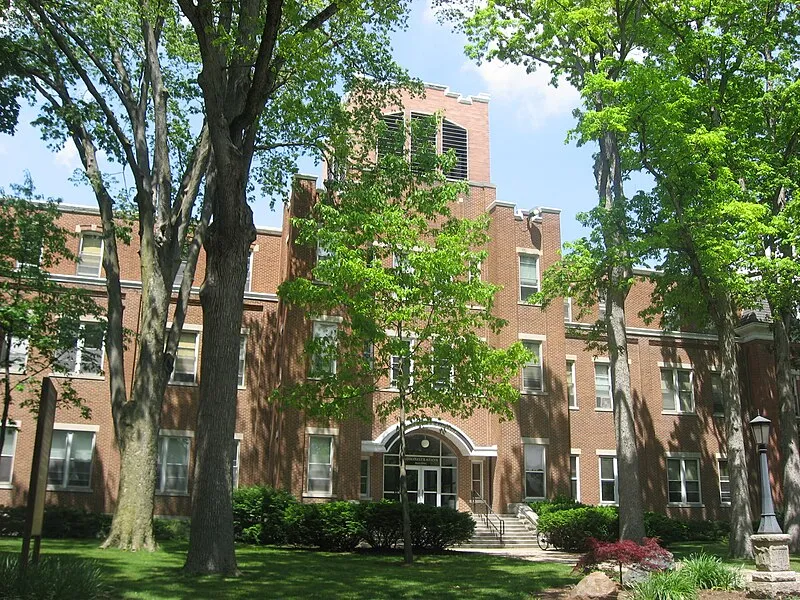 Photo of Manchester University, via Wikidata/Wikimedia Commons
The best landlords had an almost supernatural ability to read the room. They knew which regulars needed cheering up, which combinations of customers might spark trouble, and how to defuse tension with a well-timed joke or a strategic offer of complimentary pork scratchings.
What WhatsApp Can't Replace
Modern technology promises to recreate this magic through group chats and social media, but it's a pale imitation of the real thing. WhatsApp groups are brilliant for coordinating logistics but hopeless at creating the spontaneous moments that make friendships special. You can't accidentally overhear a fascinating conversation in a text thread. You can't buy someone a drink through Instagram.
The pub forced us into what psychologists call "weak tie" relationships – connections with people who weren't close friends but weren't strangers either. These relationships are crucial for mental health and social cohesion, but they're the first casualties of our increasingly digital lives.
"Your weak ties were the postman who always had time for a chat, the regular at the pub who you only knew as 'Dave from the brewery,' the woman who walked her dog at the same time as you," explains Williams. "These relationships provided a sense of belonging and community that didn't depend on deep intimacy. Social media can't replicate that because it's either total strangers or your closest friends – there's no middle ground."
The Loneliness Epidemic
The timing isn't coincidental. As pub culture has declined, loneliness has exploded. The Campaign to End Loneliness estimates that 3.8 million people in the UK are chronically lonely – a number that would have been unthinkable in the era when every neighbourhood had its local.
We've created a generation that's expert at managing their online presence but hopeless at the basic human skill of talking to strangers. Young people who can navigate TikTok with their eyes closed freeze up when asked to order a drink from a real human being.
"The pub taught you social skills you couldn't learn anywhere else," argues Tom Bradley, a 67-year-old retired teacher from Blackpool. "How to read body language, how to join a conversation without being intrusive, how to disagree with someone without falling out. My grandson can write the perfect tweet but can't make small talk with the person sitting next to him on the bus."
The Rituals We've Lost
The pub wasn't just about drinking – it was about ritual. The round system taught generosity and reciprocity. The closing time rush created shared urgency. The lock-in after hours fostered intimacy and trust. These weren't just quaint traditions; they were sophisticated social technologies that built community bonds.
Modern social media tries to gamify human connection through likes, shares, and comments, but these pale imitations can't match the rich complexity of pub rituals. There's no digital equivalent to the moment when someone you barely know offers to buy you a drink after you've had a rough day.
The Path Back
The tragedy isn't just that we've lost our pubs – it's that we've forgotten what they were really for. They weren't just places to drink; they were the beating heart of community life, the place where democracy happened at ground level, where the social contract was negotiated one conversation at a time.
We can't turn back the clock, but we can acknowledge what we've lost and ask ourselves some uncomfortable questions. If we're so connected, why do we feel so alone? If we have access to all human knowledge, why do we seem to understand each other less? If we can communicate instantly with anyone in the world, why have we stopped talking to our neighbours?
The answers might be found not in the next app update, but in remembering what worked about the old ways. Before we had notifications, we had conversation. Before we had followers, we had friends. Before we had the internet, we had the pub.
And perhaps, if we're very lucky, we might remember how to find our way back to each other.