The Beermat Philosophers: When Real Wisdom Came with a Pint
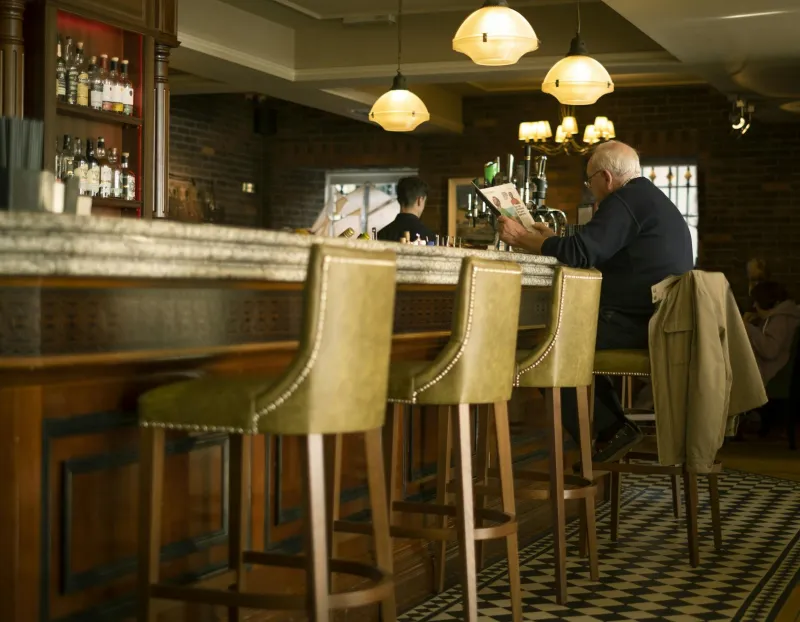
The Original Think Tank
Long before TED talks and motivational podcasts, Britain had its own network of wisdom centres. They were called pubs, and they operated on a simple principle: real advice came from real people who'd actually lived through whatever mess you were facing. No qualifications required, no hourly rates charged, just the unvarnished truth dispensed over a pint by someone who'd been there, done that, and lived to tell the tale.
The pub was where you went when your marriage was falling apart, when the boss was making your life hell, or when you couldn't work out if you should take that job in Coventry. You didn't book an appointment or fill out a questionnaire. You just turned up, ordered a drink, and waited for the conversation to naturally drift towards whatever was eating at you.
The Curriculum of Common Sense
Every pub had its resident philosophers, though they'd have laughed at being called that. There was always the bloke who'd run his own business into the ground and could spot a dodgy deal from three postcodes away. The woman who'd raised five kids on a shoestring budget and could stretch a pound note until it screamed. The old-timer who'd worked every job going and knew which bosses were worth working for and which ones would have you updating your CV within a month.
These weren't life coaches with certificates on the wall. They were people who'd learned their lessons the hard way and weren't shy about sharing them. Their advice came without sugar-coating or corporate speak. If you were being an idiot, they'd tell you. If your partner was taking the piss, they'd say so. If that business idea was mental, you'd know about it before you'd finished your first pint.
The beauty of pub wisdom was its brutal honesty. Nobody was trying to sell you anything or build their personal brand. They were just ordinary people who'd made their share of mistakes and wanted to save you from making the same ones.
The Lost Art of Straight Talking
Walk into any modern coffee shop or co-working space, and you'll hear conversations about 'optimising your potential' and 'manifesting your best life.' It's all very positive and affirming, but it's also complete bollocks. The pub never dealt in motivational platitudes or toxic positivity. If you were heading for disaster, someone would tell you straight.
That directness came from a place of genuine care. These weren't strangers offering generic advice they'd read in a book. These were your neighbours, your mates, people who'd known you since you were causing trouble at the youth club. They'd seen you make good decisions and terrible ones, and they weren't about to let you walk into another car crash without saying something.
The pub's wisdom was also democratically distributed. The postman might have the best advice about dealing with difficult customers. The dinner lady could offer insights into managing money that would put financial advisors to shame. Age, education, and social status meant nothing when it came to life experience. Everyone had something valuable to contribute.
When Algorithms Replaced Empathy
Now we get our guidance from apps that track our mood and websites that promise to solve our problems in seven easy steps. We've replaced the messy, complicated business of human connection with clean, efficient digital solutions. But algorithms don't know that your dad was a gambling addict or that you've always been rubbish with money. They can't read your face and know when you're lying to yourself.
The pub's advice came with context, delivered by people who understood not just your problem but your entire situation. They knew your history, your weaknesses, your blind spots. More importantly, they cared about the outcome in a way that no AI chatbot ever could.
The Wisdom We've Lost
What we've lost isn't just access to good advice – it's the entire ecosystem that created and shared that wisdom. The pub was where experience was passed down, where lessons learned were transformed into communal knowledge. It was Britain's original social network, built on real relationships rather than digital connections.
The regulars who dispensed this wisdom weren't trying to build their follower count or monetise their insights. They were simply doing what humans have always done: looking out for each other. That generosity of spirit, that willingness to share hard-won knowledge without expecting anything in return, was one of the pub's greatest gifts to our communities.
The Price of Progress
We've replaced the pub's rough-hewn philosophy with polished wellness culture and wonder why we feel more lost than ever. We've traded honest conversation for curated content, authentic relationships for algorithmic recommendations. We've gained efficiency and lost humanity.
The beermat philosophers didn't have all the answers, but they understood something our digital age has forgotten: sometimes the best advice comes not from experts with credentials but from ordinary people who've simply lived long enough to recognise the patterns. In losing our locals, we didn't just lose a place to drink. We lost our last great repository of common sense, dispensed with uncommon generosity by people who understood that wisdom shared is wisdom multiplied.