The Disappeared: Where Did All the Pub Characters Go?
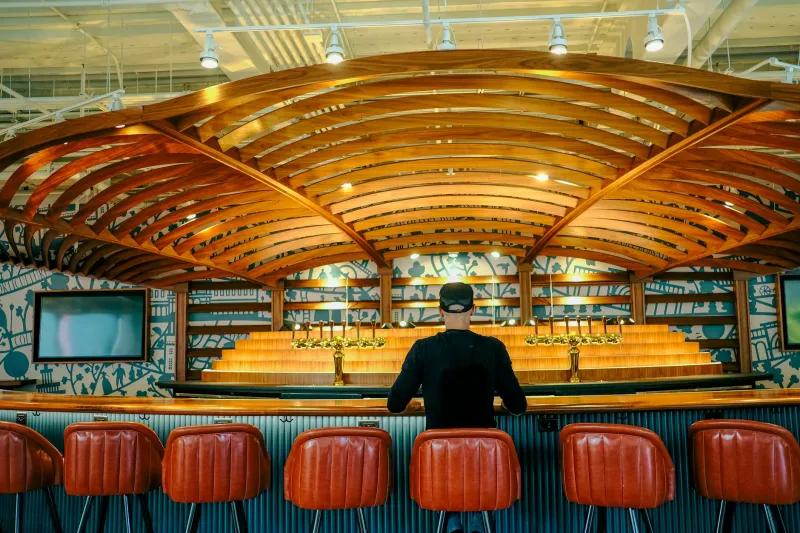
The Cast of Characters We've Lost
Walk into any surviving pub on a Tuesday evening and you'll notice something immediately: the silence. Not just the absence of conversation, but the absence of characters. The kind of people who made your local feel less like a business and more like a living, breathing community centre.
Every proper boozer used to have them. There was always the bloke who arrived bang on opening time, claimed the same stool, and held court until closing. The woman who knew everyone's business but somehow made gossip feel like care. The retired teacher who'd help your kid with homework over a bag of crisps. The ex-squaddie whose war stories grew more elaborate with each telling, but nobody minded because they were bloody good stories.
These weren't just customers — they were the unpaid staff who made a pub feel like home. They welcomed newcomers, mediated disputes, and provided the kind of continuity that turned a drinking establishment into the beating heart of a neighbourhood.
More Than Just Drinkers
The thing about pub regulars was that they served a function beyond just propping up the bar. They were the unofficial historians of their patch, the keepers of local knowledge, the connective tissue that held communities together. Need to know which plumber wouldn't rob you blind? Ask Jim at the bar. Wondering about the history of that demolished factory? Maureen could tell you stories her father passed down.
They were also the early warning system for when things went wrong. If old Fred hadn't been in for three days, someone would check on him. If young Sarah looked upset, someone would ask what was up. The pub regular wasn't just a customer; they were part of an informal social care network that actually worked.
But here's the brutal truth: when their locals closed down, these characters didn't just find another pub. Many of them simply disappeared from public life altogether. The social infrastructure that supported them — the daily routine, the sense of purpose, the community recognition — vanished overnight.
The Economics of Character
The modern pub industry doesn't have room for characters. Today's hospitality model is built around quick turnover, maximum efficiency, and predictable profit margins. The old-fashioned regular who nursed two pints across four hours while entertaining half the pub with stories doesn't fit the spreadsheet.
Meanwhile, the gastropub revolution actively discouraged the kind of people who made traditional locals special. Who wants to hear Derek's opinions about the football while you're trying to enjoy your £18 sea bass? The new model demanded a different kind of customer — one with more money and less personality.
Even the pubs that survived the cull changed their character completely. The smoking ban scattered the storytellers to the beer garden. The music got louder, drowning out conversation. The furniture got uncomfortable, discouraging lingering. The prices went up, pricing out pensioners and the unemployed — precisely the people who had the time and inclination to be proper regulars.
Where They Went
So where did all these characters go? Some retreated to their homes, trading the warmth of human company for the cold comfort of daytime television. Others found refuge in working men's clubs, though many of those have closed too. A few discovered Wetherspoons, but it's hard to be a character in a barn-sized chain pub where the staff change every six months and nobody knows your name.
The lucky ones found new locals that still operated on the old model — usually rough around the edges, definitely not gastro, often hanging on by their fingernails. But for every character who found a new home, ten others simply faded away, taking their stories and their community knowledge with them.
The Social Cost
What we lost when we lost the pub characters wasn't just entertainment — it was an entire social structure. These people were the bridges between generations, the repositories of local wisdom, the unofficial mayors of their patches. They provided something that no app or social network can replicate: authentic, face-to-face human connection rooted in place and continuity.
Young people today grow up without ever meeting these kinds of characters. They don't learn how to talk to older generations, how to listen to stories, how to be part of a community that extends beyond their immediate peer group. We've created a generation that's incredibly connected online but has never experienced the particular warmth of being a regular somewhere.
What's Left Behind
The saddest part isn't just that we've lost these characters — it's that we've lost the understanding of why they mattered. Modern Britain seems to have convinced itself that efficiency and progress require the elimination of anything that can't be measured or monetised. But the value of the pub character was never economic; it was social, cultural, human.
When the last regular finally gives up and stops coming in, when the stories stop being told and the connections stop being made, we don't just lose customers. We lose the very thing that made our locals feel like living rooms rather than just places to buy alcohol. We lose the irreplaceable magic of genuine community.
The characters are still out there, scattered and isolated. But without their stage, without their audience, without their purpose, they're not characters anymore. They're just lonely people, and we're all poorer for it.