The Pub Clock That Was Always Fast: How Britain's Greatest Time Trick Vanished
The Gentle Deception Above the Bar
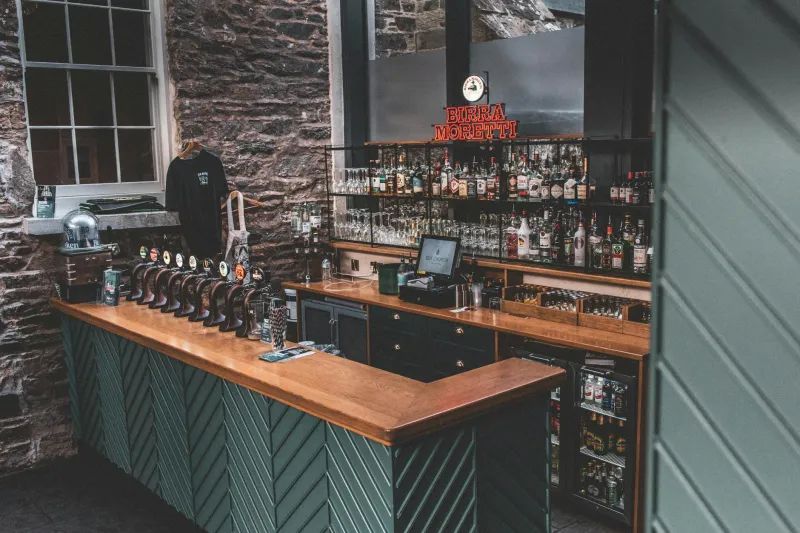
Every proper British pub had one. Mounted high above the optics, usually in a brass frame that had seen better decades, sat a clock that told beautiful lies. Not malicious ones — the sort of gentle, communal fiction that made life a bit more bearable. The pub clock was always fast. Five minutes, sometimes ten. Everyone knew it, nobody mentioned it, and somehow that made all the difference.
It was theatre of the most British kind: understated, practical, and built on the understanding that sometimes reality needed a gentle nudge in the right direction. The landlord wound it forward when he first hung it, and there it stayed, a faithful guardian of borrowed time, helping generations of drinkers navigate the treacherous waters between 'one more' and 'time to go.'
The Unspoken Contract
The fast clock wasn't about deception — it was about dignity. When closing time approached and that familiar bell rang out across the bar, punters could glance up at the clock and feel they'd been given fair warning. The extra minutes weren't stolen from the evening; they were a gift from it. A buffer zone between the warm embrace of the pub and the cold reality of the street outside.
Landlords understood this delicate psychology better than any modern behavioural economist. They knew that abrupt endings bred resentment, that people needed time to mentally prepare for departure. The fast clock gave everyone — drinker and publican alike — a face-saving exit strategy. You weren't being thrown out; you were being gently reminded that all good things must end.
Regulars developed an almost supernatural awareness of their local's temporal peculiarities. Old Tom might know the Horse & Hounds ran seven minutes fast, whilst the Crown's timepiece was a generous ten minutes ahead. This knowledge became part of the pub's character, as distinctive as its bitter or the landlady's Sunday roast.
 Photo: Horse & Hounds, via c8.alamy.com
When Time Became Digital
The death of the fast clock wasn't sudden. It crept in with mobile phones and digital displays, with smart watches and GPS systems that synchronised themselves to atomic clocks. Suddenly, everyone carried Greenwich Mean Time in their pocket. The kindly fiction of the pub clock became impossible to maintain.
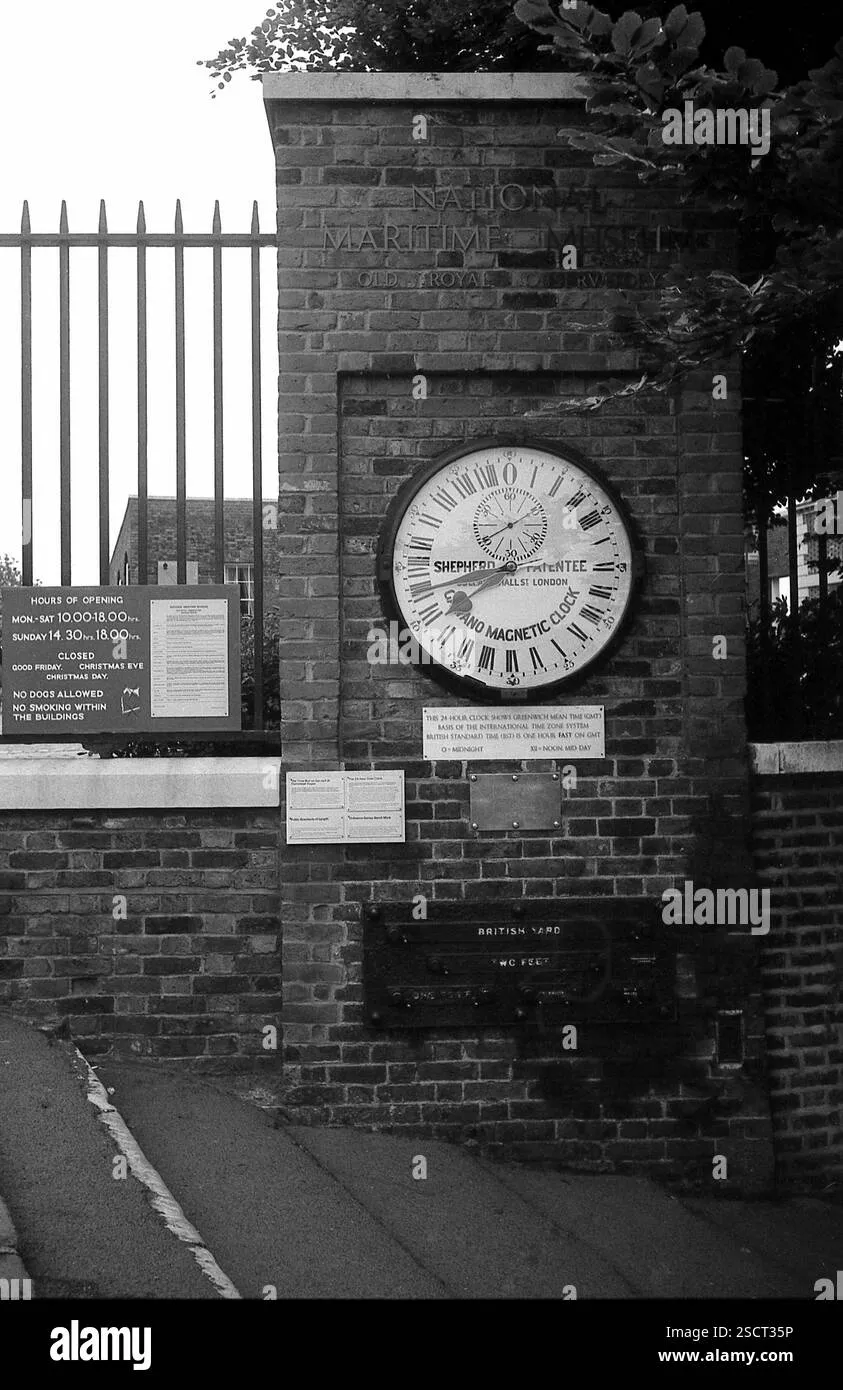 Photo: Greenwich Mean Time, via c8.alamy.com
Modern drinkers, armed with precisely calibrated timepieces, began to notice the discrepancy. Some even complained. 'Your clock's wrong, mate,' they'd point out helpfully, missing the point entirely. The magic wasn't in accuracy — it was in the shared understanding that sometimes being wrong was more right than being right.
Chain pubs were among the first to abandon the practice. Corporate policy demanded uniformity, accuracy, compliance with regulations. Digital clocks appeared, synced to central systems, displaying time with ruthless precision. The era of borrowed minutes was officially over.
The Psychology of Gentle Time
What we lost wasn't just a few extra minutes at the bar. We lost the understanding that time itself could be negotiable, that human institutions could bend reality slightly in service of kindness. The fast pub clock was a small rebellion against the tyranny of precise scheduling, a reminder that social time and clock time needn't always align.
In an age of calendar notifications and automated reminders, we've forgotten the value of gentle transitions. The pub clock's gift wasn't the extra time itself — it was the feeling that time could be generous, that the evening's end could approach gradually rather than slam down like a guillotine.
The Night That Never Quite Ended
The fast clock served another, subtler purpose. It allowed the night to stretch slightly beyond its official boundaries, creating a liminal space where the magic of the pub could linger. Those stolen minutes felt different — more precious, somehow, because they existed in the gap between official time and pub time.
Regulars would nurse their final pints in this borrowed time, reluctant to break the spell. Conversations that might have been cut short by the bell could reach their natural conclusion. The fast clock created space for proper goodbyes, for plans to be made, for the evening's stories to find their endings.
The Price of Precision
Today's pubs operate in a world of digital precision where every second is accounted for. Licensing authorities demand exact compliance, CCTV systems timestamp everything, and customers check their phones constantly. The gentle flexibility of the fast clock has no place in this regulated reality.
But something essential was lost in translation. The modern pub, for all its efficiency and compliance, struggles to recreate the warm temporal bubble that the fast clock helped create. We've gained accuracy and lost atmosphere. We know exactly what time it is, but we've forgotten how to make time feel generous.
The Last Fast Clock
Somewhere in Britain, there's probably still a pub clock running five minutes fast. Its landlord winds it carefully, maintaining a tradition that most of his customers don't even notice. It's a small act of rebellion against the digital age, a quiet insistence that some truths are more important than facts.
When that last fast clock finally gives way to digital precision, we'll have lost more than a timekeeping quirk. We'll have lost the understanding that institutions can be kind, that rules can bend in service of humanity, and that sometimes the most important time isn't the time on your phone — it's the time that feels right in your heart.