Tinsel and Tradition: When the Pub Was Britain's Christmas Cathedral
The Christmas That Came Early
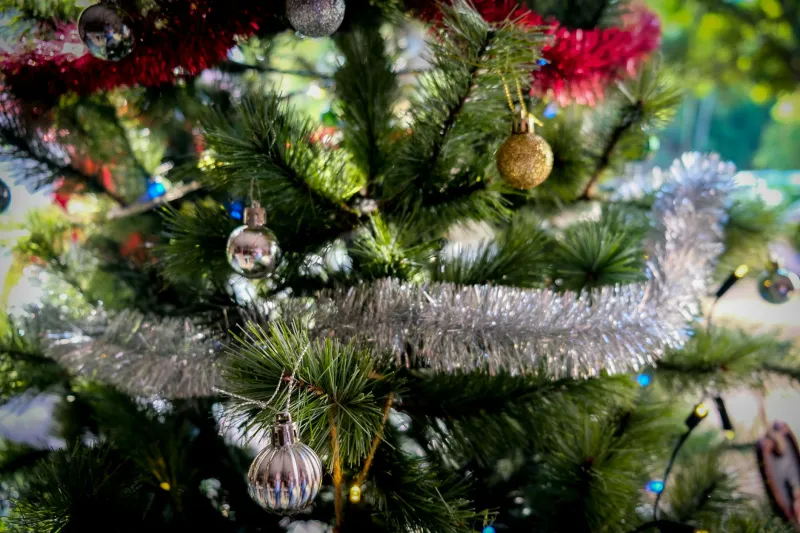
Walk past any British high street pub in December today, and you might catch a glimpse of half-hearted tinsel draped around the optics, perhaps a plastic Christmas tree squeezed into a corner. But this sanitised seasonal gesture bears no resemblance to what the pub Christmas once was — a months-long celebration that began the moment November's first frost appeared and didn't end until the last dregs of Boxing Day were drained from the barrel.
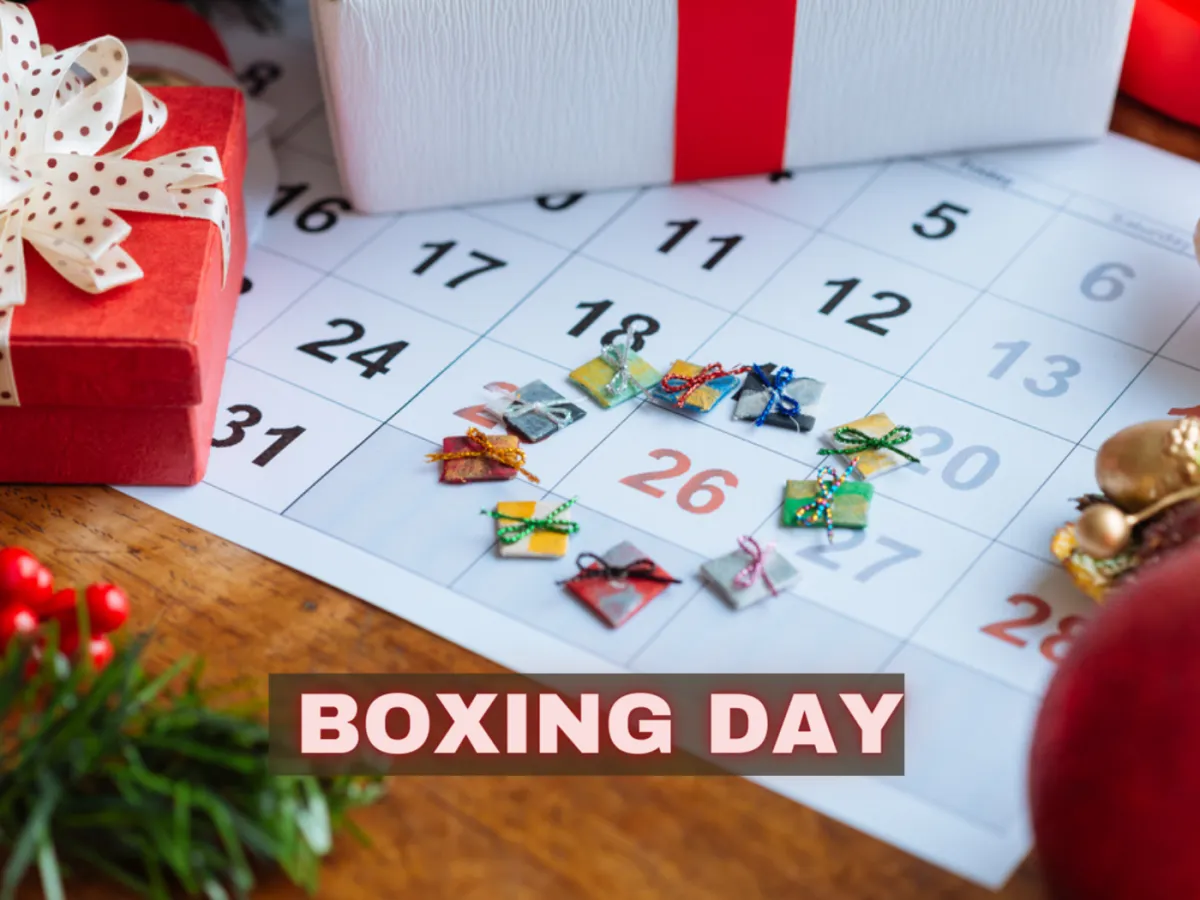 Photo: Boxing Day, via s.calendarr.com
The pub wasn't just decorated for Christmas; it was transformed into something approaching the sacred. Landlords would spend weeks preparing, not because some corporate manual demanded it, but because they understood their role as custodians of their community's most important gathering. The same hands that pulled pints would string lights around every beam, hang wreaths behind the bar, and arrange nativity scenes on windowsills that had watched over the same families for generations.
Where Strangers Became Family
There was a particular magic to the pub Christmas that no restaurant chain or corporate entertainment venue has ever managed to replicate. It lay in the alchemy of familiar faces mixing with seasonal visitors — the grown-up children returning home, the relatives from distant counties, the neighbours you'd nod to all year but never really spoke to until Christmas Eve brought you together at the same bar.
The conversation flowed differently in December. Barriers that held firm through eleven months of the year would dissolve in the warmth of mulled ale and shared anticipation. The quiet man from the corner would reveal himself as a former choirmaster, leading impromptu renditions of 'Silent Night' that transformed a room full of strangers into something approaching a congregation. The stern landlady would emerge from behind the bar with plates of homemade mince pies, refusing payment with a wave that said more about community spirit than any government initiative ever could.
 Photo: Silent Night, via vistapointe.net
The Architecture of Festive Memory
Every proper pub Christmas had its rituals, as fixed and sacred as any religious observance. There was the annual appearance of the Christmas ale — usually something dark and warming that appeared nowhere else on the calendar. There were the decorations that returned year after year, growing shabbier but more beloved with each December, creating a continuity that anchored the community's collective memory.
The Christmas cards pinned behind the bar told the story of the pub's extended family — regulars who'd moved away but still remembered where they belonged, local businesses acknowledging the pub's role as unofficial town hall, children's drawings from the landlord's grandkids mixing with formal invitations from the parish council. This wasn't decoration; it was biography, the visual history of a community written in tinsel and good intentions.
The Carol That Nobody Sings Anymore
Perhaps nothing captured the spirit of the pub Christmas quite like the singing. Not the polished performances of church choirs or school concerts, but the ragged, joyful noise of ordinary people sharing extraordinary moments. Someone would start humming 'White Christmas' after their third pint, others would join in, and before long the entire pub would be engaged in the kind of communal celebration that made strangers feel like family.
These weren't performances; they were participations. The bank manager's shaky baritone mixed with the postwoman's clear soprano, while the teenagers home from university provided harmonies they'd learned in halls of residence that could never compete with the warmth of their local. For those brief moments, the pub became what churches had once been — a place where community found its voice.
When Christmas Went Private
The death of the pub Christmas didn't happen overnight. It was gradual, almost imperceptible, like the slow dimming of lights that nobody quite notices until they're sitting in darkness. Office parties migrated to restaurants and hotels, offering professional service but losing the intimacy that made celebration meaningful. Family gatherings retreated behind front doors, becoming smaller, more controlled, ultimately lonelier.
The smoking ban played its part, sending the social smokers outside just as the evening was warming up. Drink-driving campaigns, however necessary, removed the spontaneity that once saw neighbours dropping in 'just for one' that became 'just until closing'. The rise of home entertainment meant that the pub's role as the only warm, lit gathering place in the village was no longer unique or necessary.
What We Lost in the Translation
Today's Christmas celebrations are undoubtedly safer, more organised, arguably more sophisticated. But something vital was lost in the translation from public to private celebration. The pub Christmas wasn't just about drinking; it was about belonging, about the deep human need to mark important moments in the company of others who shared your geography if not your blood.
The mince pies on the bar weren't just refreshments; they were communion wafers in a secular ritual that bound communities together. The carols sung by slightly drunk strangers weren't just entertainment; they were the sound of isolation being defeated by shared joy. The tinsel-draped optics weren't just decoration; they were the visual promise that this place, your place, was special enough to dress up for.
The Empty Space Where Wonder Used to Live
Walk past those same pubs today, and you'll see the ghost of what we've lost. The decorations are there, but they're corporate and careful. The mulled wine appears on the menu, but it comes from a packet rather than a recipe passed down from the previous landlord's wife. The Christmas spirit is acknowledged but not embodied, referenced but not lived.
We've replaced the messy, unpredictable magic of the pub Christmas with the controlled comfort of our own front rooms. We've traded the possibility of unexpected friendship for the certainty of curated guest lists. We've exchanged the warmth of shared tradition for the cool efficiency of online shopping and restaurant bookings.
And in doing so, we've lost something that no amount of technology or convenience can replace: the knowledge that Christmas, at its heart, was never about what we bought or consumed, but about who we became when we gathered together in the flickering light of a place that belonged to all of us.