The Two-Course Handshake: How Britain Lost Its Greatest Business Meeting
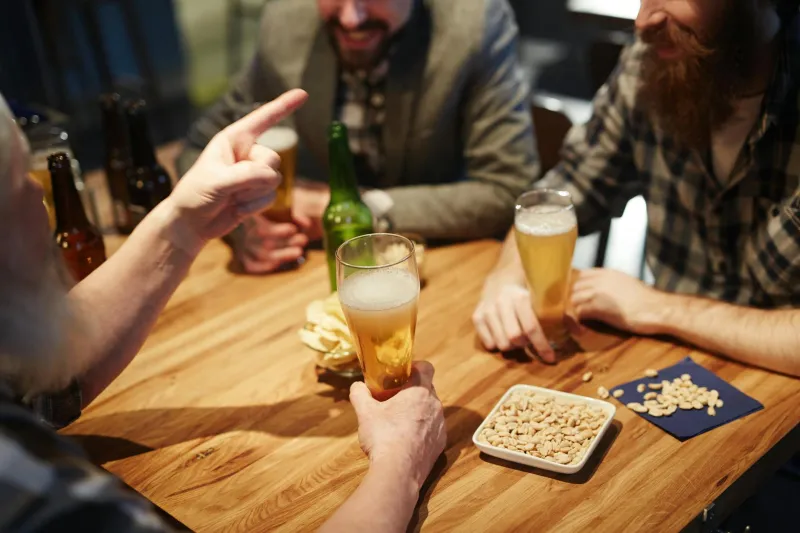
When Lunchtime Actually Meant Something
There was a time, not so long ago, when the phrase "fancy a quick one?" at twenty-past twelve wasn't an invitation to scandal — it was the most natural question in the British working vocabulary. The pub lunch wasn't just a meal; it was an institution as solid as the Houses of Parliament and considerably more productive.
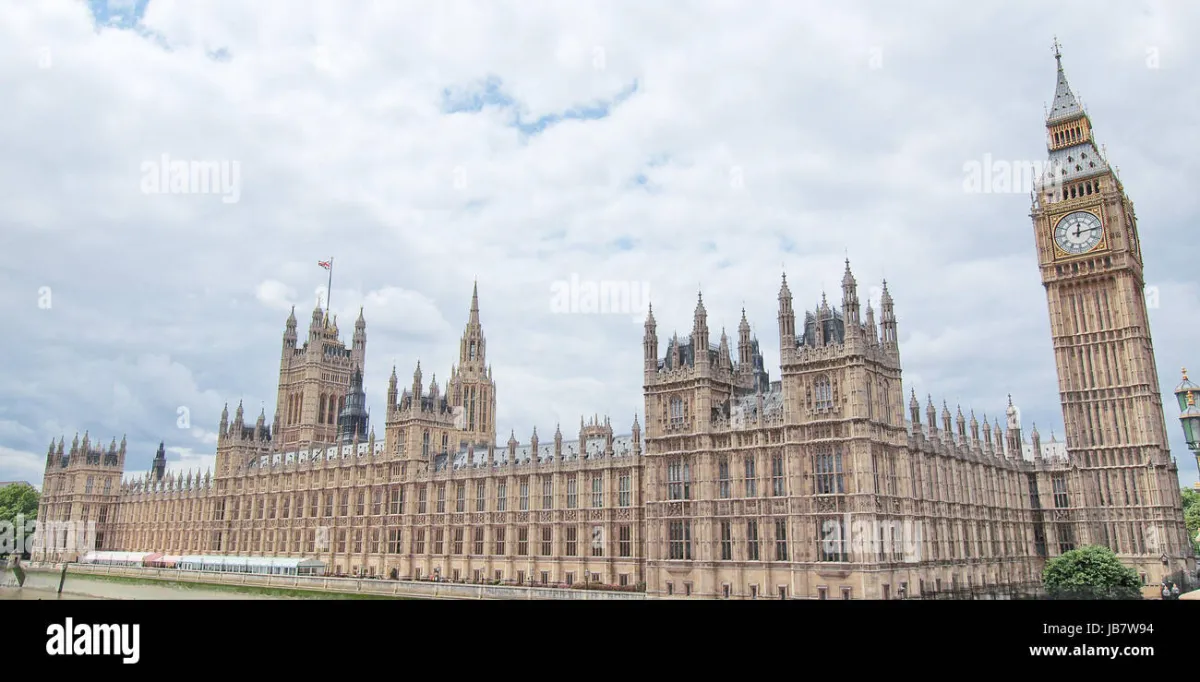 Photo: Houses of Parliament, via c8.alamy.com
Step into any decent boozer between half-twelve and two o'clock in 1985, and you'd witness something remarkable: grown men and women conducting serious business over proper food, with proper drinks, taking proper time. The accountant from the firm upstairs would be picking apart a steak and kidney pudding whilst explaining why the quarterly figures looked dodgy. The builder would be nursing his second pint whilst the architect sketched modifications on a beer mat. The bank manager — yes, they actually existed then — would be loosening his tie over fish and chips, finally admitting that the overdraft extension was possible after all.
The Alchemy of Alcohol and Appetite
What made the pub lunch so powerful wasn't just the food or the drink — it was the peculiar chemistry that happened when you combined both with a temporary escape from the office. Something magical occurred when you moved the conversation from a sterile meeting room to a place with character, with warmth, with the gentle lubrication of a well-pulled pint.
The pub lunch operated on a different temporal logic than the modern working day. It wasn't about efficiency or productivity metrics. It was about the slow burn of relationship-building, the gradual erosion of professional barriers, the gentle art of getting to know the person behind the business card. You couldn't rush a proper pub lunch any more than you could rush a good friendship.
Deals that might have taken weeks of formal meetings could be sorted over a single session of bangers and mash. Not because anyone was getting drunk — the pub lunch crowd were masters of the strategic half-pint — but because the environment stripped away the performative nonsense that clutters up most business interactions.
The Rise of the Sad Desk Sandwich
Somewhere along the way, we convinced ourselves that eating lunch at our desks made us look important. The sandwich — preferably something virtuous involving quinoa or kale — became the fuel of choice for the always-on economy. Lunch meetings moved to sterile chain restaurants with their identical fit-outs and joyless efficiency.
The open-plan office was the pub lunch's death warrant. When everyone could see exactly when you left and when you returned, the leisurely midday escape became impossible. The two-hour lunch became a one-hour lunch, then a thirty-minute refuel, then a desk-bound exercise in multitasking.
Wellness culture delivered the final blow. Suddenly, a midday pint wasn't a civilised pause — it was evidence of a drinking problem. The very idea of alcohol during working hours became not just unprofessional but practically criminal. We swapped the gentle social lubricant of a shared drink for the anxious efficiency of the protein shake.
What We Actually Lost
The death of the pub lunch cost us more than just a pleasant way to break up the day. It killed off a particular kind of business relationship — one built on genuine human connection rather than LinkedIn endorsements. The pub lunch was where you discovered that the intimidating CEO was actually passionate about restoring vintage motorcycles, or that the sharp-elbowed solicitor had a wicked sense of humour once you got her away from her desk.
These weren't just social niceties. They were the foundation of trust, and trust was the foundation of business. When you'd shared a laugh over a shepherd's pie, when you'd seen someone relax enough to tell a proper story, when you'd witnessed their genuine reaction to a well-crafted bitter — that person became more than just a professional contact. They became someone you could actually work with.
The Zoom Lunch Delusion
We tell ourselves we've replaced the pub lunch with video calls and coffee meetings, but it's not the same thing. You can't build the same kind of relationship over a screen that you could over a shared plate. The virtual lunch lacks the essential ingredients that made the pub version so effective: the neutral territory, the gentle distractions, the permission to be slightly less professional than usual.
The modern business lunch — when it happens at all — is a choreographed affair in restaurants that feel more like operating theatres than places where humans might actually enjoy themselves. Everything is optimised, sanitised, LinkedIn-ready. Nothing is left to chance, which means nothing genuinely interesting ever happens.
The Last of the Lunch Drinkers
There are still a few holdouts, of course. In certain industries, in certain parts of the country, you can still find the occasional pub hosting the occasional business lunch. But they're relics now, curiosities from a different era. The young professionals look at them with the same mixture of fascination and horror that previous generations might have reserved for Morris dancers.
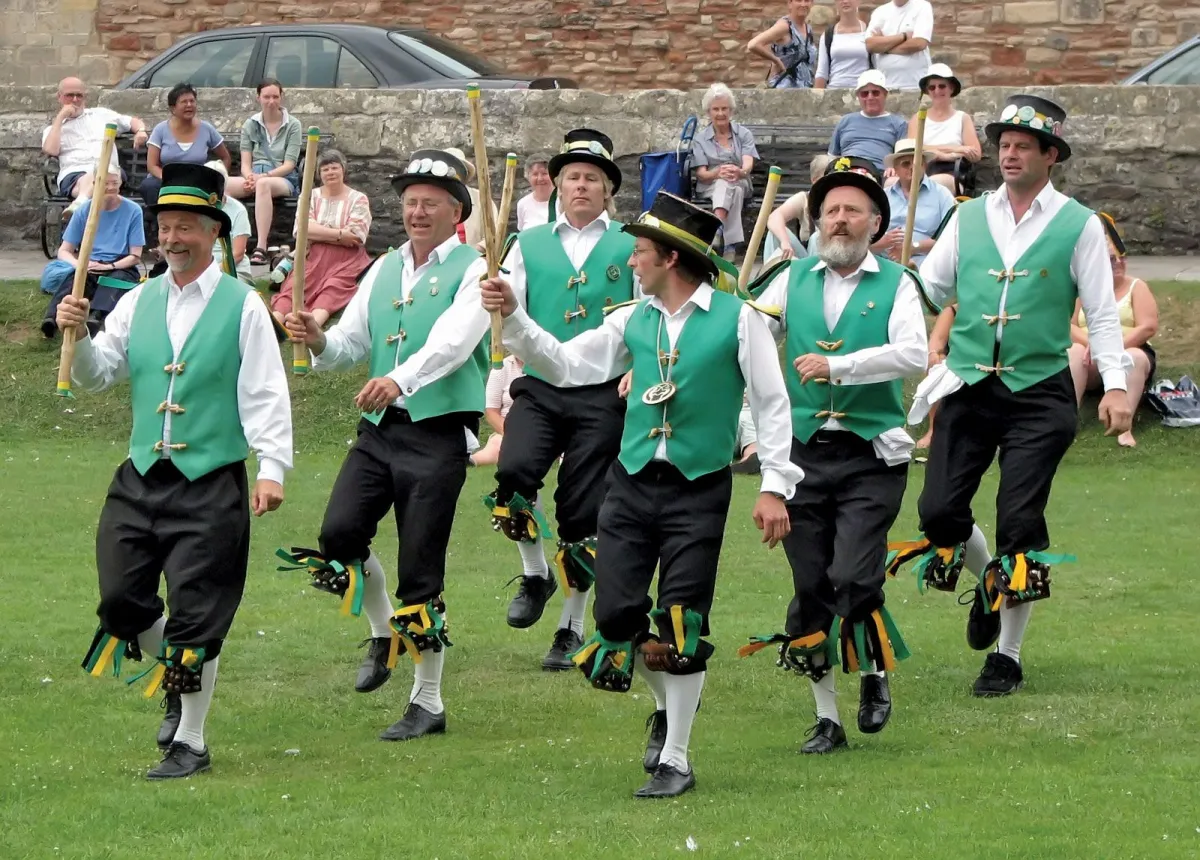 Photo: Morris dancers, via cdn.britannica.com
What they don't realise is that they're watching the last practitioners of an art form that once built careers, sealed deals, and created the kind of business relationships that lasted decades. The pub lunch wasn't just about food and drink — it was about taking the time to be human with each other, something that seems increasingly revolutionary in our always-on world.
We gained efficiency when we killed the pub lunch. We gained wellness metrics and productivity scores and the ability to answer emails whilst eating sad salads. What we lost was the art of the unhurried conversation, the skill of building trust over time, and the simple pleasure of conducting business like civilised human beings.
The desk sandwich might fuel the modern economy, but it will never build the relationships that actually make business worth doing.