The Unspoken Language: When Britain's Barstaff Could Read Hearts
The Art of Looking Without Seeing
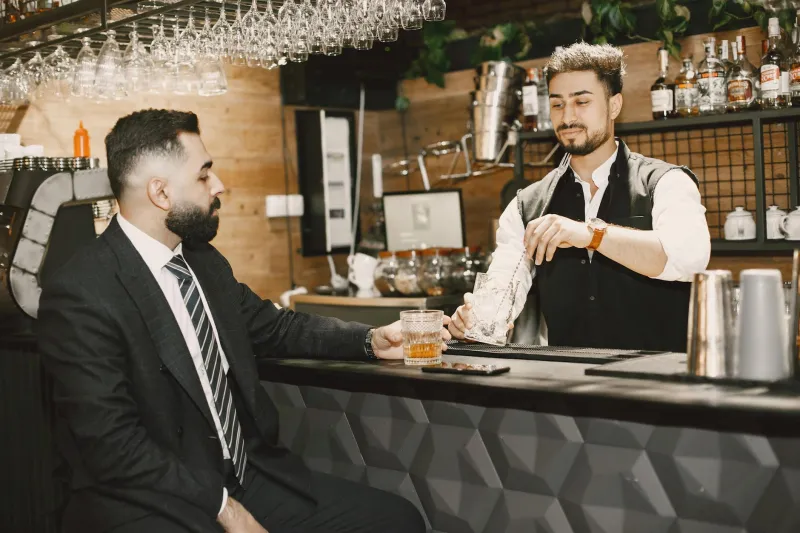
There was something almost mystical about the way Maureen could polish a glass whilst watching the entire pub through her peripheral vision. Behind the bar of The Crown & Anchor for twenty-three years, she'd developed what regulars called 'the sight' — an uncanny ability to know exactly when someone needed rescuing and when they needed protecting.
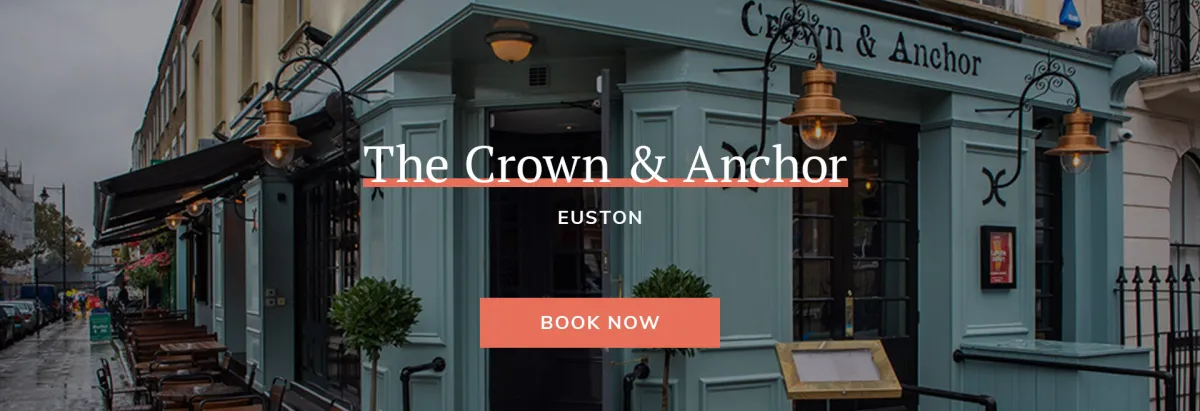 Photo: The Crown & Anchor, via www.thecrownandanchornw1.co.uk
You'd see it in action on any given Tuesday evening. Old Frank would shuffle in around half past seven, order his usual bitter, and position himself at the far end of the bar. Some nights, Maureen would drift over with a packet of scratchings and a gentle inquiry about his allotment. Other nights — the nights when Frank's shoulders carried that particular weight — she'd simply nod, pull his pint, and create an invisible bubble of space around him that nobody dared breach.
This wasn't customer service training. This was something deeper, more fundamental to the British pub experience. The best barstaff weren't just serving drinks; they were curating human dignity.
The Sanctuary Behind the Taps
Every proper pub had them — the walking wounded who'd found refuge in the amber glow of the public bar. Divorced dads on their first weekend alone. Widows marking another anniversary of absence. Blokes who'd been made redundant and couldn't face telling the missus just yet. The pub became their decompression chamber, and the barstaff became their unordained chaplains.
Jim behind the bar at The Railway Tavern could spot a man in crisis from fifty paces. Not through any special training or psychology degree, but through twenty years of watching human nature play out across his mahogany. He knew the difference between someone who wanted to talk and someone who wanted to disappear. More importantly, he knew how to facilitate both.
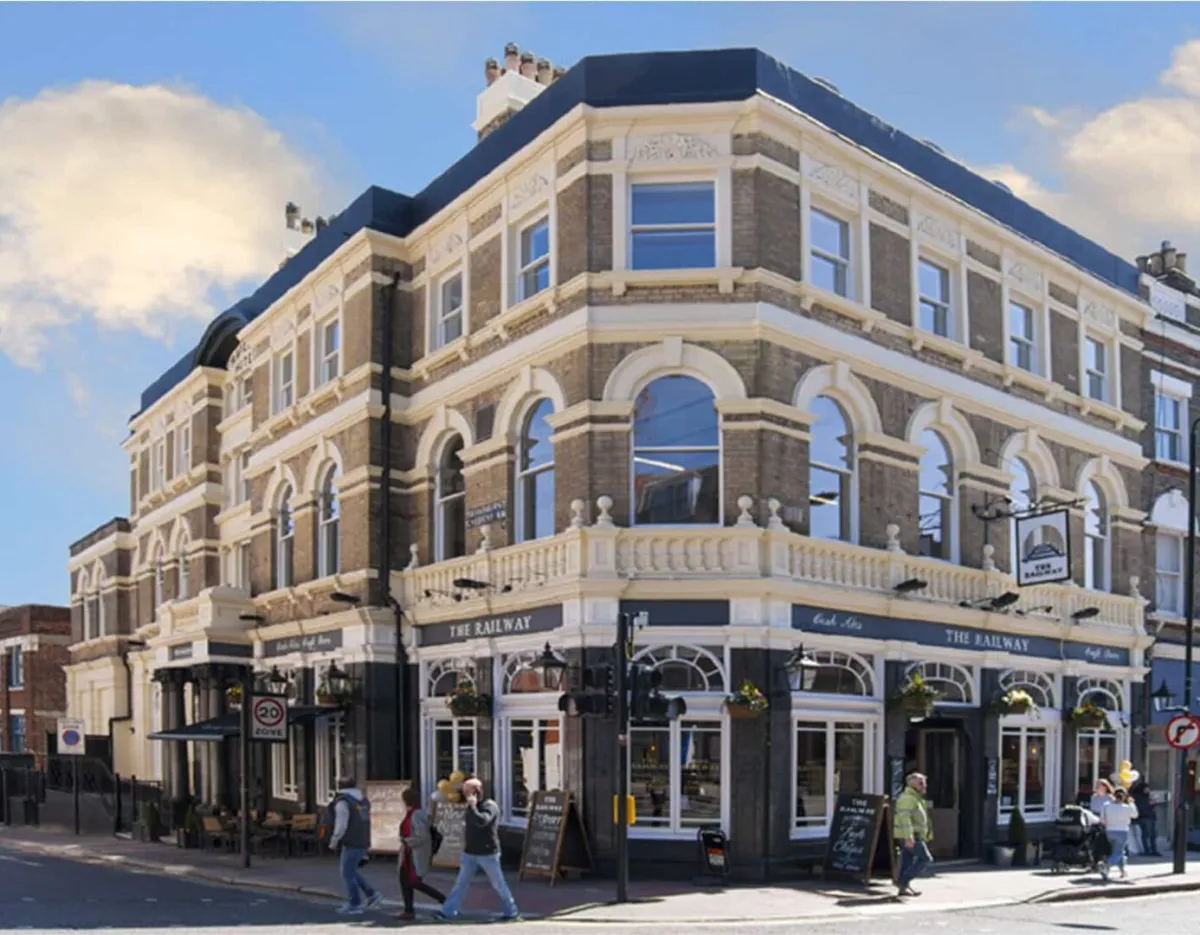 Photo: The Railway Tavern, via www.cornisharchitects.com
"You'd get fellas come in after a funeral," Jim recalls. "Couldn't go straight home to an empty house, couldn't face the family gathering. They'd order a pint and just... exist. My job wasn't to cheer them up or offer advice. My job was to make sure they had somewhere safe to not be okay."
The Language of Glances
This intuitive understanding operated through a complex system of non-verbal communication that took years to master. A slight nod toward a customer meant 'check on him in ten minutes.' A particular way of wiping down the bar suggested 'give this one some space.' Positioning yourself at specific points behind the bar could either invite conversation or politely discourage it.
Regular customers learned this language too. They'd catch the barmaid's eye and receive an almost imperceptible shake of the head that meant 'not tonight, love.' They understood when someone had claimed the corner stool as their temporary fortress of solitude.
Sarah, who worked at The George for fifteen years, remembers the delicate choreography: "You'd have someone nursing a half pint for two hours, clearly working through something. Other customers would instinctively know to give them space. It was like the whole pub became complicit in protecting someone's right to grieve quietly."
 Photo: The George, via wallpapers.com
The Death of Discretion
Now we order through apps. We scan QR codes. We tap cards against machines that chirp their electronic approval. The human buffer between order and delivery has been largely eliminated, and with it, that crucial moment of human assessment that once determined how someone's evening would unfold.
Modern pub chains train their staff to upsell, to engage, to follow scripts designed to maximise revenue per customer. The idea that someone might need to be left alone — that solitude itself might be what they're purchasing along with their pint — doesn't compute in the algorithm.
When did we decide that efficiency was more important than empathy? When did we conclude that faster service was better than intuitive service?
The Irreplaceable Human Touch
You can't code compassion into a tablet ordering system. You can't programme an app to recognise the particular slump of shoulders that means someone's world has just collapsed. The artificial intelligence behind modern hospitality might be able to predict what you usually order, but it can't predict what you need.
The old-school barstaff weren't just taking orders; they were reading the room, managing the mood, and sometimes quite literally saving lives through the simple act of knowing when to pour a drink in silence and when to offer a quiet word.
What We Lost When We Gained Speed
The pub was never just about the beer. It was about having somewhere to be human in all the messy, complicated ways that humans need to be. The barstaff who understood this weren't just hospitality workers; they were the keepers of an ancient social contract that said: sometimes people need somewhere to fall apart safely.
In our rush toward digital efficiency, we've inadvertently demolished one of Britain's most important informal support networks. We've replaced the knowing glance with the notification ping, the gentle nod with the automated response.
The tragedy isn't just that we've lost this service — it's that we've forgotten it ever existed. A generation is growing up never knowing that a pub could be a place where strangers looked after strangers without being asked, where the person behind the bar might just save your evening by knowing exactly when to leave you alone.
That kind of wisdom can't be downloaded. It can only be learned through years of watching people be people, and caring enough to get it right.