When Grief Had a Place: The Vanished Art of the Proper Send-Off
The Unspoken Agreement
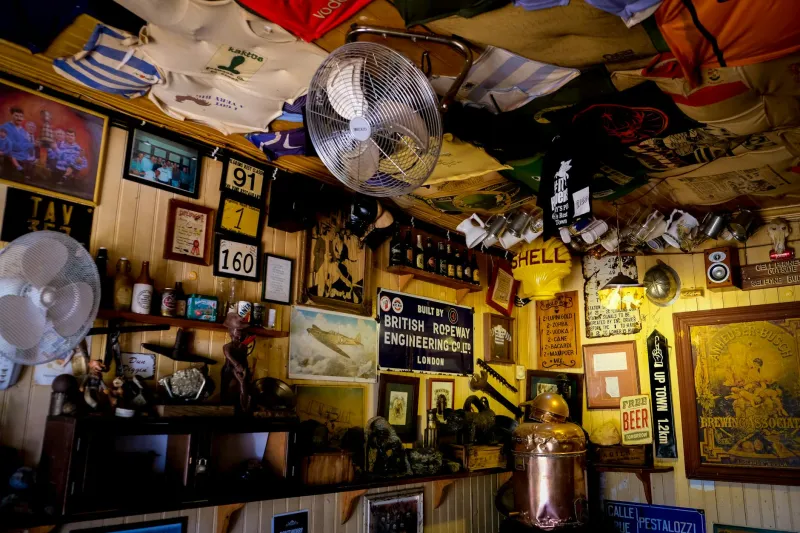
There was never an invitation, never a formal arrangement. Everyone simply knew that after the service, after the cemetery, after the final handful of earth had been thrown, the proper place to gather was the local. Not the smart hotel down the road, not the community centre with its strip lighting and instant coffee, but the pub where the departed had drunk their last pint and told their final story.
The landlord would have prepared without being asked. Extra glasses polished, the snug cleared of its usual occupants, perhaps a buffet of sorts — nothing fancy, just sandwiches cut thick and proper, the kind of food that sustained rather than impressed. This wasn't catering; it was care made manifest in ham and mustard.
The Democracy of Loss
What made the pub perfect for mourning wasn't its atmosphere — though the dim lighting and worn wood seemed to absorb sorrow naturally — but its radical democracy. Everyone was welcome, from the widow clutching her first drink in decades to the workmates who'd known the deceased only from Monday to Friday. The vicar might find himself sharing stories with the bookie, the estranged brother could stand next to the best mate, all united in the peculiar equality that grief brings.
The pub didn't judge your relationship to the dead or measure your right to be there. If you'd come to pay respects, you belonged. If you needed a drink to steady yourself, you were understood. If you wanted to sit quietly in the corner and remember, space was made. The formal hierarchies of the funeral service dissolved in the democratic warmth of shared loss and shared liquor.
Stories That Couldn't Be Told in Church
Funerals, for all their importance, are sanitised affairs. The vicar speaks of eternal rest and Christian virtues, the eulogy carefully omits the drinking and the swearing and the magnificent stubbornness that made someone human. But in the pub afterwards, the real stories emerged — the ones that painted a fuller, messier, more truthful picture of a life actually lived.
This was where you learned that your quiet neighbour had once talked his way out of a police cell with nothing but charm and bare-faced cheek. Where the church warden revealed her late husband's talent for backing horses that came in at impossible odds. Where the stories too ribald for the crematorium chapel found their proper audience — people who understood that laughter and tears weren't opposites but partners in the business of remembering.
The Widow's Table
Every post-funeral gathering had its focal point: the table where the immediate family sat, usually the same corner table the deceased had favoured in life. The widow — and it was usually a widow, women outliving their husbands with depressing regularity — would find herself surrounded by a careful choreography of care. Someone would ensure her glass never emptied, someone else would make sure she ate something, and someone would always be there to listen if she needed to talk or sit quietly if she preferred silence.
This wasn't organised or formal; it was instinctive community care, the kind that operated below conscious thought. The pub regulars understood their roles without direction. They'd seen this dance before, would see it again, and when their time came, trusted that the same careful attention would be paid to their own bereaved.
The Professional Mourners
Every local had them — the men and women who attended every funeral, not from morbid curiosity but from a sense of communal duty. They were the ones who remembered everyone's name, who could trace family connections back three generations, who served as the unofficial historians of local life and death. In the pub afterwards, they were the ones who guided conversation, who prompted the shy to share memories, who ensured that no one sat alone unless they chose to.
These weren't official positions but essential roles, filled by people who understood that a community's strength was measured not just in how it celebrated life but in how it honoured death. They were the keepers of stories, the weavers of connection, the ones who ensured that grief was shared rather than endured in isolation.
The Slow Retreat
The move away from pub wakes didn't happen overnight. It began with the best of intentions — family members wanting something 'nicer' for their loved ones, funeral directors offering packages that included catered receptions, hotels providing 'appropriate' function rooms with proper facilities and parking. Gradually, the informal became formalised, the communal became privatised, and the messy democracy of grief was replaced by the sterile efficiency of professional event management.
The hotel function room might have better acoustics and cleaner toilets, but it couldn't replicate the essential quality that made the pub perfect for mourning: it wasn't where the dead person had lived their life. The stories told in a neutral venue lacked the resonance of tales shared in the place where they'd actually happened, at the bar where the departed had stood, in the chair they'd favoured.
What We Lost in Translation
When we moved mourning from the pub to the function room, we gained convenience and lost connection. We gained control and lost spontaneity. We gained respectability and lost the raw honesty that makes grief bearable. The catered reception might feed more people more efficiently, but it couldn't nourish the soul in the way that a proper pub wake could.
Most crucially, we lost the understanding that grief is not a private burden to be managed but a communal experience to be shared. The pub wake wasn't just about remembering the dead; it was about reminding the living that they weren't alone, that their community would hold them through their darkest hours, that there was a place where sorrow could be acknowledged without shame and where healing could begin over a pint and a sandwich.
In professionalising death, we've privatised one of humanity's most universal experiences. The pub knew better: it understood that grief, like joy, is best shared among people who knew you when.