When the Last Bus Pulled Away: How Britain's Night Routes Strangled the Local
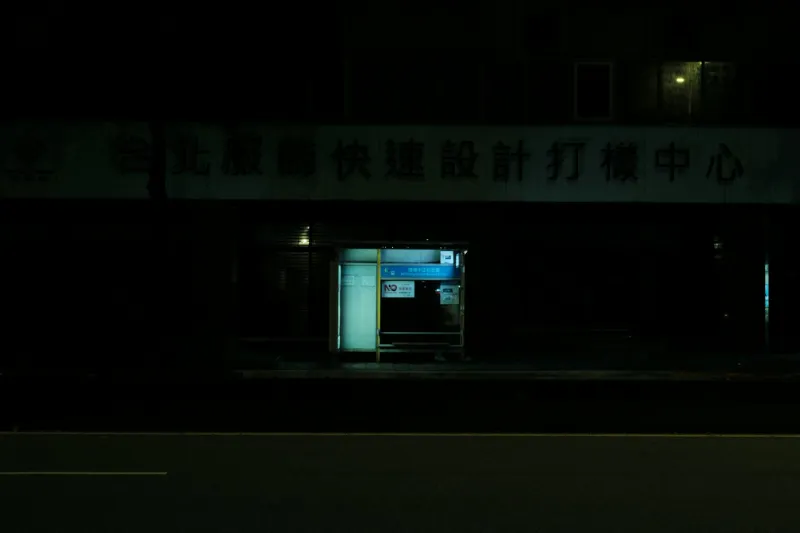
The Invisible Timetable
There was a time when every proper pub night was governed not by closing time, but by the last bus home. The 23:47 from the town centre, the 00:15 that rattled through the housing estates, the final service that determined whether you'd be nursing that pint until last orders or legging it to the stop with half a bitter still in your glass.
These weren't just bus routes—they were the arteries of Britain's social life. The timetable pinned to the pub wall wasn't decoration; it was scripture. Miss the last one, and you'd either be walking five miles in the rain or sleeping on someone's settee. But here's the thing: nobody wanted to miss it, so everybody stayed.
The Great Transport Retreat
Somewhere between the privatisation of bus services and the austerity cuts that followed, Britain quietly dismantled its night-time transport network. Rural routes vanished first—those hourly services that connected market towns to their surrounding villages. Then the suburban routes began their slow retreat, cut from every thirty minutes to hourly, then to nothing after nine o'clock.
The numbers tell the story. Between 2010 and 2020, local bus services were slashed by nearly a quarter. But it's the evening and weekend cuts that really matter—the services that once ferried pub-goers home after a proper night out. When Stagecoach or First Bus decided that the 23:30 wasn't commercially viable, they weren't just cutting a route. They were severing the lifeline that kept community pubs breathing.
The Designated Driver Dilemma
As public transport withered, the car became king. But cars and pubs make uneasy bedfellows. The drink-driving campaigns of the 1980s and 90s—brilliant as they were for road safety—created an unintended consequence. Someone had to be the designated driver, and designated drivers don't tend to linger over pints until closing time.
The social dynamics shifted overnight. Where once entire groups would pile onto the last bus, sharing stories and cigarettes on the journey home, now one person stayed sober while the others felt guilty about keeping them out late. The collective experience fractured into individual responsibilities. The pub night became a logistics exercise rather than a spontaneous adventure.
Uber Changed Everything (And Nothing)
When ride-sharing apps arrived, they seemed like salvation. No more waiting in the rain for buses that might not come. No more designated drivers counting down the minutes. Freedom at the touch of a screen.
But Uber and its rivals solved the wrong problem. They made getting home easier, but they also made leaving easier. When you know you can summon a ride within minutes, there's no pressure to stay. No shared deadline forcing strangers into conversation. No communal countdown to the last service that turned acquaintances into mates.
The apps gave us convenience but stole our excuses to linger. They replaced the democratic last bus—where everyone travelled together regardless of postcode—with individualised journeys that cost a fortune after midnight. The working-class pub regular, already stretched thin, couldn't justify fifteen quid for a ride home when they'd only spent a tenner on drinks.
When Villages Lost Their Lifeline
The impact hit rural communities hardest. Village pubs that once thrived on the custom of nearby towns found themselves marooned. The bus route that brought Friday night drinkers from the market town dried up. The service that let young people escape to the local for their first legal pint disappeared.
Without transport links, village pubs became the preserve of locals who could walk home—usually older residents who'd grown up in the area. The young moved away or drove to retail parks with chain pubs and ample parking. The village local, once the beating heart of rural social life, became a museum piece sustained by Sunday lunch trade and the occasional wedding reception.
The Social Contract Broken
Public transport was more than infrastructure—it was a social contract. The night bus was Britain's great leveller, where office workers sat next to builders, where teenagers shared space with pensioners, where the pub's diverse clientele continued their conversations all the way home.
These journeys were part of the pub experience. Friendships that began over pints were cemented on the 11:30 to Wythenshawe. Romance bloomed between the Dog and Duck and the terminus at Tesco Metro. The bus ride home wasn't just transport; it was the epilogue to every great pub night.
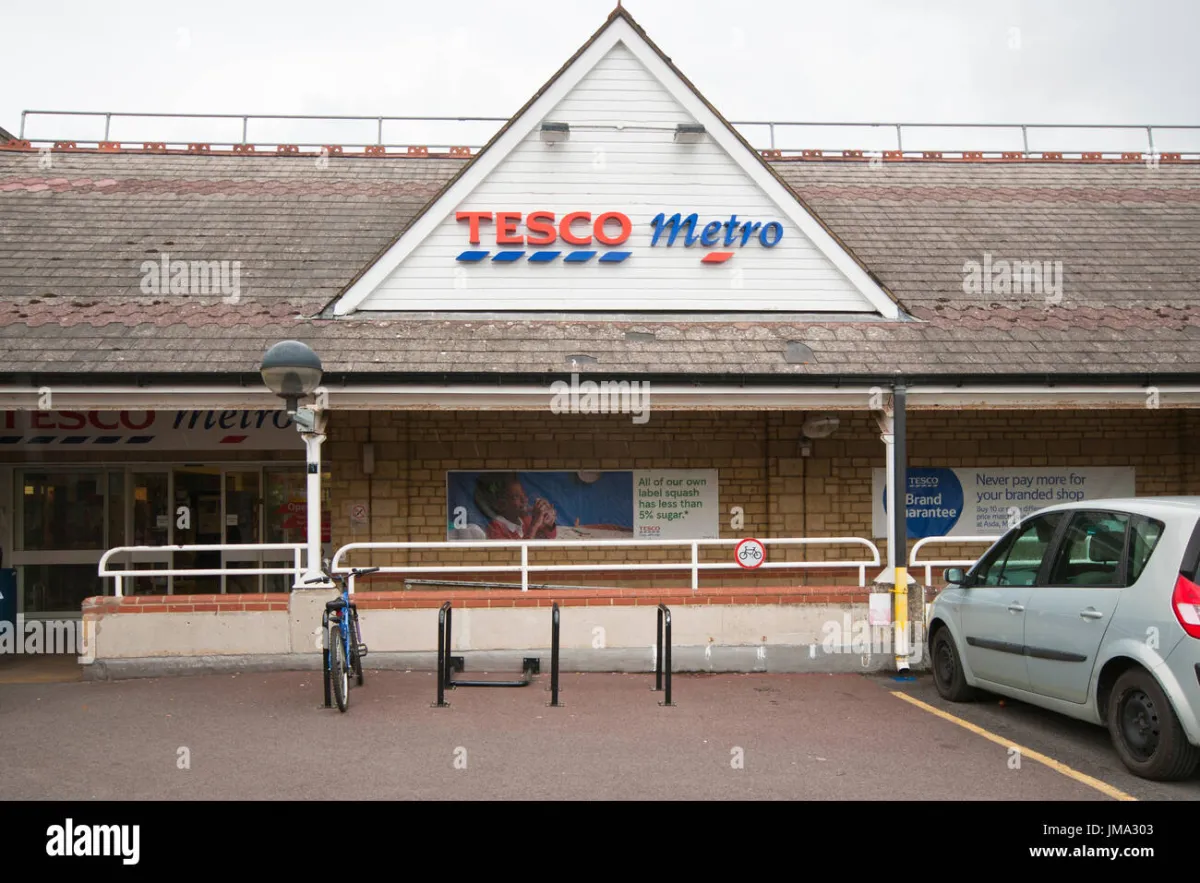 Photo: Tesco Metro, via c8.alamy.com
The Empty Hours
Today's pubs empty early because there's no reason to stay late. No last bus to catch. No shared journey home to anticipate. No communal deadline that turned individual drinkers into temporary tribes. The early exodus isn't about changing drinking habits or the smoking ban or craft beer prices. It's about the collapse of the infrastructure that once made staying out worthwhile.
We built a society around cars and wondered why communities fell apart. We privatised bus routes and questioned why pubs couldn't survive. We created transport deserts and blamed the locals for closing early.
The last bus home wasn't just a bus. It was the thread that wove Britain's pub culture together, connecting communities across postcodes and class lines. When it pulled away for the final time, it took with it something irreplaceable: the excuse to stay until the very last orders, surrounded by people who'd become, for one night at least, fellow travellers on the journey home.