The Barmaid Who Remembered Everything: How the Pub's Unsung Historians Vanished
The Human Hard Drive
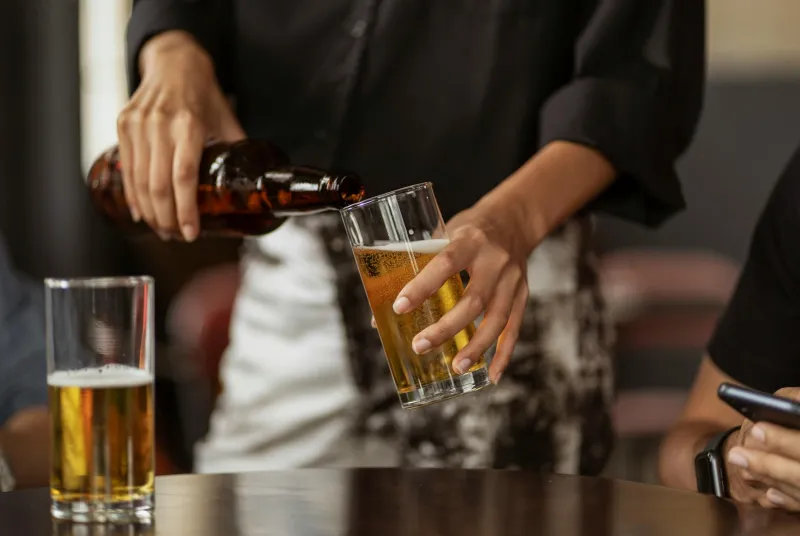
She could tell you that your father drank mild and bitter, that your grandfather preferred his whisky neat, and that your uncle always ordered a packet of pork scratchings with his first pint. Without consulting a single screen or database, Maureen behind the bar at The Crown held three generations of the neighbourhood's drinking habits in her head, along with their secrets, their sorrows, and their small victories.
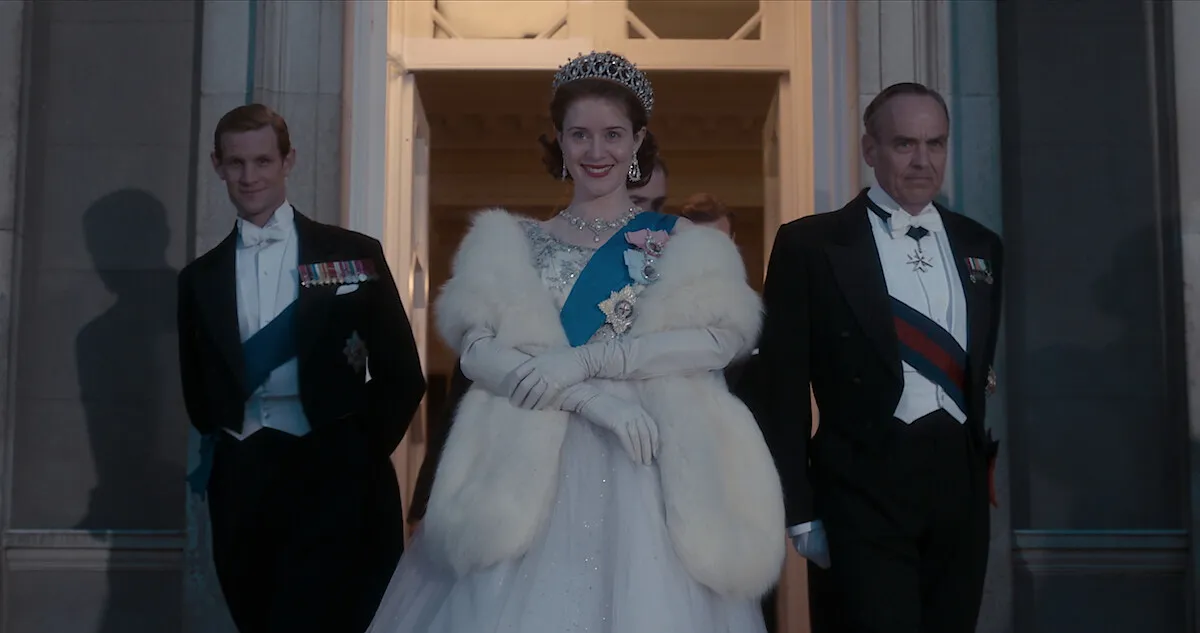 Photo: The Crown, via dnm.nflximg.net
This was the era when barmaids and barmen were more than servers—they were the living, breathing memory banks of their communities. They were historians without degrees, therapists without qualifications, and social workers without official titles. They knew who was struggling with money, who'd just lost a parent, and who needed a friendly ear more than they needed another pint.
The Encyclopaedia Behind the Bar
Walk into Maureen's pub any evening between 1975 and 2005, and you'd witness a masterclass in human data processing. She'd spot you before you reached the bar, already reaching for your usual glass. "How's your Janet getting on at university?" she'd ask while pulling your pint, remembering a conversation from three months ago. "Tell her congratulations on the exam results from all of us."
This wasn't small talk—it was the careful maintenance of community fabric. Maureen knew that Mrs Henderson from the corner house had been widowed the previous winter and might appreciate an invitation to join the pub's Christmas dinner. She remembered that young Dave was looking for work and could connect him with the builder who drank at lunchtime. She was the human equivalent of a social network, but one that actually brought people together instead of driving them apart.
The Art of Reading Between the Lines
The truly gifted ones could read you like a book. They knew when your usual cheerful greeting was forced, when your customary two pints stretched to four because you didn't want to go home, when your jokes were a little too loud because you were covering for something painful. They had an intuitive understanding of human nature that no customer service training could ever teach.
"You alright, love?" wasn't just a greeting—it was a genuine inquiry from someone who noticed when you weren't quite yourself. And if you needed to talk, they'd listen while polishing glasses, offering wisdom gained from years of watching human nature play out across their bar.
The Shift Change
Somewhere in the last twenty years, everything changed. The Maureens of Britain's pubs began to retire, and they weren't replaced by people like them. Instead came a revolving door of part-time staff, often students or workers juggling multiple zero-hours contracts. Lovely people, many of them, but gone before they could learn that the gentleman in the corner always ordered for his deceased wife out of habit, or that the woman who seemed rude was actually just shy.
The new staff scan barcodes and process contactless payments with impressive efficiency. They can tell you the exact alcohol content of any beer and explain the provenance of the hops. But they can't tell you that your regular seat by the window has been empty since old George passed away, or that the reason the locals always toast "absent friends" at closing time is because of the mining accident of 1987.
The Database That Cared
Modern pubs track customer preferences through loyalty apps and data analytics. They know what you drink and when you drink it, building detailed profiles of consumption patterns. But they don't know that you switched from bitter to mild after your doctor's appointment last month, or that you've been coming in earlier lately because the house feels too quiet since the divorce.
The old-school barmaid was a human database, but one programmed with empathy. She stored not just facts but context, not just preferences but the stories behind them. When she asked "The usual?" it wasn't just about the drink—it was an acknowledgment that you belonged somewhere, that someone noticed your patterns and cared enough to remember them.
The Wisdom of the Well
These unsung historians possessed a particular kind of wisdom that came from watching life unfold in real time. They'd seen marriages bloom over shared pints, watched children grow up through family Sunday lunches, and helped communities navigate everything from unemployment to bereavement. They understood that sometimes the best medicine wasn't advice but simply being seen and acknowledged.
Maureen once told a regular customer that his teenage son had been coming in asking about him—information that led to a reconciliation that had seemed impossible. She knew which couples were solid and which were struggling, which families were thriving and which needed a gentle word of support. She was the keeper of the community's emotional temperature.
The Irreplaceable Loss
You can't train someone to be a Maureen. That kind of deep community knowledge takes years to accumulate, and it requires the stability of long-term employment that modern pub economics rarely allows. When these human encyclopaedias retire or move on, their knowledge dies with them. The new staff start from scratch, learning names and drinks but never quite grasping the intricate web of relationships that made the pub a true community hub.
The Empty Archive
Today's pubs are cleaner, more efficient, and often serve better food than their predecessors. But they've lost their institutional memory. The stories that once lived in the minds of long-serving staff have vanished, taking with them the continuity that made locals feel like extended family rather than mere customers.
We've gained speed and lost depth. We've optimised for turnover and forgotten about belonging. The barmaid who remembered everything has been replaced by systems that remember nothing that matters—and in losing her, we've lost a crucial piece of what made our pubs the living rooms of Britain.
The next time you're served by someone who knows your name and asks about your family, treasure it. You're experiencing something that's becoming as rare as the pubs that once housed it—the irreplaceable human touch that no algorithm will ever replicate.