The Towel on the Pumps: How Britain Learned to Say Goodbye Without Saying a Word
The Silent Signal
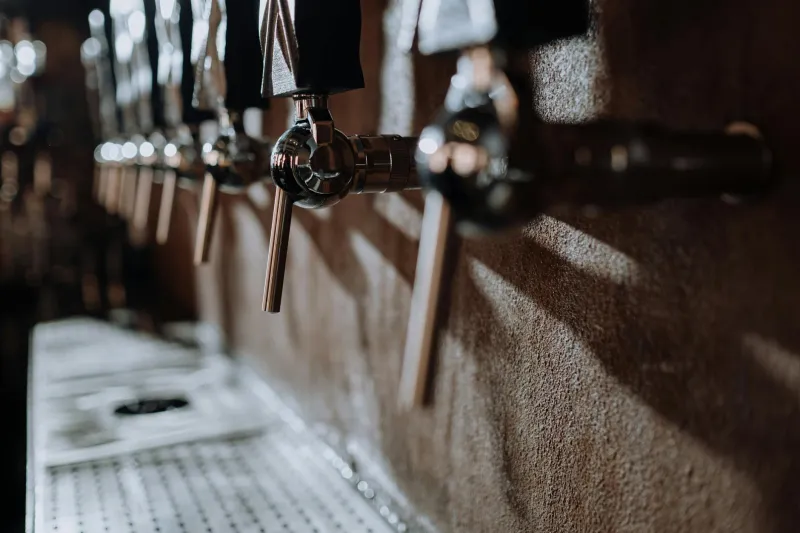
There's no sound quite like the silence that follows the draping of a towel over beer taps. It's Britain's most understated funeral rite, performed without ceremony in pubs across the nation every week. The white terry cloth—usually stained with years of service behind the bar—becomes a flag of surrender, marking another casualty in the slow-motion demolition of our social infrastructure.
The ritual is always the same. The handpumps, those proud sentinels of British brewing tradition, are covered like caged birds at bedtime. Sometimes there's a handwritten note sellotaped to the window: "Closed due to circumstances beyond our control" or "Thank you for your custom over the years." The euphemisms barely mask the brutal economics beneath.
When the Heart Stops
But it's what happens in the hours before the towels appear that tells the real story. The regulars drift in, unaware they're attending a wake. Old Jim orders his usual bitter, not knowing it's the last time these particular pumps will pour it. The afternoon crowd settles into their familiar rhythms—the crossword shared between strangers, the gentle argument about last night's football, the comfortable silence of people who don't need to fill every moment with chatter.
The publican serves them all, carrying the weight of knowledge that this community is about to lose its living room forever. Some landlords tell their regulars, creating impromptu farewell gatherings. Others can't bear to break the spell, letting the final hours unfold naturally, preserving the illusion of permanence right until the end.
The Archaeology of Loss
Walk past a recently closed pub and you'll see the archaeology of abandonment. The towels on the pumps are just the beginning. Within weeks, the windows are boarded up or papered over with planning applications. The hanging baskets die. The beer garden furniture gets stacked and forgotten. The building—which might have served its community for centuries—begins its transition from living space to dead asset.
The most heartbreaking closures are the sudden ones. The locals who gathered on Friday night, planning to return on Sunday, find themselves locked out forever. Their unfinished conversations hang in the air like cigarette smoke from the old days, never to be resumed. The dominoes tournament that was supposed to start next week never happens. The birthday party booked for next month gets relocated to a chain restaurant where nobody knows your name.
The Mourning We Never Had
Perhaps the most damning thing about Britain's pub closures is how routine they've become. We've developed a national numbness to the loss of our social spaces. Where once a pub closure would have sparked community campaigns and council meetings, now we simply shrug and suggest meeting at the Wetherspoons in the retail park instead.
The towel on the pumps has become so common that we've stopped seeing it as a symbol of community death. It's just part of the landscape now, like closed high street shops and empty church buildings. We've normalised the disappearance of the places where we used to gather, where we used to belong.
The Living Room That Died
Every closed pub represents the death of a living room—not just any living room, but the one that belonged to everyone and no one, where strangers became neighbours and neighbours became family. These weren't just businesses; they were the spaces where communities wrote their own stories, settled their disputes, celebrated their victories, and mourned their losses together.
The pub was where you learned that the bloke from two streets over was actually quite funny once you got to know him. Where the woman who seemed so stern at the school gates turned out to have a wicked sense of humour. Where the teenager everyone worried about found mentors who cared enough to set him straight.
What We Lost in Translation
When we replaced these physical gathering spaces with digital ones, we lost something essential about human connection. You can't accidentally bump into someone on Facebook. You can't read the room on WhatsApp. The algorithm doesn't know that what you really need tonight isn't another targeted ad, but the gentle ribbing of people who've known you long enough to see through your pretences.
The towel on the pumps represents more than the end of a business—it's the symbol of our retreat from each other, our acceptance that convenience matters more than community, efficiency more than belonging.
The Final Round
So the next time you see those towels draped over silent beer taps, pause for a moment. You're witnessing the end of something that can never be replaced. Not by gastropubs with their careful theming, not by bars with their cocktail menus, and certainly not by the endless scroll of social media.
You're watching Britain lose another piece of its soul, one covered handpump at a time. And the most tragic part? We've learned to say goodbye without saying a word.