Chalk Dust and Common Ground: The Pub Games That Made a Room Into a Team
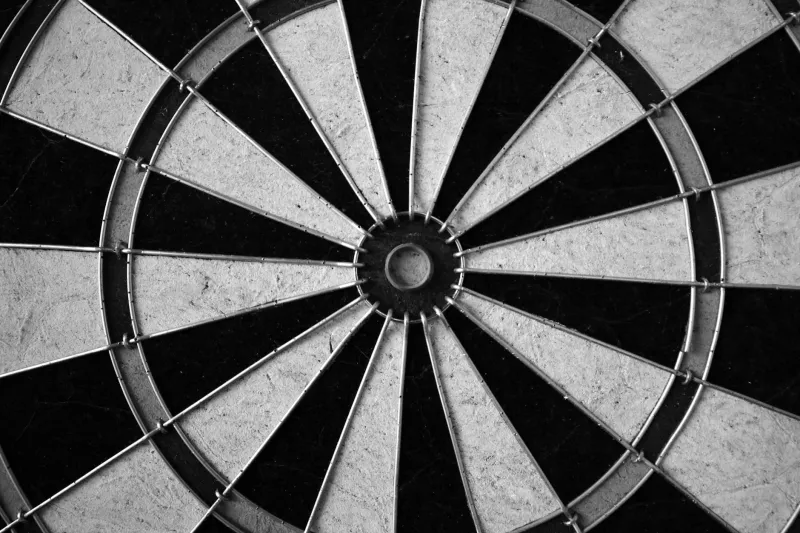
Walk into a pub in 2026 and the chances are you will not see a dartboard. You might see a large screen showing football, a stack of menus, a sign about booking for Sunday lunch. The board, if it exists at all, is often tucked behind a fruit machine or hanging in a corridor near the loos, as though it is slightly embarrassing. Yet for decades the darts board, the dominoes table and the cribbage board were the quiet machinery of British social life. They did not need Wi-Fi. They needed three feet of floor and someone willing to lose.
The Board Nobody Had to Join
Unlike a club, a team or a society, the pub game had no membership fee and no induction. You could walk in, watch a leg of darts, and be asked the only question that mattered: 'Best of three?' That was it. You were in. The game gave strangers a reason to talk without the awkwardness of 'so what do you do?' It gave regulars a shared task. Dominoes worked the same way. The click of the tiles, the ritual of the draw, the muttered 'you jammy so-and-so' when someone slapped down the double six. Cribbage had its own quiet rhythm: the pegging, the cut, the little wooden board that lived behind the bar. These were not hobbies. They were social glue.
A Language You Learned by Losing
Pub games came with a vocabulary. '180.' 'Double top.' 'Bull.' 'Shot.' 'Leave.' 'Crib.' 'Pegging.' 'Muggins.' You learned it by watching, then by playing badly, then by playing slightly less badly. It crossed age and class in a way that few other things did. A retired teacher and a plasterer could argue for twenty minutes about whether you go for the bull or set up a double. A teenager could beat a grandfather at dominoes and nobody thought it was strange. The game was the icebreaker, the conversation starter, the excuse to stay another hour. It was the original social network, except the only thing you had to share was a bit of chalk and a round of drinks.
The Refurbishment That Took the Oche
Then came the food-led refurbishment. The wall came down. The carpet went. The board got moved to a dark corner, then to a cupboard. Squeezed floor space meant fewer tables for drinkers and more for diners. Wall-mounted screens took over the sightlines. 'Craft' this and 'small plates' that. None of it was malicious. It was just business. A table for four diners earns more than a dominoes school nursing half a bitter for two hours. But something was lost in the maths. The games were pushed out quietly, and with them went the low-stakes reason to sit with people you did not already know.
What We Lost When the Games Went
We lost a way to be together that did not require a plan. Group chats are fine for logistics, but they do not teach you how to take a loss in front of someone. They do not give you a teammate for an evening. The darts board did not care who you voted for. It cared whether you could hit a double. In 2026, loneliness is treated as a public health concern, and the answers offered are often digital: apps, platforms, online communities. Some of that helps. But a board on a wall and someone saying 'your throw' does something an app cannot. It makes a room into a team, even if only for half an hour. That was the quiet genius of the pub game. It asked almost nothing of you, and gave back a sense of belonging.