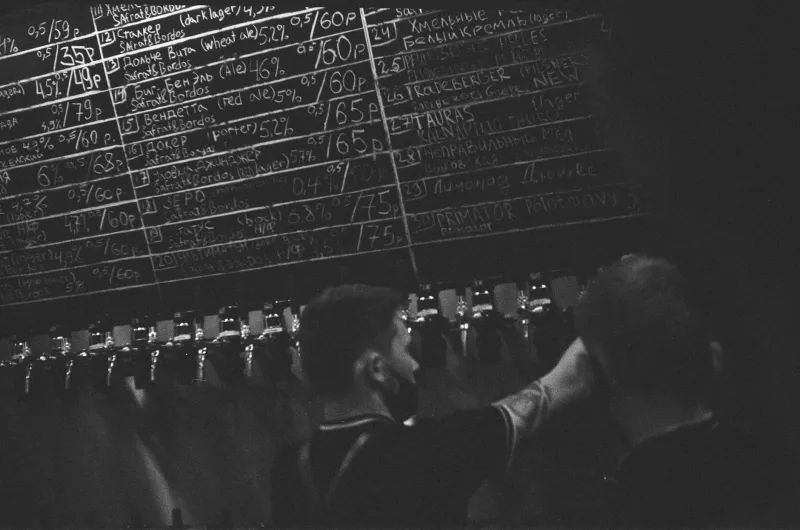
The Weekly Rewrite
Every Monday morning, she'd stand there with a damp cloth and a stick of chalk, wiping away last week's offerings to make room for whatever the delivery van had brought and whatever her imagination could conjure from it. The handwriting was never perfect — sometimes barely legible — but it carried something no printed menu ever could: the unmistakable signature of a human being who'd actually be cooking your dinner.
The chalkboard wasn't just advertising food; it was advertising confidence. When Mrs Patterson wrote "Steak & Kidney Pie — Made This Morning" in her careful cursive, she was putting her reputation on the line with every letter. When the specials changed mid-week because the fish delivery was particularly good, you knew you were eating somewhere that cared more about quality than consistency.
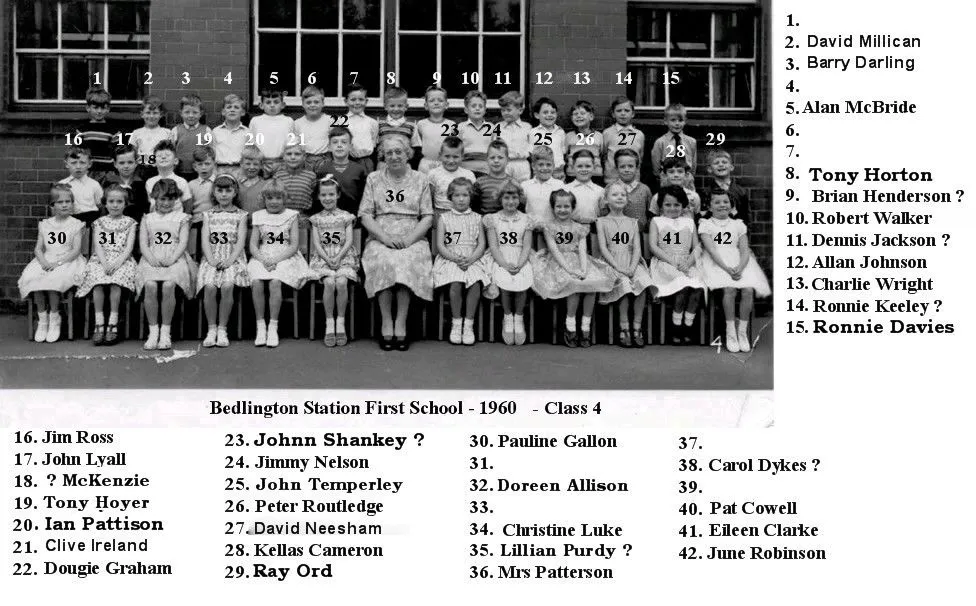 Photo: Mrs Patterson, via bedlington.uk
The Grammar of Hospitality
Those handwritten menus had their own language, and regulars learned to read between the lines. "Today's Special" meant the landlady was particularly proud of something. "While Stocks Last" meant you'd better order quickly if you wanted the good stuff. "Chef's Recommendation" — even though the chef was usually the landlord's wife working alone in a kitchen the size of a cupboard — meant someone had taken the time to think about what you might actually enjoy eating.
The spelling mistakes weren't bugs; they were features. "Bangers & Mash" might become "Bangers & Mash" or "Cottage Pie" might lose its 'e', but these imperfections were proof that real human hands had created what you were reading. In an age of corporate uniformity, the wonky letters and uneven spacing were signatures of authenticity.
The Trust Transaction
Ordering from a handwritten chalkboard required a leap of faith that modern dining has systematically eliminated. There were no photographs, no detailed descriptions, no allergen information, no calorie counts. Just "Lamb Hotpot — £3.50" and the implicit understanding that whoever wrote those words knew what they were doing and cared about doing it properly.
This wasn't recklessness; it was relationship. The people eating the food knew the people cooking it, and the people cooking it knew they'd have to face their customers at the bar later. The chalkboard menu worked because it existed within a web of accountability that no corporate chain, however well-intentioned, could replicate.
The Economics of Improvisation
Behind every handwritten menu was a kitchen that operated more like a household than a business. The landlady would shop like she was feeding her own family — opportunistically, seasonally, personally. If the local butcher had a particularly good piece of beef, that would become Thursday's special. If the vegetable delivery included unexpectedly perfect potatoes, the chips would be worth talking about.
This wasn't inefficient; it was responsive. The chalkboard menu could adapt to what was available, what was affordable, and what the customers actually wanted. No corporate headquarters needed to approve menu changes, no focus groups needed to test new offerings. If something worked, it stayed on the board. If it didn't, it disappeared with Tuesday's wipe-down.
The Performance of Care
Watching someone update a chalkboard menu was like watching a small piece of theatre. The careful consideration of spacing, the artistic flourish on certain letters, the way some items were underlined for emphasis — it was all part of a performance that said "we care about this enough to do it properly." Even the act of changing the menu was visible to customers, a daily demonstration that thought and effort went into what they were being offered.
Contrast this with today's laminated menus, printed in bulk and designed to last for months without change. They're more durable, more legible, more professional — and completely soulless. They tell you what's available, but they don't tell you anything about who's making it or why they think you might want to eat it.
The Death of Seasonal Cooking
The handwritten chalkboard was the natural enemy of menu standardisation, which made it the natural friend of seasonal cooking. Spring meant fresh vegetables and lighter dishes. Autumn brought game and hearty stews. Winter called for comfort food that stuck to your ribs. The menu evolved with the calendar because the person writing it was thinking like a cook, not a brand manager.
Today's pub menus, with their year-round availability of everything from everywhere, have lost this connection to time and place. You can order the same burger in January and July, the same fish and chips in spring and autumn. We've gained consistency and lost the simple pleasure of eating something because it was the right time of year for it.
The QR Code Apocalypse
The final insult came with the QR code menus that proliferated during the pandemic and somehow never went away. Now, instead of reading handwritten specials on a chalkboard, customers scan a code with their phones to access a digital menu that could have been created anywhere, by anyone, for any establishment. The last physical connection between kitchen and customer has been severed, replaced by pixels on a screen.
These digital menus are undoubtedly more hygienic, more efficient, more updateable. They can include photographs, nutritional information, and real-time availability. But they've eliminated the last trace of personality from the pub dining experience, turning every meal order into a transaction with an algorithm rather than a conversation with a neighbour.
What We Lost When the Chalk Ran Out
The handwritten chalkboard menu wasn't just about food; it was about trust, personality, and the willingness to put yourself on the line for strangers who might become friends. It was about cooking as an act of hospitality rather than a business transaction, about menus as conversations rather than catalogues.
When the last chalkboard was replaced with the first laminated menu, something fundamental changed in the relationship between pub and customer. We became consumers rather than guests, transactions rather than relationships. The food might be more consistent now, but consistency was never what made pub dining special.
The handwriting on the wall wasn't just telling us what was for dinner — it was telling us that someone cared enough to make dinner worth writing about.