The Pub Garden Nobody Tends: How Britain's Greatest Outdoor Room Became a Haunted Car Park
The Democracy of Dandelions
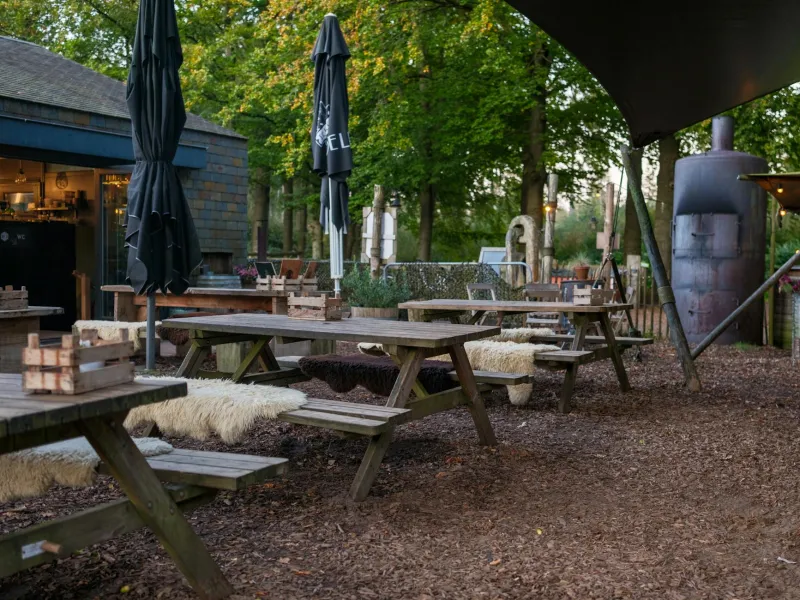
There was something beautiful about the British pub garden's cheerful indifference to perfection. The wonky picnic tables that had seen better decades, the hanging baskets that drooped with the weight of their own ambition, the patch of grass where children kicked footballs while their parents nursed warm pints and watched the wasps circle the crisps. It wasn't landscaped. It wasn't curated. It was just there, like the best things Britain ever produced.
The pub garden was our great democratic outdoor space – the one place where a pensioner could feed the sparrows, teenagers could nurse their first legal pint in the sunshine, and families could sprawl across mismatched furniture without anyone checking their postcode or credit rating. It was rough around the edges because life is rough around the edges, and that's precisely why it worked.
When Summer Meant Something
Before we had apps to tell us the weather, we had the pub garden to show us what a proper British summer looked like. The first warm evening in May would see the benches dragged out from winter storage, still slightly damp and definitely wobbly, but nobody cared. By June, the garden would be humming with the particular energy that only comes when strangers become temporary neighbours over a shared table and a packet of pork scratchings.
Children understood the geography of these spaces instinctively. They knew which corner had the best climbing tree, where the football could be kicked without breaking anything important, and exactly how far they could wander before their parent's voice would call them back to the safety of the beer garden's invisible boundaries. It was freedom with training wheels, supervised adventure in the most British way possible.
The Graveyard of Good Intentions
Walk into most pub gardens today and you'll find something that looks like a crime scene designed by a committee. The wonky picnic tables have been replaced by identical outdoor furniture that screams 'bulk order from a catering supplier.' The hanging baskets have given way to architectural planters that look expensive and feel cold. The grass has been murdered and replaced with decking that gets slippery when wet – which, this being Britain, is most of the time.
Everywhere you look, there are QR codes. QR codes on laminated menus zip-tied to tables. QR codes directing you to apps that don't work properly. QR codes that have replaced the simple human interaction of walking to the bar and asking for a pint. The pub garden has been infected with the same digital disease that's killing everything else, turning what was once an organic social space into an outdoor office where everyone stares at their phones.
The Heater Graveyard
Perhaps nothing symbolises the death of the pub garden quite like the outdoor heater graveyards that now dominate these spaces. Rows of gas heaters, most of them broken, standing like metallic tombstones over what used to be communal areas. They were installed with the best intentions – extending the season, keeping people comfortable – but they've created sterile zones where people huddle in individual heat bubbles rather than naturally clustering around shared tables.
The outdoor heater represents everything wrong with how we've tried to 'improve' the pub garden. Instead of accepting that British weather is unpredictable and that sometimes you get rained on, we've tried to control nature with expensive gadgets that mostly don't work and always look ugly.
Where the Children Went
The modern pub garden is a hostile environment for children, and that's not an accident. The insurance policies don't like them. The health and safety assessments worry about them. The customer demographic research suggests they're not profitable. So the climbing trees have been removed, the rough patches of grass have been paved over, and the invisible boundaries that once kept children safe while letting them explore have been replaced with actual barriers that keep them out entirely.
This isn't just about children – it's about the kind of community the pub garden once fostered. When families felt welcome, when three generations could share the same outdoor space, when the sound of children playing was part of the pub's natural soundtrack, the garden became a genuine extension of neighbourhood life. Now it's just another place for adults to drink and complain about the service.
The Lost Art of Doing Nothing
The old pub garden was perfect for the British art of doing absolutely nothing while pretending to be sociable. You could sit with a pint, watch other people's conversations, feed the birds with your leftover crisps, and generally exist in that gentle state of semi-social consciousness that modern life has made almost impossible.
Today's pub gardens demand engagement. They want you to scan codes, download apps, rate your experience, and share your location on social media. The simple pleasure of sitting in the sun with a drink and letting your mind wander has been optimised out of existence.
The Room We Lost
The pub garden wasn't just outdoor seating – it was Britain's greatest democratic outdoor room. It was where class boundaries softened under the equalising influence of warm weather and cold beer, where conversations happened between strangers that would never have met indoors, where the rigid social structures of British life relaxed just enough to let genuine community breathe.
We've replaced it with outdoor dining areas that look like they belong to chain restaurants, staffed by people who've never heard of the local football team and designed by committees who think a good pub garden is one that photographs well for Instagram. We've traded the beautiful chaos of the British pub garden for the sterile efficiency of the modern hospitality experience.
And in doing so, we've lost one of the few truly democratic spaces Britain ever produced – the place where everyone was welcome, nothing was perfect, and somehow that made everything better.