Saturday Afternoon Sacred: When Football and the Pub Were One Religion With Two Altars
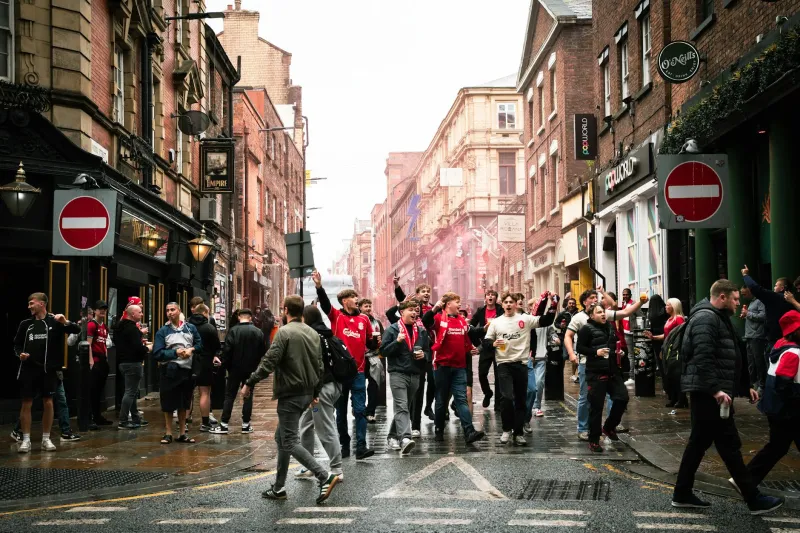
The Liturgy of Saturday
It was a religion with a simple catechism: arrive at the pub by half-past eleven, nurse two pints until quarter to three, walk to the ground singing songs your grandfather had taught you, then return to the same seats afterward to either celebrate or commiserate until closing time. For the best part of a century, this ritual bound football and the British pub together in a marriage that seemed as permanent as the terraces themselves.
The pub wasn't just where you went before and after the match — it was where football lived during the week. Where transfer rumours were dissected over Tuesday pints. Where the manager's tactics were questioned with the authority that comes from forty years of watching from the same spot on the Kop. Where season ticket renewals were debated with the seriousness of mortgage applications, because for many people they represented a similar financial commitment.
The Cathedral and the Chapel
Every ground had its cluster of locals, each with its own character and clientele, but all serving the same fundamental purpose: they were football's parish churches, the places where the faith was kept alive between Saturdays. The Red Lion might be where the old-timers gathered to remember when the club actually won things. The Crown and Anchor drew the younger crowd who still believed this might be their year. The Railway Tavern caught the supporters who travelled in from the villages, arriving early and staying late because the last bus home didn't leave until nine.
These weren't themed bars with replica shirts on the walls and Sky Sports News playing on loop. They were proper locals that happened to be colonised by football supporters, creating a unique ecosystem where the rhythms of community life and the football calendar became completely intertwined. The landlord knew your drink, your usual seat, and whether your team's latest signing was worth the money — often in that order of importance.
 Photo: Sky Sports, via e0.365dm.com
The Television Revolution
When football first appeared on pub televisions, it wasn't seen as competition for live attendance — it was a way of staying connected to the broader world of the game. You'd watch Match of the Day highlights on Saturday night, dissecting your own team's performance while keeping an eye on how the rivals had fared. The Sunday afternoon match might draw a crowd, particularly if it featured teams from your division or a cup tie worth watching.
 Photo: Match of the Day, via images-na.ssl-images-amazon.com
Those early pub broadcasts created their own rituals. The collective groan when your team conceded. The grudging applause for a spectacular goal, even if it came from a player you'd spent the previous season calling useless. The post-match analysis that was invariably more insightful than anything you'd hear from the professional pundits, because it came from people who'd been watching football with genuine passion since before the commentators were born.
The Great Divorce
Then Sky Sports arrived with a proposition that seemed reasonable at first: more football, better coverage, and the chance to watch games you'd never have seen before. What they didn't advertise was that this bounty came with a price beyond the monthly subscription. They were about to tear apart the relationship between football and the pub that had sustained both for generations.
The new television deals demanded new kick-off times. Saturday at 3pm became Sunday at 1.30pm, or Monday at 8pm, or Thursday at 5.45pm for European competitions that clubs couldn't afford to ignore. Each schedule change was presented as progress — more global audiences, more revenue, more opportunities for supporters to see their team play. What it actually meant was the slow destruction of the social infrastructure that had made football a community experience rather than a consumer product.
The Price of Everything
As television money inflated transfer fees and wages, it inevitably inflated ticket prices too. The working men who'd once filled the terraces found themselves priced out of grounds they'd considered their second homes. Some retreated to the pub permanently, watching their team on television while complaining about the modern game. Others drifted away from football altogether, unable to afford the new prices and unwilling to become armchair supporters.
The pubs that had once been guaranteed full houses on match days found themselves competing with subscription television and the sofa. Why pay pub prices for drinks when you could watch the same match at home? Why deal with crowds and noise when your own living room offered a better view and cheaper beer? The question answered itself, and the Saturday afternoon rush became first a trickle, then a memory.
The Sports Bar Solution
Some enterprising publicans tried to fight back by transforming their locals into dedicated sports bars. Out went the dartboard and the dominoes table. In came multiple screens, satellite packages, and themed décor that looked like it had been ordered from a catalogue. These venues could show every match, from Premier League to non-league, from Champions League to international friendlies.
 Photo: Premier League, via resources.premierleague.com
But something essential was lost in the translation. The old football pubs had been communities first and sports venues second. The new sports bars were businesses first and communities never. You came to watch a specific match and left when it finished. There was no lingering, no gradual transition from match analysis to general conversation to the comfortable silence of people who'd shared the same hopes and disappointments for decades.
The Away Day Exodus
Perhaps most damaging of all was what happened to away day culture. The traditional away day had been a pub crawl with a football match in the middle — an excuse for a group expedition to an unfamiliar town, with the local pubs serving as base camps for the invasion. These trips created bonds between supporters that lasted lifetimes and provided crucial revenue for pubs in away cities.
Modern football scheduling killed this tradition as surely as it killed the Saturday afternoon ritual. Midweek evening kick-offs meant no time for pre-match pints. Sunday lunchtime starts meant no post-match session. Early morning departures for televised matches meant arriving in strange towns before the pubs had opened, then leaving again before they'd had time to create any memories worth preserving.
What Both Sides Lost
Football lost its roots in working-class community life, transforming from a shared cultural experience into individualised entertainment consumption. The songs that had been passed down through generations of supporters were replaced by choreographed displays organised by marketing departments. The organic rivalries based on geography and history were supplemented by artificial derby matches created for television drama.
The pubs lost their most reliable source of communal identity. Without football to provide the conversational framework, many locals struggled to maintain the social cohesion that had kept them viable. The regular customers who'd once gathered to discuss team selection and transfer rumours found less reason to leave their houses on Saturday afternoons. The communal television viewing that had created shared experiences became redundant when everyone had their own screen at home.
The Digital Divide
Today's football supporters are more likely to debate team tactics on Twitter than in the pub. They consume match highlights on YouTube rather than waiting for the Sunday morning papers. They join online fan forums instead of becoming part of their local's Saturday afternoon community. The conversation continues, but it's been atomised, scattered across digital platforms where passion is measured in retweets rather than rounds bought for strangers who share your heartbreak.
The pub has become just another venue for watching football rather than football's natural home. You can find a screen showing any match you want to see, but you're unlikely to find the kind of community that once made defeat bearable and victory worth celebrating with people who understood exactly what it meant to you.
The Sacred and Profane
What we lost when football and the pub divorced wasn't just a convenient social arrangement — it was a form of secular religion that had sustained working-class communities through decades of economic and social change. The pub had been football's cathedral, the place where the faith was kept alive between services. Football had been the pub's reason for being, the shared obsession that transformed a room full of strangers into something approaching a congregation.
Both institutions survive, but they're shadows of what they once were together. Football is richer, more global, more professional than ever before. Pubs are cleaner, safer, more regulated than they've ever been. But neither can replicate the magic they created together every Saturday afternoon, when the whole weekend revolved around ninety minutes of football and the hours of conversation that surrounded it like prayers around a service.
Somewhere in a closed-down local near a demolished football ground, there's probably still a photograph on the wall showing the pub's darts team celebrating a victory that nobody remembers. Next to it, there might be a fixture list from a season when hope still lasted until May, when Saturday afternoon was sacred, and when the pub and the football club were two parts of the same beating heart.