The Quiet Click of the Lock: Remembering the Great British Lock-In
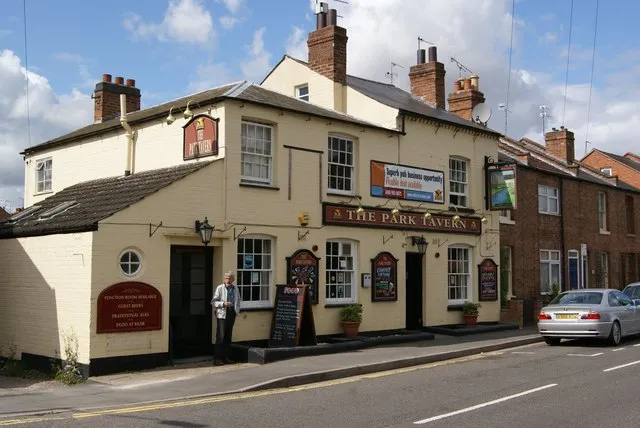
Photo: Colin Craig, CC BY-SA 2.0, via Wikimedia Commons
There was a particular sound to it. Not the bell — everybody knew the bell, and everybody groaned at the bell. The sound that mattered came twenty minutes later: a soft, deliberate click somewhere behind you, as the landlord turned the key and slid the bolt and shut the world out.
Nobody announced it. Nobody needed to. You glanced up, caught the landlord's eye, and he gave you the smallest possible movement of the head — half a nod, half a warning. Stay if you're staying. Go if you're going. Either way, don't take the mickey.
That was the whole ceremony. A door quietly locked, a few optics given one last polish, and a room full of people who had just been told, without anybody saying it aloud, that they were trusted.
The Bell Was Only Half the Evening
For anyone who grew up in a certain kind of pub, the night had two halves. The first half belonged to the licensing justices: the last-orders scramble, the frantic waving of notes at the bar, the sprint to get four pints in before the landlord started collecting glasses with pointed enthusiasm.
The second half belonged to the regulars.
And the difference between those two halves wasn't alcohol. It was atmosphere. Front bar cleared, chairs up on a couple of tables, the telly off, the lights down a notch. The conversation changed gear too — quieter, slower, funnier. The people who stayed weren't performing anymore. You found out what the bloke who'd been standing at the end of the bar all evening actually did for a living, and why his brother didn't speak to him, and what he thought about the state of the town.
That was the real second half. Not drinking time. Talking time.
Not a Loophole — a Handshake
It has become fashionable to describe the lock-in as a bit of cheeky law-breaking, a folk tradition of mild criminality, all winks and whispered pints. There's something in that, of course. Landlords were bending the rules and everyone in the room knew it.
But describing it purely as a drinking loophole misses the point entirely, and it misses what we lost.
A lock-in was discretionary. That was the whole point of it. It could not be bought, booked, or blagged by someone who'd merely spent a lot of money at the bar that night. It was extended to people the landlord judged to be all right — and the judging was the thing. It was the single clearest demonstration of a principle Britain used to understand instinctively: that a publican wasn't a retailer with a licence, he was a man with a house, and he decided who sat in his front room after the door was shut.
You did not get a lock-in because you were a customer. You got a lock-in because you had become a fixture.
The Rules Nobody Wrote Down
Like all good British institutions, the lock-in ran on a set of rules so elaborate that nobody ever thought to explain them.
You didn't ask for one. You didn't hang around conspicuously at ten past eleven hoping to be invited, because hanging around was exactly how you disqualified yourself. You didn't bring in outsiders. You didn't drink quickly, because drinking quickly marked you as someone who was there for the beer rather than the company. You helped stack chairs. You knew when to go — and the knowing when to go was, in its way, the most important rule of all, because a lock-in that outstayed itself was a lock-in that wouldn't happen again.
The landlord, for his part, took the risk. His licence, his livelihood, his name with the brewery. He weighed that against the pleasure of an hour with people he liked, and he decided, most weeks, that it was worth it.
That is not a commercial transaction. That is hospitality in the oldest sense of the word.
What Killed It
You can blame the Licensing Act 2003 if you like, and plenty of landlords do, though the truth is more mundane and more sad. Extended hours made the lock-in less necessary — why risk your licence when the door can stay legally open till one? Pub companies, tied rents and razor-thin margins made the extra hour an expense rather than a favour. Staff rotas, payroll, CCTV, the constant low hum of compliance: none of it leaves room for a discretionary hour granted to a man called Derek because he's had a rough week.
And the room changed too. Fewer regulars, more passing trade. Pubs chasing food, functions and the big screen rather than the same twelve faces every Friday. You can't lock in a crowd that came for the football and left at half nine.
The lock-in died the way most things die — not with a raid, but with a shrug.
The Bit We Don't Talk About
Here's what I keep coming back to. The lock-in was the only moment in British pub life where the ordinary rules of commerce were formally suspended. For one hour, you weren't a customer. You were a guest. The money in your pocket was irrelevant; the fact that you were standing there was the entire qualification.
We have spent thirty years making pubs more professional, more regulated, more defensible — and in the process we have made them lonelier. A business cannot tell you it trusts you. Only a person can, and only behind a door that has been quietly locked.
Somewhere tonight, in a handful of pubs that still keep the faith, a landlord will glance at the clock, glance at the room, and reach for the key. It is one of the last genuinely good things left in this country. If you know where it happens, keep it to yourself.