The Unlicensed Therapist Behind the Pump: What the Landlord Heard After Last Orders
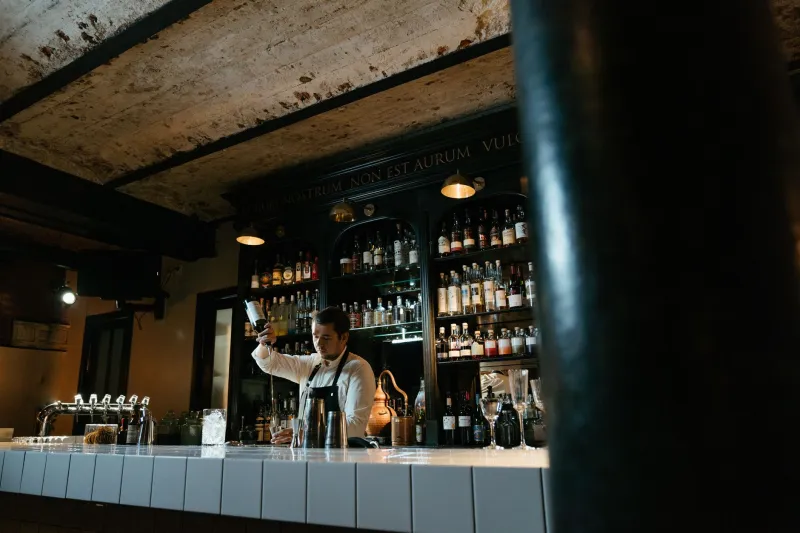
He was not qualified. He had no certificate on the wall, no framed degree, no professional body behind him. But he was available. That was the whole trick of it. The landlord stood behind the pump every night, polishing a glass that did not need polishing, and people told him things they would not tell their GP. Not because he was wise, necessarily. Because he was there, and he did not charge, and he did not write it down.
The Quiet Hour Before the Rush
The best confessions came early. Six o'clock, maybe. The after-work crowd had not yet arrived. A bloke would come in, order a pint, and say something like 'I'm knackered.' The landlord would know whether he meant work or marriage. He would not ask directly. He would pour the pint, wipe the bar, and wait. Then it would come: the redundancy, the row with the wife, the worry about the kid. The landlord would listen, nod, maybe say 'that's rough, mate' and then talk about the football for five minutes. It was not therapy in the clinical sense. It was something older and cheaper and, for a lot of people, more accessible.
A Consultation With No Waiting List
There was no referral, no six-week wait, no form asking you to rate your mood from one to ten. You did not need to be 'bad enough' to deserve help. You could just be a bit off, and the landlord would notice. He was part counsellor, part referee, part keeper of the street's secrets. He knew who was ill, who had been laid off, who was back with the ex, who was not coping. He never repeated it, except to his wife, and even then only in code. That was the deal. The bar stool was a confessional without the religion.
The Difference Between Listening and Logging In
Today we have mental health apps, online CBT, group chats and waiting lists that stretch further than the eye can see. Some of it is genuinely useful. But an app asks you to log your mood. A landlord asks 'pint?' and then 'you alright?' The difference is not just technological. It is human. The pub offered a place to unload without stigma, without an appointment, without a subscription fee. There was no data harvest. There was just a bloke who had seen you every Friday for fifteen years and could tell from the way you put your coat down that something was wrong.
Who Hears It Now?
In 2026, the local is harder to find. The landlord has gone, or the pub has become a restaurant, or the building is now flats. The street has lost its unofficial listening ear. We still need professional help, of course, and nobody should pretend a publican can replace a doctor. But we also need ordinary, unpaid, unlicensed human attention. The kind you get from someone who is not paid to care but does anyway. The bar stool confessional was never perfect. But it was there. And when it went, a lot of people lost the only place they felt they could talk.