When Glass Held Memories: The Vanished Mirrors That Made Every Pub Feel Like Home
The Silent Witnesses
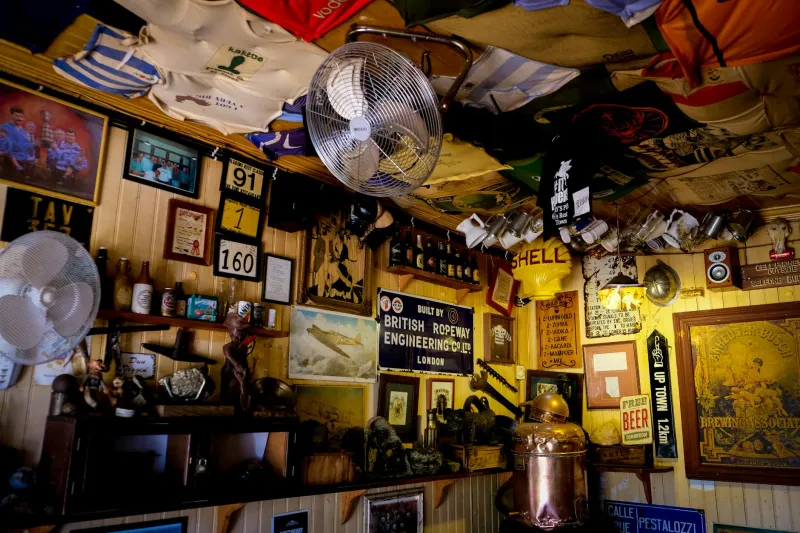
Walk into any surviving traditional pub and you'll still find them—those magnificent gilt-framed mirrors, their surfaces etched with the names of long-dead breweries and spirit merchants. Bass Pale Ale. Worthington. Martell Brandy. Names that once meant something to someone, now serving as ghostly advertisements for companies that vanished decades ago.
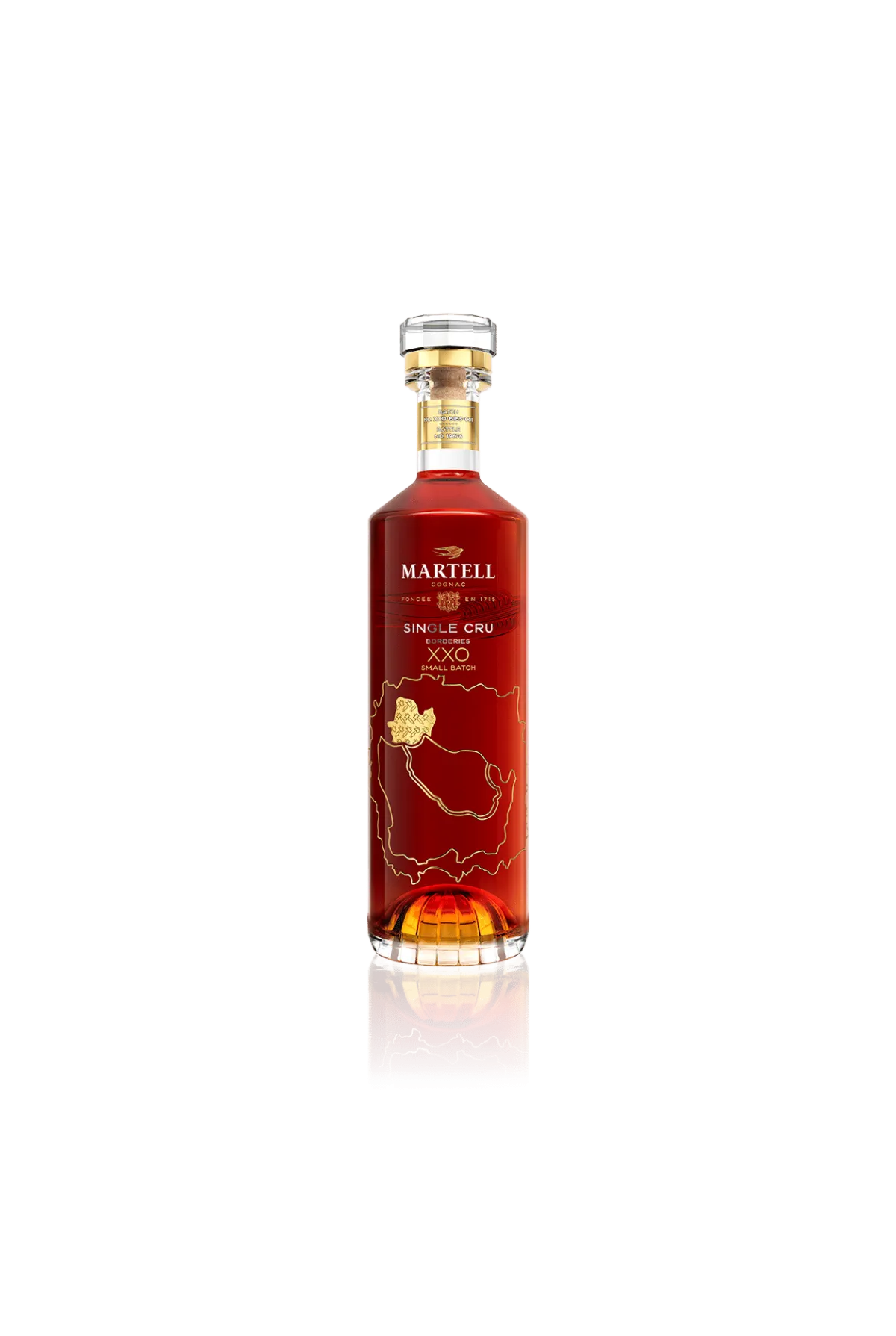 Photo: Martell Brandy, via ik.imagekit.io
But these mirrors were never really about the advertising. They were about something far more profound: they were the pub's memory bank, its silent witness to every conversation, every argument, every quiet moment of human connection that played out in front of them.
More Than Decoration
The pub mirror served functions that modern interior designers, with their exposed brick and Edison bulbs, simply don't understand. It wasn't just there to make the space look bigger or brighter. It was there to facilitate the delicate social choreography that made the British pub the greatest living room the world has ever known.
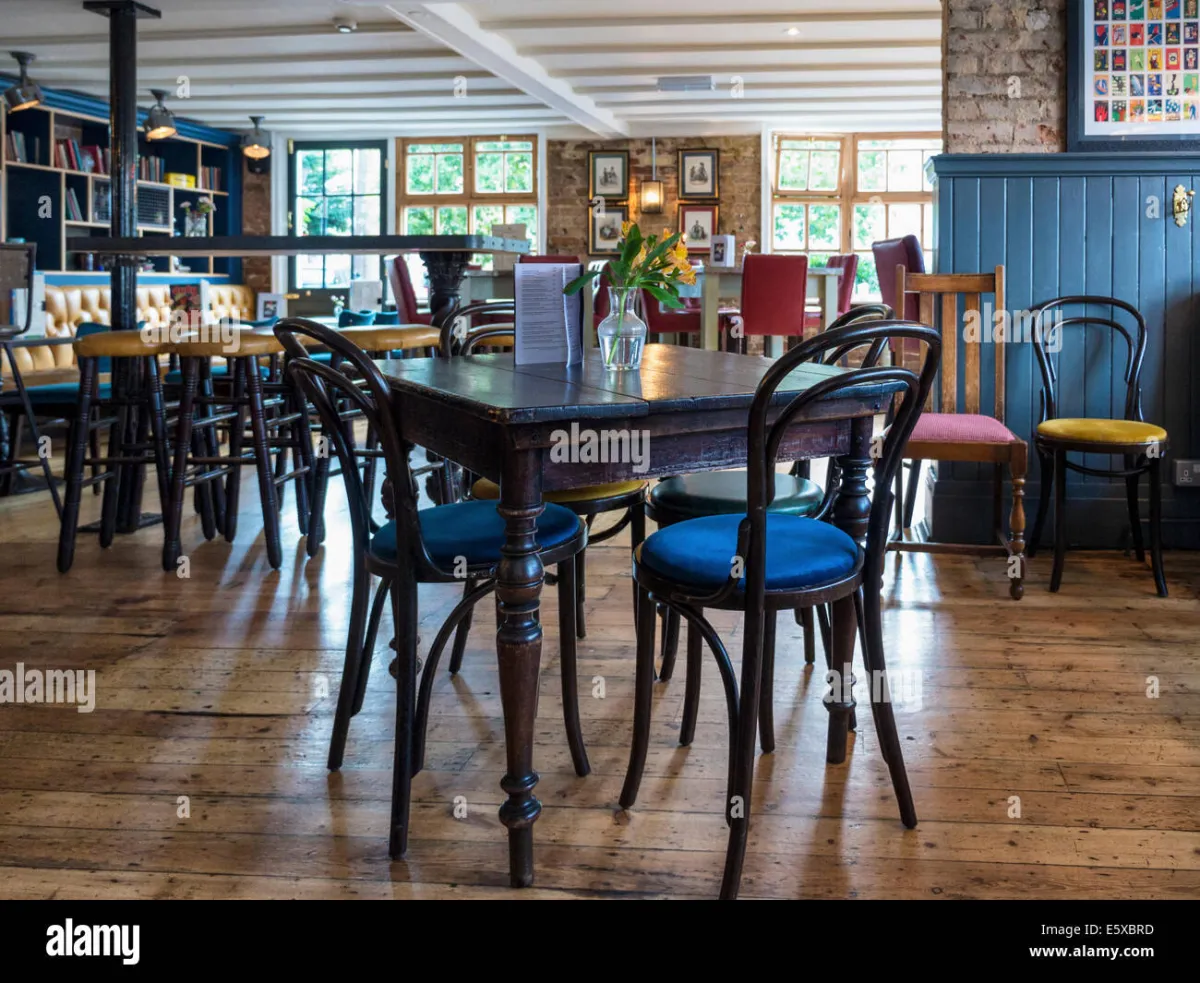 Photo: British pub, via c8.alamy.com
Catch someone's eye in the mirror across the bar, and you could acknowledge them without the commitment of a direct look. Watch the room behind you whilst nursing a pint at the bar, staying connected to the ebb and flow of conversation without having to turn around. For the lone drinker, these mirrors provided the illusion of company—you weren't drinking alone if you could see the life of the pub reflected back at you.
The regulars knew every crack, every chip, every imperfection in those mirrors. They'd watched their own faces age in that glass, seen their children grow up in its reflection, witnessed their mates' hair thin and grey over decades of Friday night sessions. These weren't just mirrors—they were family albums made of silvered glass.
The Great Stripping Away
Then came the gastropub revolution, and with it, the systematic erasure of everything that made a pub feel like somewhere rather than anywhere. Out went the mirrors, dismissed as "old-fashioned" or "cluttered." In came the minimalist aesthetic: bare walls, industrial lighting, surfaces that reflected nothing but the cold efficiency of modern design.
The irony is palpable. In an age obsessed with selfies and social media—where we're more photographed than any generation in history—we've stripped away the one place where ordinary people could see themselves as part of something larger. The pub mirror didn't just show you your face; it showed you your place in the community, your role in the ongoing story of your local.
What We Lost in the Reflection
Without those mirrors, the social dynamics of the pub fundamentally changed. Conversations became more insular, groups more closed off. The subtle art of pub observation—that uniquely British skill of watching without staring, of being aware without being intrusive—simply died.
The mirrors also served as a democratic leveller. Rich or poor, young or old, everyone looked the same in that slightly warped, smoke-stained glass. Your reflection didn't judge your clothes or your accent; it just confirmed your presence, your right to be there, your membership in the great unspoken fellowship of the British pub.
The Modern Replacement
What replaced the mirrors? Flat-screen televisions, usually tuned to rolling news or silent sports channels. Instead of reflecting the life of the pub back to its patrons, these screens broadcast the outside world into the space that was once gloriously self-contained. The gaze that once turned inward—toward neighbours, toward community—now fixed outward, toward distant events and manufactured drama.
The pub became less of a living room and more of a waiting room, somewhere to kill time whilst consuming content rather than creating conversation.
The Antique Trail
Those magnificent mirrors haven't entirely vanished—they've just been relocated. You'll find them now in antique shops and architectural salvage yards, their etched advertisements for "Finest Old Scotch Whisky" and "Celebrated Pale Ale" reduced to mere curiosities for people renovating period properties.
Collectors pay hundreds, sometimes thousands, for these pieces of pub history. But removed from their natural habitat, they become mere decoration—beautiful, certainly, but stripped of their true purpose. A pub mirror in a private dining room is like a lighthouse in a garden: impressive to look at, but fundamentally pointless.
The Rooms We've Lost
The disappearance of the pub mirror is part of a larger tragedy: the systematic dismantling of Britain's greatest social institution. Each element that gets stripped away—the mirrors, the bell for last orders, the dartboard, the regulars' table—takes with it a piece of the invisible infrastructure that held communities together.
We've traded the warm, imperfect reflection of the pub mirror for the cold precision of smartphone screens. We've swapped the gentle observation of our neighbours for the harsh surveillance of social media. We've replaced the inclusive gaze of the community looking glass with the exclusive focus of personal devices.
The pub mirror told you who you were by showing you where you belonged. In its absence, we're left staring at screens that tell us everything except the one thing that really mattered: that in this room, at this moment, surrounded by these people, you were home.