Written in Haste, Remembered Forever: The Lost Language of the Pub Door
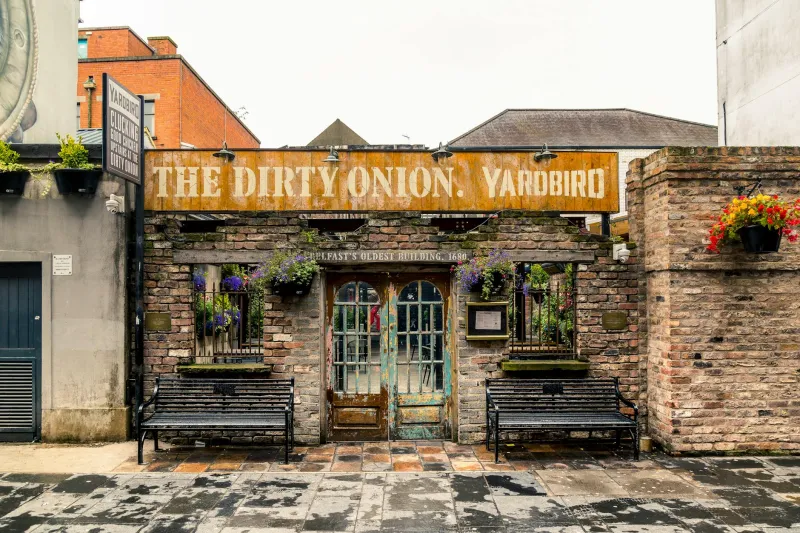
The Democracy of Biro and Sellotape
There was something beautifully egalitarian about the handwritten sign on a pub door. Whether scrawled on the back of an envelope, carefully lettered on a piece of cardboard, or hastily torn from an exercise book, these messages carried an authority that no corporate communication has ever matched. They were immediate, personal, and utterly human — the landlord speaking directly to their community without filters, focus groups, or legal departments.
'Gone fishing — back Tuesday.' 'Closed due to family bereavement.' 'Free sandwiches for England match — come in.' Each message was a small act of trust, an assumption that people would understand, would wait, would care. In an age of automated responses and customer service scripts, they represented something radical: genuine human communication.
The Honesty That Hurt
The handwritten pub door notice was Britain's last refuge of uncomfortable truth. Where else would you find such unflinching directness? 'No football colours' didn't come wrapped in corporate speak about 'maintaining a welcoming environment for all customers.' It simply said what it meant: leave your tribal allegiances at the door, this is neutral ground.
'Closed for stocktake' meant the landlord was counting every bottle and couldn't be bothered with punters getting in the way. 'Private function' meant you weren't invited, and that was that. 'Cash only — card machine broken' meant exactly what it said, without apologies or promises of swift resolution. This brutal honesty was refreshing in its simplicity, a reminder that not everything in life needed to be sugar-coated or focus-grouped into blandness.
The Art of the Immediate
What made these messages so powerful was their spontaneity. They responded to life as it happened, not as corporate planners imagined it should happen. When old Frank died on a Sunday morning, the 'Closed for bereavement' sign appeared by lunchtime, written in the landlady's shaky hand and stuck to the door with whatever tape she could find. No delay for head office approval, no carefully crafted press release — just human grief acknowledged and respected.
When the brewery delivered the wrong bitter and left them with nothing but mild, the sign simply said 'Only mild today — sorry.' No elaborate explanations, no promises to 'exceed customer expectations despite supply chain challenges.' Just an honest admission that sometimes things go wrong, and people would understand because they were neighbours, not customers.
The Community Noticeboard
The pub door was also Britain's most democratic advertising space. 'Lost cat — ginger tom, answers to Churchill' would appear overnight, written on whatever paper came to hand. 'Coalman coming Thursday — leave money with Mary behind bar' turned the landlady into an unofficial community coordinator. 'Football team needs players — see Big Dave Saturdays' transformed the pub into a recruitment office.
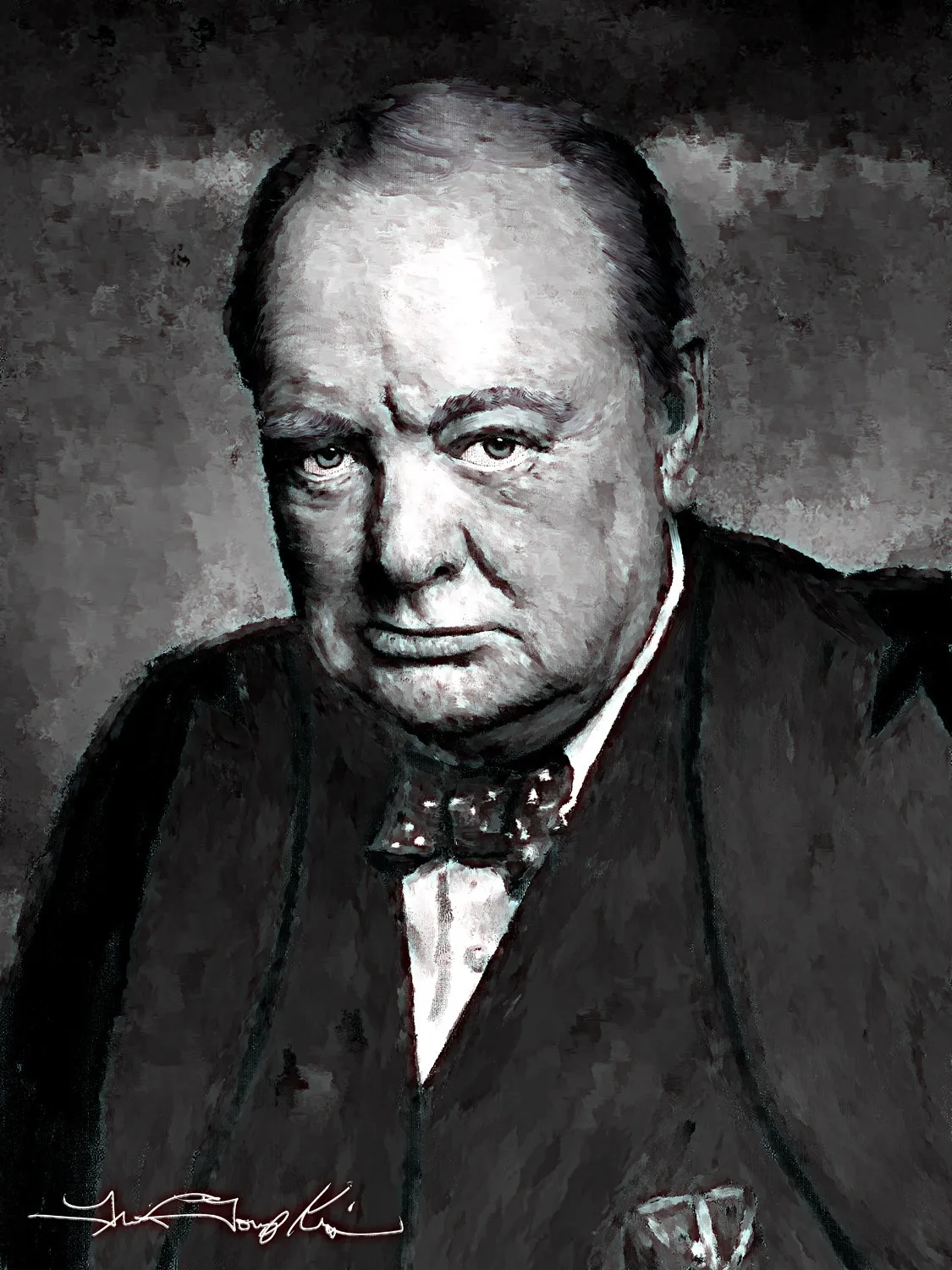 Photo: Churchill, via 64.media.tumblr.com
These weren't official announcements; they were the organic communications of a living community. The pub door became a shared space where anyone could leave a message for everyone else, united by geography and the understanding that if you drank in the same local, you probably cared about the same things.
When Handwriting Mattered
There was something irreplaceably personal about recognising the landlord's handwriting. The careful copperplate of the ex-schoolteacher turned publican, the hurried scrawl of the former factory worker, the slightly shaky letters of the couple who'd been behind the bar for forty years — each hand told a story, carried a personality, made the message unmistakably theirs.
You knew immediately who'd written what, and that knowledge added weight to the words. When stern Mrs. Henderson wrote 'Absolutely no children after 8pm,' you knew she meant it. When cheerful Tommy scribbled 'Free pork pies — help yourselves,' you knew there was probably a story behind his generosity, and you'd hear it if you asked.
The Digital Disconnect
Today's pub communications feel sanitised by comparison. The Facebook post announcing temporary closure reads like it was written by a committee, probably because it was. The Google listing update lacks soul, the Twitter announcement feels performative. Everything has been professionalised, corporatised, stripped of the beautiful imperfection that made handwritten notices so compelling.
We've gained efficiency and lost humanity. The carefully managed social media presence tells us what the pub company wants us to know, filtered through marketing departments and legal advisors. But it can't replicate the raw honesty of a hastily written note that said exactly what the landlord was thinking at that precise moment.
The Weight of Paper and Ink
Perhaps what we miss most about these handwritten messages was their permanence and impermanence combined. They were physical objects that weathered and faded, accumulating history with each day they remained stuck to the door. Yet they could disappear overnight, replaced by new circumstances, new messages, new truths.
They existed in the real world, not the digital one. You had to be there, physically present at the pub door, to receive their communication. This created a sense of shared experience — everyone who saw the message was part of the same small community, standing in the same place, reading the same words at roughly the same time.
The Last Honest Voice
The handwritten pub door notice was perhaps the last form of completely unfiltered commercial communication in Britain. No corporate oversight, no brand guidelines, no legal disclaimers — just one human being talking directly to others, assuming they'd understand because they shared the same small corner of the world.
When we lost that voice, we lost something irreplaceable: the assumption that communities could communicate honestly, directly, and with trust. The pub door stopped speaking, and Britain became a little quieter, a little less human, a little more like everywhere else.