The Ritual We Forgot
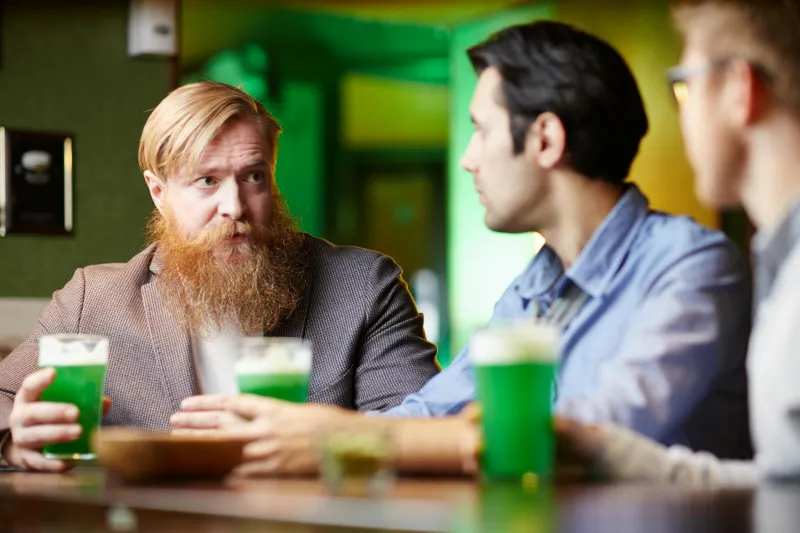
Your eighteenth birthday. Not the party, not the presents, not the Facebook notifications — but that moment when your old man finally said the words: "Right then, fancy a pint?" It wasn't a question. It was an invitation into something bigger than yourself.
The walk to the local felt different that day. You'd passed the building a thousand times, peered through its windows, heard the laughter spilling onto the pavement. But now you were walking through the front door as an equal, not a kid clutching a packet of crisps while the adults got on with the serious business of being grown up.
More Than Just a Drink
The landlord knew why you were there before you'd even opened your mouth. Word travelled fast in proper communities. "First legal one, is it?" he'd ask, already reaching for a glass. Not just any glass — often the good crystal, the ones reserved for special occasions. This was a special occasion, even if nobody made a song and dance about it.
Your dad would beam with the sort of pride that British men struggle to express any other way. The regulars would nod their approval. Old Mrs. Henderson from the post office might even buy you a packet of pork scratchings. You weren't just having a drink — you were being formally recognised by the community as one of them.
The Democracy of the Bar
What made this ritual so powerful was its inclusivity. Rich or poor, clever or simple, destined for university or already working — every eighteen-year-old got the same treatment. The pub didn't care about your A-level results or your career prospects. It cared about one thing: you were old enough to stand at the bar as an equal.
This was British democracy in its purest form. The factory owner's son and the cleaner's daughter could find themselves sharing the same moment of recognition, the same sense of belonging. The pub levelled the playing field in a way that school never could and work never would.
The Witnesses
But here's what we really lost: the witnesses. Your first legal pint wasn't a private moment or a social media post. It was a public ceremony, witnessed by people who'd known you since you were knee-high to a grasshopper. These were the same faces who'd watched you walk to school, celebrated your exam results, commiserated when your football team got knocked out of the cup.
The pub was where all generations mixed, where your story intersected with everyone else's. When you finally got served without being asked for ID, it wasn't just the landlord's approval you'd earned — it was the community's recognition that you'd made it to adulthood.
What We Replaced It With
Now? Kids celebrate their eighteenth in chain pubs where nobody knows their name, or house parties where everyone's too drunk to remember, or nightclubs where the music's too loud for conversation. They mark their passage into adulthood surrounded by strangers or peers, but never by the community that raised them.
We've replaced ritual with revelry, ceremony with chaos. The Instagram posts pile up, the likes accumulate, but something essential is missing: the sense that your community has witnessed and approved of your transition into adult life.
The Intergenerational Contract
That first legal pint was never really about the alcohol. It was about continuity, about being welcomed into an unbroken chain of community membership that stretched back generations. Your grandfather had stood at the same bar, raised his first glass, been welcomed by the same ritual. Now it was your turn.
The pub was where generations met on equal terms. Where your dad's mates became your mates, where local knowledge was passed down, where young people learned how to behave like adults by watching adults behave like adults.
The Cost of Growing Up Alone
Without that communal recognition, we've created a generation that struggles to feel properly adult. They can vote, drive, marry, fight for their country — but they've never been formally welcomed into adult society by the people who matter most: their own community.
The eighteenth birthday pint wasn't just a drink — it was a handshake between generations, a passing of the torch, a moment when the community said: "You're one of us now." In losing that ritual, we didn't just lose a tradition. We lost a way of making young people feel like they truly belonged somewhere.
The Empty Glass
There's something heartbreaking about watching eighteen-year-olds celebrate their birthdays in spaces that don't know their stories, surrounded by people who don't know their names. They're marking the most important transition of their lives with strangers, in places that care more about their money than their milestones.
The pub landlord who pulled that first pint wasn't just serving alcohol — he was serving belonging. And in a world where young people report feeling lonelier than ever, perhaps that's exactly what we need to serve them again.