The Keeper of Secrets: How We Lost Britain's Most Trusted Confidant
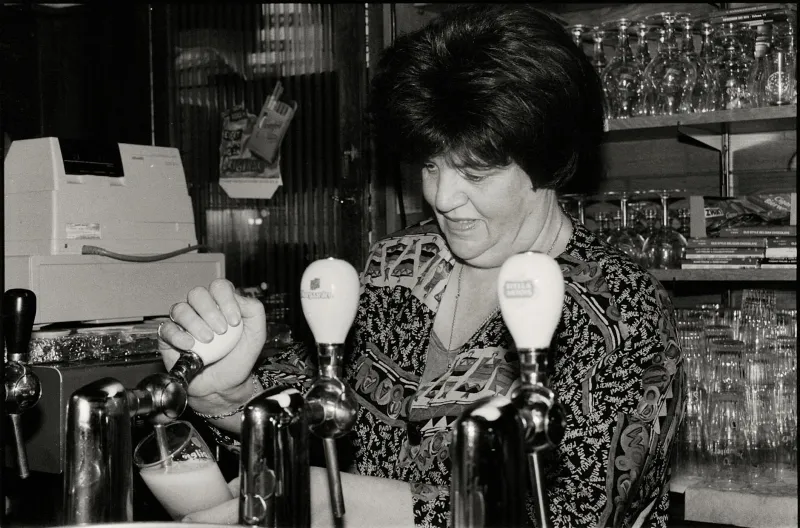
The Confessor Behind the Bar
There was a time when the most qualified therapist in any British town didn't have letters after their name or a consulting room with soft lighting. They had a tea towel slung over their shoulder, thirty years of pulling pints, and an uncanny ability to know exactly when someone needed to talk.
The long-serving pub landlord was Britain's unofficial counsellor, a role that evolved naturally from decades spent watching the same faces navigate life's ups and downs. They knew which regular's marriage was wobbling before the couple did themselves. They could spot trouble brewing in a young lad's eyes three pints before it kicked off. Most importantly, they understood that sometimes the most profound conversations happened not in scheduled appointments, but in the space between ordering a drink and finding somewhere to sit.
The University of Human Nature
What made these publicans so effective wasn't formal training — it was time. Proper time. Twenty, thirty, sometimes forty years behind the same bar, watching the same families grow up, fall apart, and piece themselves back together. They witnessed first dates that became golden anniversaries and golden anniversaries that crumbled into bitter divorces. They saw teenagers become parents, parents become grandparents, and grandparents slip quietly away.
This wasn't voyeurism — it was institutional memory made flesh. The landlord who'd served your father knew exactly why you had that particular look in your eye when you ordered your third pint on a Tuesday afternoon. They'd seen it before, in this very room, probably at this very bar. That kind of wisdom can't be downloaded or franchised. It has to be earned, one conversation at a time.
The Art of Listening Without Judging
The great pub landlords possessed a skill that seems almost extinct now: the ability to listen without offering solutions. They understood that most people who spilled their troubles over a pint weren't looking for answers — they were looking for witness. Someone who'd nod at the right moments, refill the glass without being asked, and never, ever repeat what they'd heard.
It was an unspoken contract, this relationship between confessor and confessed. The landlord provided the space and the silence; the punter provided the honesty that comes with knowing you're talking to someone who's heard it all before. No judgment, no invoice at the end of the session, no awkward small talk the following week. Just the quiet understanding that some burdens are lighter when shared.
When Tenancies Became Turnover
Today's pub industry has turned this ancient wisdom into a casualty of commercial efficiency. Corporate pub companies shuffle tenants like playing cards, prioritising profit margins over personal relationships. The modern publican might be excellently trained in health and safety protocols, but they're gone before they've learned which regular drinks bitter to forget his late wife, or which couple always argues about money when the gas bill arrives.
The institutional knowledge that once made British pubs the beating heart of their communities now expires with each short-term lease. We've replaced the wise old owl behind the bar with a succession of well-meaning strangers, each starting from scratch, each leaving just as they begin to understand the subtle dynamics of their inherited flock.
The Therapy We Didn't Know We Were Getting
Perhaps we didn't appreciate what we had because it never announced itself. The landlord-as-counsellor operated without fanfare, without recognition, without even acknowledgment of the role they played. They simply existed, a constant presence in an inconstant world, offering stability through their very permanence.
Now we book appointments to discuss our feelings, pay professionals to listen to our problems, and wonder why mental health has become such a crisis. We've medicalised what was once naturally human — the simple act of being heard by someone who knows your story, who's seen your struggles before, and who'll still serve you a pint tomorrow regardless of what you confessed today.
The Irreplaceable Loss
You can't replicate this in a group chat or a wellness app. The landlord's unique power came from their physical presence in a physical space that belonged, in some indefinable way, to everyone who used it. They were neutral territory made human, Switzerland with a bitter pump and a ready ear.
When we lost these keeper of secrets, we lost more than experienced publicans. We lost Britain's most democratic form of pastoral care — therapy that was available to anyone with the price of a drink and the courage to speak their truth. We replaced it with nothing, and called it progress.
The pub was always more than a business. It was Britain's living room, and every living room needs someone who knows where everything belongs. We just forgot that the most important thing they kept in order wasn't the bottles behind the bar — it was the hearts in front of it.