When a Pint Pot Passed Round Could Change Everything: The Death of the Pub Whip-Round
The Economics of Emptying Your Pockets
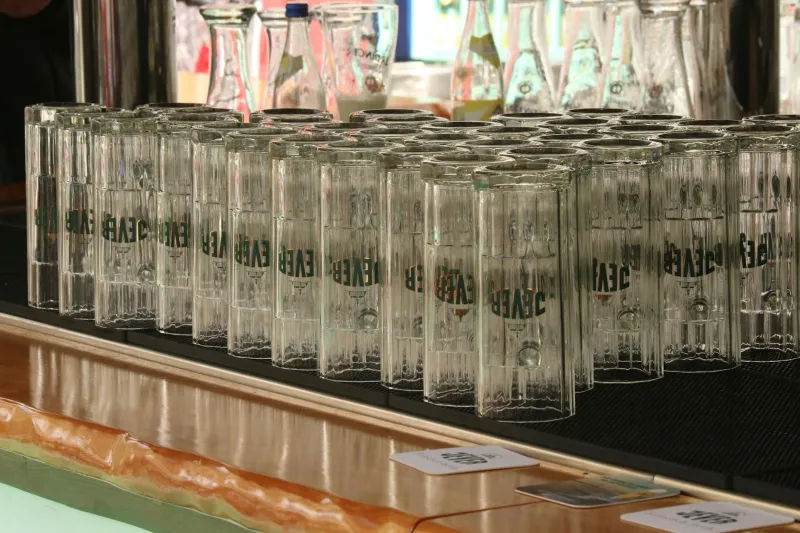
Somebody would stand up, clear their throat, and the entire pub would know what was coming. "Right, listen up everyone. You all know young Sarah's dad, works down at the factory..." The story would be brief, factual, and devastating. House fire. Sudden illness. Redundancy with Christmas coming. Whatever it was, the solution was always the same: an empty pint glass making its way around the room like a collection plate in a church that worshipped human decency.
This wasn't charity in the modern sense — all paperwork and tax relief and administrative overheads. This was something rawer and more immediate: neighbours looking after neighbours because the alternative was unthinkable. The glass would start its journey heavy with silver and emerge twenty minutes later stuffed with notes, the kind of money that could make a real difference to real people in real time.
The Unspoken Rules of the Round
Every pub collection operated according to an invisible constitution that nobody had written down but everybody understood. You didn't ask questions about how much people put in. You didn't make a show of your generosity or apologise for your contribution. If you were skint, you passed it on with a nod. If you were flush, you folded a tenner and dropped it in without ceremony.
The beauty was in the anonymity. Nobody kept track of who gave what, which meant nobody had to perform their compassion for an audience. The bloke who put in fifty quid wasn't looking for recognition, and the woman who could only manage fifty pence wasn't made to feel inadequate. The glass was democratic in a way that modern fundraising platforms, with their public donor lists and social media integration, could never be.
Stories That Moved Mountains
The speed of these collections was legendary. When the Hendersons' house flooded, the pub raised enough in one evening to replace their furniture. When little Tommy needed a wheelchair, the locals had it sorted before the NHS had even processed the paperwork. When old Frank's wife died and he couldn't afford the funeral she'd wanted, the collection plate went round three different pubs until they'd raised enough for the full service with flowers.
These weren't isolated acts of kindness — they were the social infrastructure of working-class Britain. Every local had stories of collections that had changed lives, and every regular had both given to and benefited from the system at some point. It was insurance without premiums, social security without bureaucracy, community care without committees.
The Landlord's Ledger
Behind every successful pub collection was a landlord or landlady who understood their role as more than just a seller of beer. They'd know which customers were struggling before the customers knew it themselves. They'd spot the signs — the man who'd switched from pints to halves, the woman who'd stopped coming in for her usual Friday night, the family who'd started making one drink last all evening.
The best publicans were part banker, part social worker, part community organiser. They'd seed collections with their own money, provide the venue for handovers, and sometimes even top up the total from the till when nobody was looking. This wasn't business — it was vocation. The pub wasn't just their livelihood; it was their responsibility.
The Mathematics of Trust
What made the pub collection work wasn't just generosity — it was proximity. These weren't abstract beneficiaries in a far-off place; they were people you saw every week, whose kids went to school with your kids, whose problems could easily become your problems. The money wasn't disappearing into administrative costs or executive salaries; it was going directly from your pocket to your neighbour's crisis.
The system worked because everybody understood the reciprocity. Today's donor was tomorrow's recipient. The bloke buying rounds tonight might need help with his mortgage next month. The woman organising this week's collection might be the one needing help next year. It wasn't charity; it was mutual aid with a pint chaser.
Digital Displacement
Today's crowdfunding platforms promise to democratise giving, to make fundraising more efficient and transparent. But efficiency isn't everything, and transparency can be overrated. When someone sets up a GoFundMe page for their medical bills, they're performing their vulnerability for strangers on the internet. When the pub collection went round, you were asking your community for help, and your community was responding because you belonged to each other.
The modern alternatives require smartphones, bank accounts, social media literacy, and the ability to tell your story in a way that goes viral. The pub collection required nothing except the ability to walk into your local and be recognised as someone who belonged there. It was inclusive in a way that digital fundraising, for all its global reach, could never be.
The Last Orders for Solidarity
Walk into a surviving local today and try to imagine a collection happening. The regulars are older, fewer, and more scattered across the week rather than concentrated on the weekend. The landlord probably doesn't know their personal circumstances because he's too busy managing the gastropub menu and the craft beer selection. The sense of shared fate that made the collections work has been replaced by individual responsibility and professional services.
We've gained privacy and lost intimacy. We've gained efficiency and lost immediacy. We've gained global reach and lost local touch. The pub collection wasn't perfect — it probably helped some people more than others, and it definitely operated according to unspoken hierarchies and prejudices. But it was there, every time someone needed it, turning loose change into lifelines and strangers into family.
The empty pint glass making its way around the bar wasn't just raising money — it was raising the possibility that we might actually look after each other. When that glass stopped circulating, something fundamental about British community went with it.