The Sheet That Made Champions: How Pub League Fixtures Were Britain's Most Important Publishing
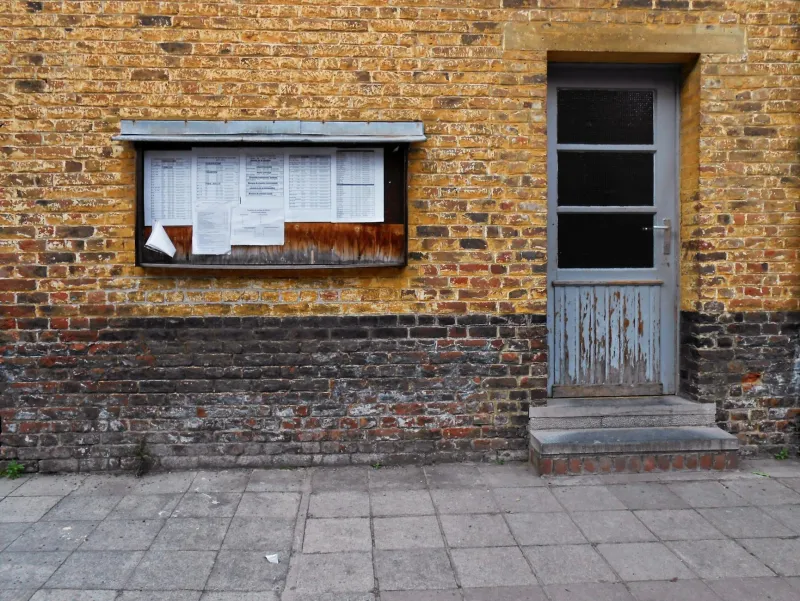
The Editor Nobody Elected
Every Wednesday evening at The Anchor, Derek Millfield would arrive with his clipboard, fresh sheets of paper, and a collection of biros that had seen better decades. As secretary of the Eastside Darts League, Derek was arguably the most important publisher in a three-mile radius — though he'd have laughed at the suggestion.
 Photo: Eastside Darts League, via www.target-darts.co.uk
The fixture sheet he pinned beside the bar each week was more than just a schedule of upcoming matches. It was a serial narrative that kept forty-eight men and the occasional woman emotionally invested in a story that unfolded one game at a time, week after week, from September through to May. Better than any soap opera, more gripping than any newspaper serial, because everyone reading it had a part to play.
"Week 14: The Crown vs The Railway Arms, 8pm Thursday. Current league position: Crown (3rd), Railway (7th). Last meeting: Crown won 6-3, controversial finish when Big Jim's dart bounced out." Derek's handwriting was cramped but legible, his match reports brief but loaded with significance for those who understood the subtext.
The Stories Between the Lines
To the uninitiated, the fixture sheet was just names, dates, and numbers. But regulars could read it like scripture, parsing meaning from every entry. "The George (2nd) vs The King's Head (1st)" wasn't just a match listing — it was the promise of a grudge match between Tony Fletcher's young guns and the established champions, a David and Goliath story played out in tungsten and sisal.
Derek's marginal notes became the stuff of legend. "Postponed — flu outbreak at The Wheatsheaf" told the story of an entire pub laid low by whatever was going round. "Rescheduled due to wedding" revealed that someone's nuptials had taken precedence over league commitments — a decision that would be debated for weeks.
The league table, updated religiously after each match, tracked more than just points. It measured pride, rivalry, and the slow-burning satisfaction of a season's worth of Tuesday and Thursday nights. When The Rose & Crown climbed from eighth to third over six weeks in winter 1994, it wasn't just sporting success — it was neighbourhood redemption, proof that the new landlord's investment in proper tungsten darts and decent lighting was paying dividends.
 Photo: The Rose & Crown, via st2.depositphotos.com
The Democracy of Competition
What made the pub league fixture sheet so powerful was its radical democracy. This wasn't professional sport with its celebrity players and corporate sponsors. This was your neighbour Steve, who drove the number 47 bus, taking on your mate Dave from the garage, with bragging rights and a few quid in prize money at stake.
The fixture sheet treated every player with equal importance. Factory foreman or unemployed, retired teacher or teenage apprentice — everyone got the same two-line entry, their victories and defeats recorded with identical weight. When young Martin from The Three Bells hit his first 180, Derek noted it with the same careful handwriting he used for seasoned champions.
The beauty lay in its localness. These weren't distant heroes performing in far-off stadiums. These were people you saw at the shops, whose kids went to the same school as yours, who shared the same bus stop on Monday mornings. When they won, the whole pub won. When they lost, everyone felt it.
The Weekly Pilgrimage
Every Thursday, the same ritual. Men would finish their pints, check the fixture sheet one more time, and begin the short pilgrimage to whichever pub was hosting that week's match. The away team would arrive in a convoy of cars and bikes, carrying their own darts in worn leather cases, their supporters clutching pints and cigarettes.
The host pub would prepare like a venue staging a cup final. Fresh chalk for the scoreboard, the oche measured and marked, bar towels draped over the beer pumps to prevent distractions. The fixture sheet would be consulted repeatedly, as if the handwritten details might reveal some tactical advantage not spotted before.
Derek would arrive with his clipboard and measuring tape, checking the board height and throwing distance with the precision of a surveyor. His role had evolved from simple secretary to unofficial referee, diplomat, and keeper of the league's unwritten laws. When disputes arose — and they always did — Derek's word was final, his decision recorded in the same careful handwriting for posterity.
The Archive of Ordinary Glory
By season's end, Derek's fixture sheets formed an accidental archive of community life. Thirty weeks of matches, results, and marginal notes that told the story of eight pubs and their people better than any local newspaper ever could. The cancelled matches revealed personal crises, the rescheduled games showed community priorities, the final league table captured a year's worth of small triumphs and bitter disappointments.
The Rose & Crown's championship win in 1991 was recorded in Derek's meticulous hand: "Final: Rose 6, Railway 4. Winning double from Tony Fletcher (outer bull). Championship decided on legs difference." Beneath the dry statistics lay a story of redemption — Tony's return from a two-year absence following his divorce, his slow climb back up the league table, the final match that saw him sink the winning double while his ex-wife's new boyfriend watched from the Railway Arms team.
These weren't stories that made the local paper, but they were the stories that mattered to the people who lived them. The fixture sheet was hyperlocal journalism in its purest form — reporting that assumed its readers cared about the subjects because they were part of the same community, the same extended family that gathered every week around the same scratched dartboards.
When the Last Sheet Came Down
The Eastside Darts League folded in 2003, a victim of pub closures, changing demographics, and the simple fact that people had found other ways to spend their evenings. Derek kept the fixture sheets in a cardboard box under his stairs — forty-two seasons of community history that no museum would want, no archive would preserve.
When The Anchor was demolished in 2018, Derek donated the box to the local history society. The volunteer who catalogued them couldn't understand their significance. "Just old sports results," she noted in the accession register, missing entirely the fact that these yellowing sheets had once been the most eagerly read publication in the neighbourhood.
The modern equivalent might be a WhatsApp group or a Facebook page, but it's not the same. Digital updates lack the physical weight of Derek's fixture sheets, the ceremonial importance of the weekly pilgrimage to read the latest installment. You can't gather round a phone screen in the same way you could gather round that piece of paper pinned beside the bar.
The pub league fixture sheet was more than just sports administration — it was community publishing in its most essential form. It created stories that mattered to everyone and no one, heroes who were famous only within a three-mile radius, legends that lived only in the memory of people who understood why a 180 hit on a wet Tuesday in November was worth recording for posterity.
When the sheets came down, we didn't just lose a sporting competition. We lost a form of storytelling that made ordinary people feel extraordinary, if only for the length of time it took to throw three darts and check the fixture list for next week's match.