The Raffle Queen: How Every Pub's Uncrowned Monarch Held the Community Together
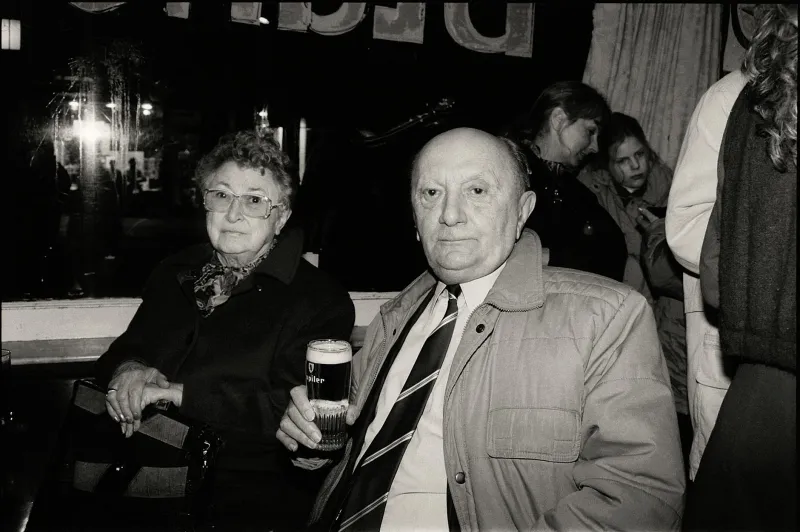
The Unelected Parliament of the Pub
You knew her the moment you walked into any British local worth its salt. She'd be stationed at her corner table, a fortress of raffle books, biscuit tins full of loose change, and an exercise book where she tracked every ticket sold like it was the Domesday Book. The Raffle Queen wasn't her official title — she probably went by Maureen or Dot or Pauline — but everyone understood the hierarchy. The landlord might own the premises, but she owned Saturday night.
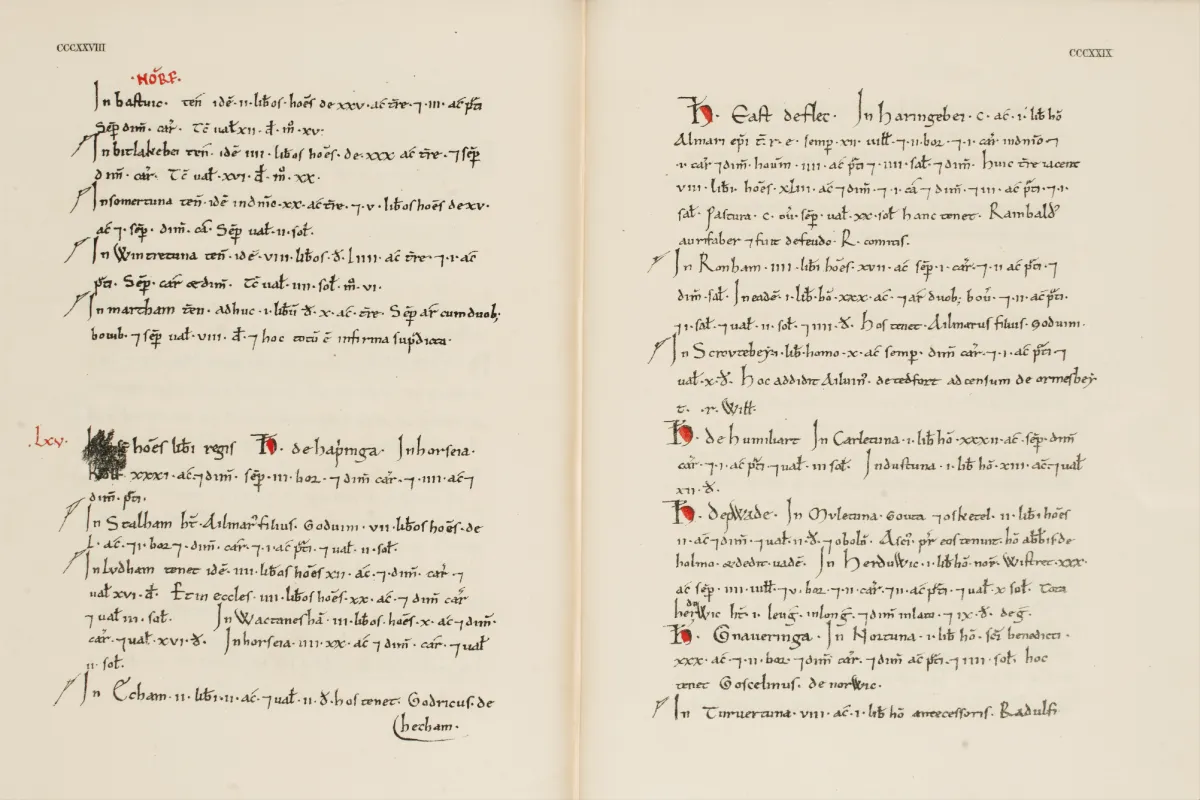 Photo: Domesday Book, via opendomesday.org
These weren't professional fundraisers or trained volunteers. They were ordinary women who'd somehow appointed themselves to an extraordinary responsibility: keeping an entire neighbourhood afloat through the simple act of selling numbered tickets for a quid each. Week after week, year after year, they'd work the room with the persistence of a door-to-door politician and the warmth of everyone's favourite aunt.
The Science of Knowing Who Needed What
Watch a Raffle Queen in action and you'd witness something approaching magic. She'd know that old Mr Thompson hadn't been eating properly since his wife died, so somehow the hamper would find its way to his ticket number. The single mum struggling with the electric bill would mysteriously win the cash prize. The teenager saving for driving lessons would walk away with the bottle of whisky that his dad would gratefully convert into beer money.
This wasn't corruption — it was community care with the rough edges left on. These women had developed an intelligence network that would make MI5 weep with envy. They knew who'd been made redundant before the redundancy was announced. They knew which marriages were wobbling and which kids needed a bit of encouragement. The raffle wasn't random; it was redistribution with a human face.
The Ritual of Saturday Night
"Right then, ladies and gentlemen, if I could have your attention please..." The words would cut through the Saturday evening chatter like a bell calling the faithful to prayer. Conversations would pause, dominoes would be set aside, and the entire pub would turn towards the woman with the biscuit tin and the authority that came from nowhere except the simple fact that she'd shown up, week after week, to make things work.
The draw itself was theatre. The dramatic shake of the container, the theatrical pause before the winning number was announced, the collective groan or cheer depending on whether the winner was popular or had been getting too big for their boots lately. But the real performance was what came after: watching the Raffle Queen work out, in real time, how to make the evening's haul stretch to cover whoever needed covering.
The Invisible Infrastructure of Care
Behind every successful Raffle Queen was an invisible network of suppliers, donors, and co-conspirators that would make Amazon's logistics look amateur. The butcher would donate the Sunday joint, the off-licence would contribute a bottle or two, and somehow there'd always be enough prizes to keep the show going. Local businesses weren't being charitable — they were investing in a system that kept their customers' heads above water.
This was social security before social security, a welfare state that ran on goodwill and operated out of a carrier bag under a pub table. No forms to fill, no means testing, no waiting periods. Just human beings looking after human beings because that's what you did when you shared the same four walls every weekend.
Why the Apps Never Came Close
Today's community organisers love to talk about "grassroots engagement" and "local empowerment," but they're building systems where the Raffle Queens already built relationships. You can't replicate institutional knowledge with a smartphone app. You can't crowd-source the ability to read a room, to know when someone's putting on a brave face, to understand that sometimes the person who needs help most is the one who'd never ask for it.
The modern alternatives — online giving circles, neighbourhood WhatsApp groups, community Facebook pages — they're all missing the crucial ingredient that made the pub raffle work: presence. The Raffle Queen wasn't managing a network; she was living in a community. She didn't need to friend request you to know your business, and she didn't need your bank details to help you out.
The Last of the Line
Walk into the surviving locals today and you might still find her, though she's probably pushing eighty and wondering who's going to take over when she can't manage the heavy lifting anymore. The answer, more often than not, is nobody. The generation that understood this kind of informal leadership is dying out, and the generation replacing them has been taught to professionalise everything, to turn every act of neighbourliness into a registered charity with a safeguarding policy.
We've gained efficiency and lost effectiveness. We've gained transparency and lost trust. We've gained digital reach and lost human touch. The Raffle Queen wasn't perfect — she was probably judgmental, occasionally played favourites, and definitely wasn't trained in modern best practices. But she was there, every week, making sure that nobody fell through the cracks while the rest of us were getting on with our lives.
The pub was Britain's living room, but the Raffle Queen was its beating heart. When she finally puts down that biscuit tin for the last time, something irreplaceable goes with her.