When Six O'Clock Brought Everyone Together: The Lost Democracy of the British Pub's Rush Hour
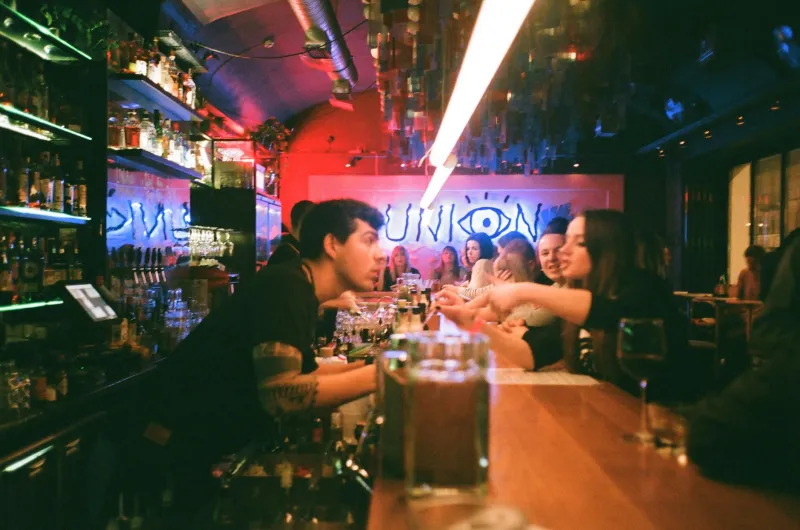
The Accidental Democracy
There was a brief, golden hour in British pubs that nobody planned but everybody experienced. Between half-past five and seven o'clock, something remarkable happened without fanfare or intention: Britain's social classes mixed in ways that would make community activists weep with envy. The factory worker finishing his shift stood next to the office manager starting her Friday night, while the pensioner nursing his half-pint shared the bar with young couples planning their evening ahead.
Nobody thought this was remarkable because it happened every single day. The pub, in those precious ninety minutes, became Britain's most successful integration project — and we achieved it entirely by accident.
The Beautiful Chaos of Shift Change
Picture it: the 5:30 rush at The Crown, The Red Lion, The George — any proper local worth its salt. Through the door would come the day-shift brigade, still in their work clothes, paint-spattered or dust-covered, seeking that first pint that marked the official end of labour. They'd claim their spots at the bar with the confidence of ownership, because in many ways, they owned this time and this space.
 Photo: The Red Lion, via www.revisionstuerenshop24.de
 Photo: The Crown, via people.com
But they weren't alone. The office crowd would start trickling in around six, loosening ties and shrugging off jackets, transforming from their professional selves into something more human. And there, already settled in the corner, would be the regulars — the retired men who'd been there since four, making a half-pint last an hour, reading the paper with the dedication of scholars.
The genius was that nobody had to try to get along. The pub's rhythm did the work for them.
The Unspoken Etiquette of Shared Space
What made this mixing possible wasn't some grand social experiment — it was the pub's unwritten constitution of mutual respect. The builder covered in cement dust knew not to lean against the office worker's clean suit. The young couple kept their romantic whispers to themselves while the old-timers discussed the day's racing results. Everyone understood their role in this temporary democracy.
The bar staff were the conductors of this orchestra, reading the room with skills that no management course could teach. They knew that the factory lads needed serving quickly — they had homes to get to, families waiting. They understood that the office crowd wanted to decompress, to transition from work-mode to weekend-mode over the course of two or three drinks. They recognised that the pensioners needed the company more than the alcohol, and they provided both with equal grace.
The Great Segregation
Somewhere along the way, we decided this mixing was inefficient. Market research told us that different demographics wanted different experiences. The craft beer crowd needed exposed brick and reclaimed wood. The wine drinkers required proper glassware and ambient lighting. The sports fans demanded multiple screens and branded furniture.
So we segmented. We created wine bars for the office workers, sports bars for the lads, gastropubs for the families, craft beer houses for the connoisseurs. Each demographic got exactly what market research said they wanted. And in doing so, we lost the one thing nobody knew they needed: the chance to share space with people unlike themselves.
The Death of Accidental Encounters
Modern Britain has plenty of places where different social groups mix — but they're all intentional. Community centres with their organised activities. Charity events with their worthy causes. School parents' evenings with their shared obligations. But intentional mixing is different from accidental mixing. It comes with agendas and expectations and the slight awkwardness of trying too hard.
The pub's 6 o'clock rush was different. Nobody was there to meet people unlike themselves — they were just there for a drink. The mixing happened as a byproduct, which made it natural, unforced, real. The builder and the banker weren't networking or community-building — they were just two blokes at the same bar, occasionally commenting on the football scores or the weather, building the tiny threads of social connection that hold communities together.
What We Lost in Translation
The themed venues that replaced the traditional local certainly serve their target audiences better. The craft beer house knows exactly what its customers want. The wine bar delivers precisely the ambiance its clientele expects. The sports bar provides the perfect environment for watching the match.
But efficiency isn't everything. Those old-fashioned pubs, with their mixed crowds and their unpredictable conversations, taught us things we didn't know we were learning. They showed us that the scaffolder and the solicitor might actually support the same football team. That the pensioner with his half-pint might have fascinating stories about the town's history. That the young couple on their first date were once just as nervous as you were.
The Rhythm of Real Community
The 6 o'clock rush had a rhythm that modern venues can't replicate. It started quiet — just the day-shift regulars settling in with their first pints. Then the energy would build as the office crowd arrived, bringing their weekend anticipation. The pensioners would watch this transformation with the amused tolerance of those who'd seen it all before. By seven o'clock, the early crowd would start dispersing — some heading home for dinner, others moving on to restaurants or other venues — leaving space for the night shift to begin.
This natural ebb and flow meant everyone got their time, their moment to feel ownership of the space. The pub adapted to its customers rather than forcing customers to adapt to it. It was democracy in action, played out in pints and half-pints, in shared glances at the television and overheard conversations about the day's events.
The Community We Didn't Know We Had
Looking back, those mixed crowds created something precious: a sense that your local community was bigger and more diverse than your immediate social circle. The pub regular who you knew only by face and first name might be a retired teacher, a current plumber, a part-time student. You didn't need to know their life stories, but their presence in your local expanded your sense of who belonged in your world.
This casual familiarity with difference made Britain more tolerant, more understanding, more genuinely integrated than any policy initiative could achieve. It happened one pint at a time, one shared joke about the weather at a time, one nod of recognition at a time.
The Silence of Segregation
Today's targeted venues are more comfortable, more efficient, more precisely calibrated to their audiences' needs. But they're also quieter about the things that matter most. They don't teach us about the lives of people unlike ourselves. They don't challenge our assumptions about who drinks what or supports which team. They don't create those tiny moments of unexpected connection that remind us we're all just people trying to get through the day.
The 6 o'clock rush is gone, replaced by the efficiency of market segmentation. We've gained venues that serve us better as consumers. We've lost the space that served us best as citizens.
And Britain is quieter, more divided, more suspicious of difference as a result. The pub once mixed us without trying. Now we're trying to mix without succeeding. The difference, it turns out, is everything.